Choose evidence of patient understanding
Choose a patient information animation studio by asking it to demonstrate how it checks clinical meaning, explains unfamiliar terms and tests the finished explanation with its intended audience. Compare those responsibilities and the delivery package before comparing visual style. A short paid pilot can reveal whether the supplier understands your patient group and can act on specific feedback.
For a hospital communications team, the purchase is a usable explanation for a defined setting: a phone before an appointment, a consultation screen or a patient portal. An impressive molecular showreel does not establish that fit. Start with one message patients should understand, identify who approves it and agree how you will find out whether the message survived production.
Write the patient task before the brief
Define the audience more narrowly than 'patients'. An adult seeing a heart-valve explanation for the first time brings different knowledge from a parent preparing a child for an examination. Record the viewing language, setting, likely device and whether a clinician will be present. Ask your patient involvement team which circumstances are easily overlooked.
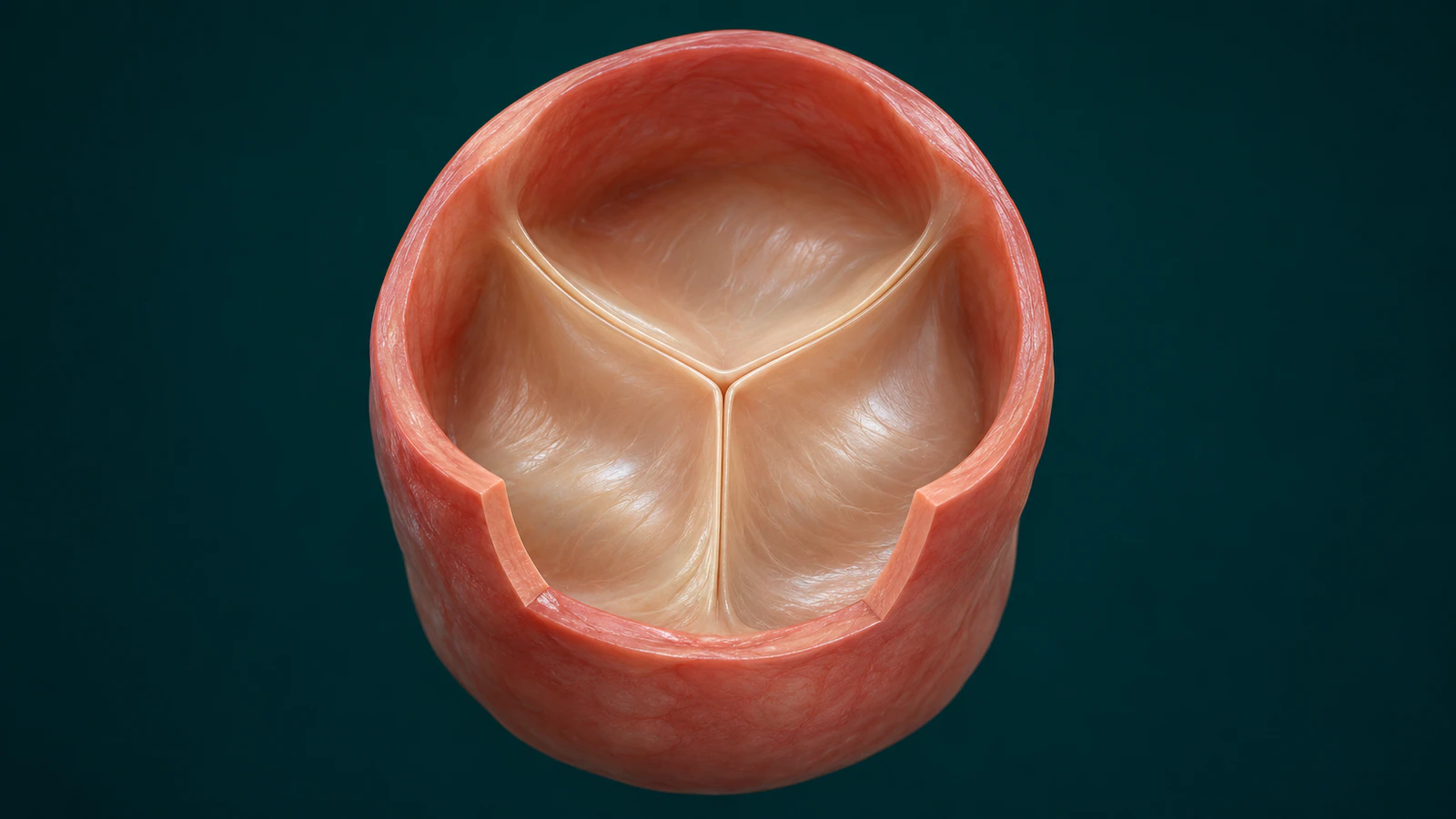
Write an observable communication goal. For the example in this guide, the viewer should be able to explain that a valve opens to let blood pass and closes to limit backward flow. The film does not recommend treatment, interpret a scan or explain every valve disorder. Those exclusions keep the pilot small enough to judge.
Give every shortlisted supplier the same source pack and goal. Include approved terminology, references, an existing patient leaflet if available, the clinical owner and the exact destination. Describe which questions the film should prompt during a consultation. Avoid sending identifiable patient material when an approved generic example will serve the task.
Compare the production routes
A specialist studio is useful when you need someone to coordinate writing, animation, voice production and multiple review groups. Ask which of those services the proposal actually includes. Nucleus describes staged script, storyboard and animatic reviews; an animatic is a timed rough version that exposes pacing before final rendering.
An existing licensed film can be sufficient when it accurately answers the question, fits the audience and permits your intended distribution. A simple illustrated sequence may explain a service pathway more clearly than detailed 3D anatomy. Use the 2D versus 3D buyer guide when the main uncertainty is visual format.
| Route | Useful when | Responsibility to confirm |
|---|---|---|
| License an existing patient film | The message and language already fit | Permitted channels, current clinical content and adaptation rights |
| Commission a specialist studio | You need coordinated production and audience-specific writing | Named clinical review, patient testing, accessibility and revisions |
| Build an editable scientific scene | Your team can own the script, review and publication | Who turns the scene into the complete patient information package |
| Use simple illustrations or live action | The task concerns people, preparation or service navigation | Whether spatial anatomy is needed at all |
Ask for the review trail
Request one relevant example and ask the supplier to walk through a difficult correction. Who spotted the problem? Which version changed? How did the team confirm the revised narration still matched the picture? A traceable answer is more useful than an unsupported assurance that every film is medically accurate.
Separate three approvals: factual and clinical meaning, audience comprehension, and the final delivered files. A clinician can approve the anatomy while a patient reviewer still misunderstands the message. A producer can export a clean video while the portal displays captions incorrectly. Assign an owner to each approval before work begins.
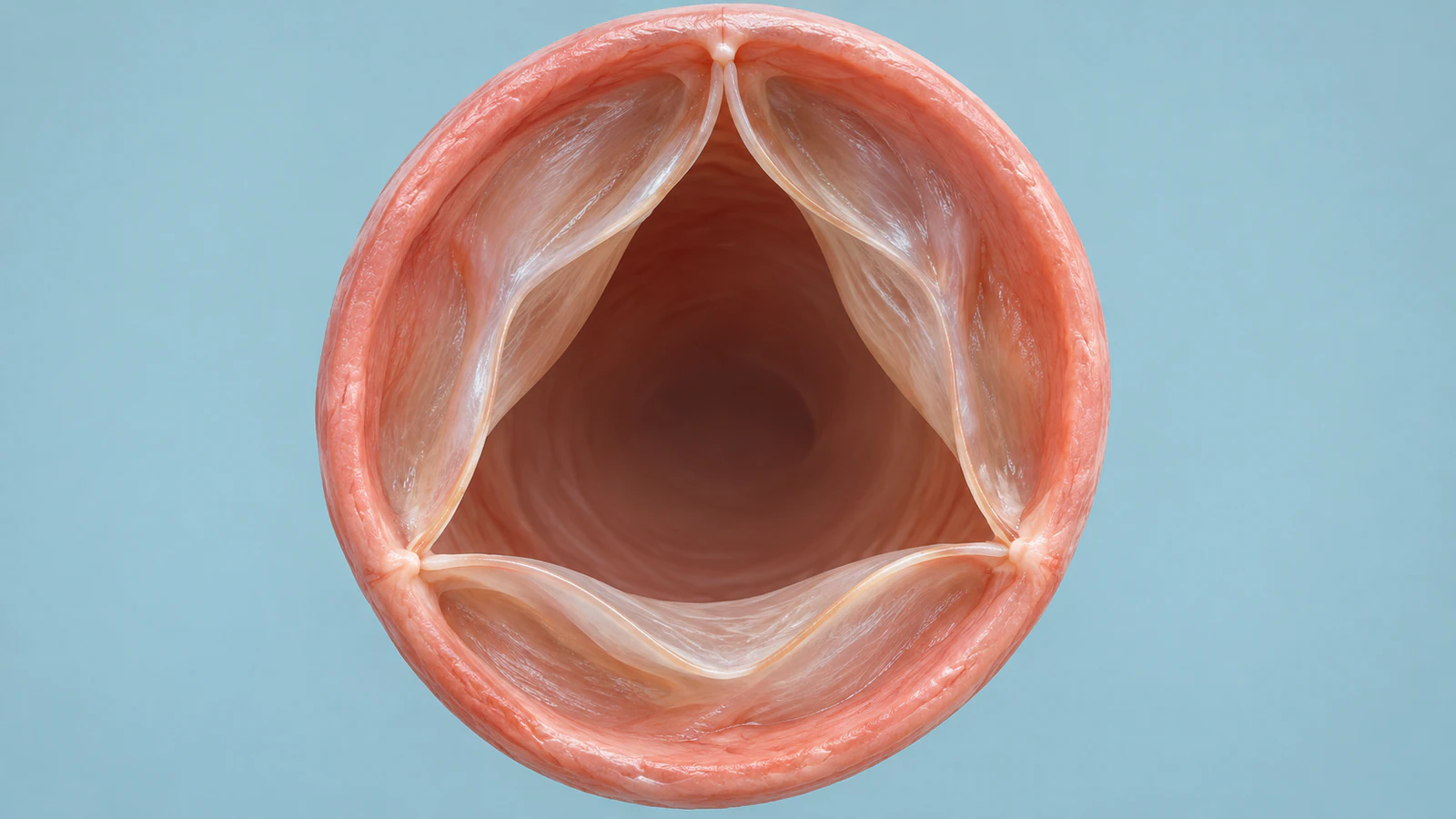
For the valve pilot, record whether the model is generic, which valve it represents and what has been simplified. The scientific review checklist provides a deeper claim-by-shot review. Here the procurement test is whether the supplier can show that process and resolve a concrete patient-facing misunderstanding.
Use a health-literacy assessment carefully
The AHRQ Patient Education Materials Assessment Tool, or PEMAT, separates understandability from actionability. Its audiovisual version gives a structured way to examine a patient video. Use the complete instrument and its instructions, rather than selecting a few convenient items and calling the result a PEMAT score.
Review the whole film using PEMAT-A/V. Discuss disagreements between assessors and retain the reasons for each rating. Treat the assessment as evidence about the material, alongside clinical review and direct audience feedback. It is not certification of clinical accuracy or proof of better health outcomes.
Add a small task-based audience session appropriate to your organization. Ask viewers to explain the main point in their own words, then identify what they found confusing. Avoid leading questions such as 'Was it clear that the valve closes?' Record the actual interpretation and the scene that produced it. Agree the recruitment, consent and handling of feedback through your normal patient involvement process.
Specify accessible delivery early
Ask for accessibility work in the proposal, with a named owner and acceptance check. W3C's media planning guidance addresses captions, descriptions of important visual information and transcripts, and recommends including requirements in procurement documents. A caption file alone does not cover every viewing need.
For this pilot, the spoken explanation should carry the key event, while the picture makes the opening and closing easier to follow. Check that captions do not cover the valve. If visual information adds meaning that the narration omits, plan how that information will be available to people who cannot see it.
Test the actual player and publication context with the required accessibility support. A video reviewed on the studio's large monitor may be difficult to follow on a phone. Confirm the text transcript, caption timing and keyboard-operable playback in the destination. For translated versions, budget separate language review using the localization planning guide.
Run a small heart-valve pilot
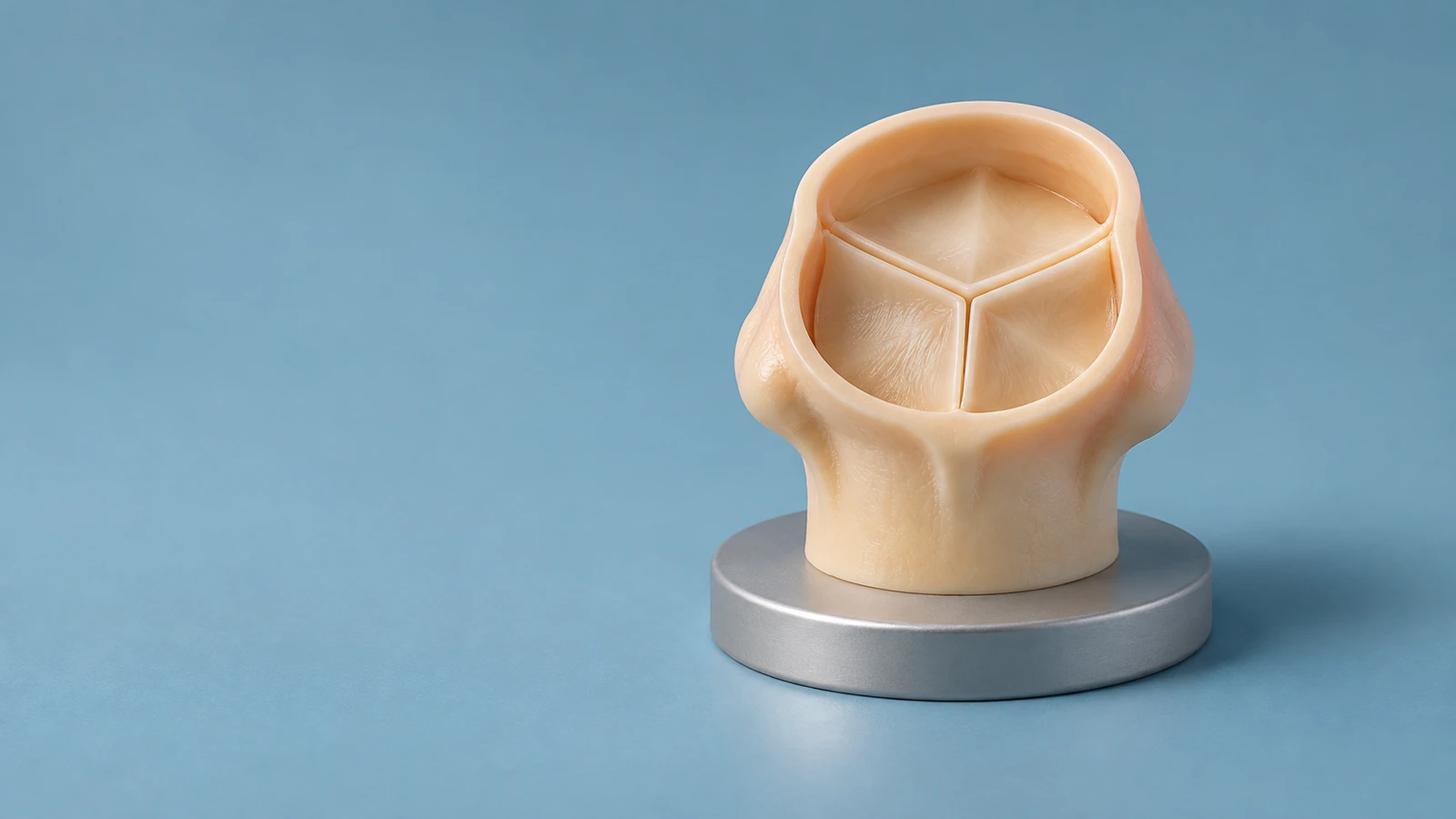
Use an explicitly illustrative pilot rather than a complete disease film. The NHLBI explanation of heart blood flow identifies the aortic valve between the left ventricle and aorta and explains the role of valves in maintaining flow direction. Keep the clinical claim at that level unless your approved sources support more.
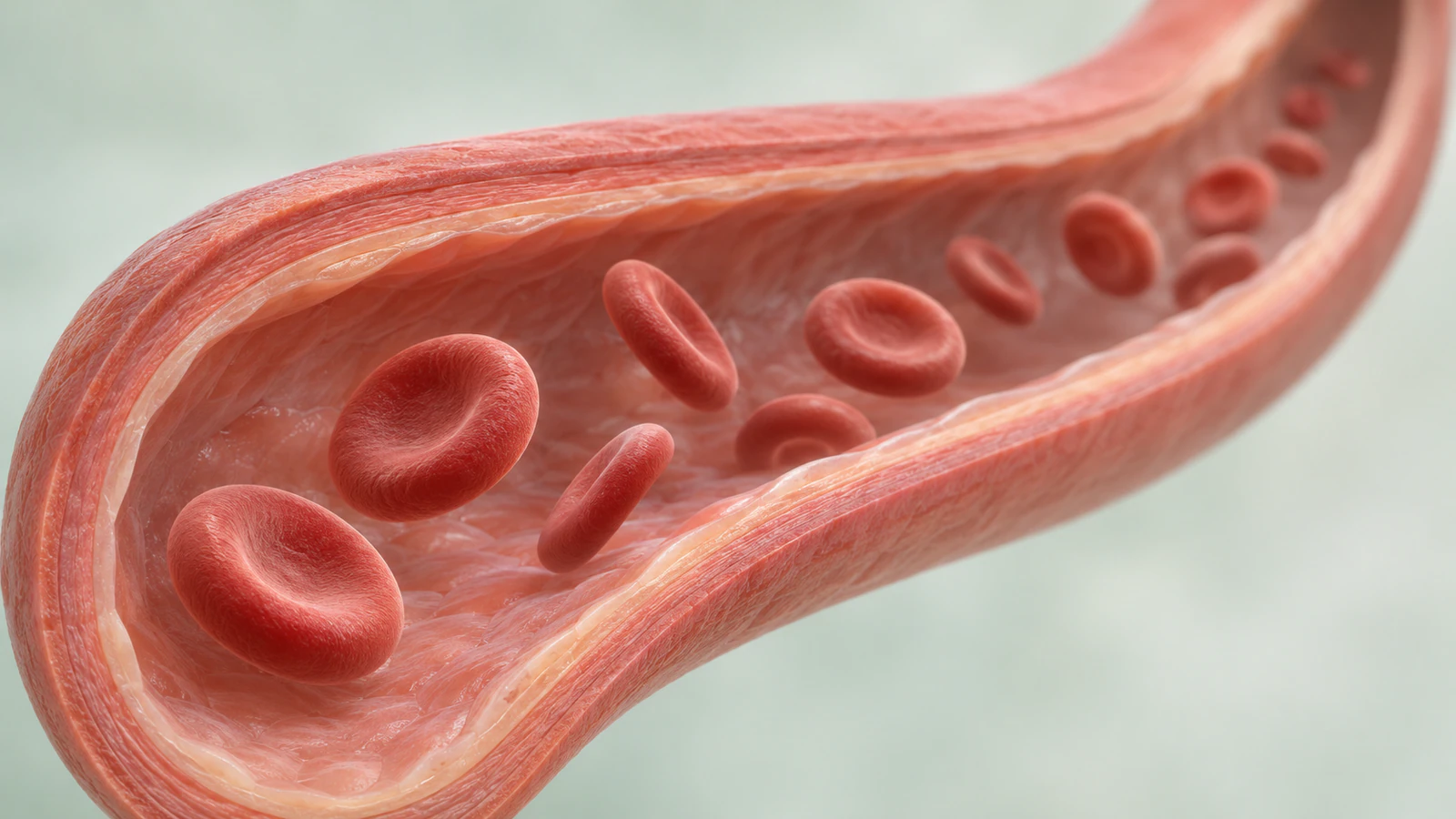
Animiotics' heart-valve sample film shows red blood cells passing through an opening aortic valve and a view of the leaflets closing. Its page explicitly identifies exaggerated cell size and timing and animated, unmeasured flow. It is a concrete starting point for discussing visual simplification, not evidence of patient comprehension.
The proposed pilot below is a new commissioning exercise, not a completed user test. Use a fixed camera for the main explanation, a generic normal three-leaflet valve and no treatment comparison. The durations are planning choices. Ask the supplier to propose changes if audience testing reveals that the explanation needs more time.
| Proposed shot | Message to test | Reject or revise if |
|---|---|---|
| 0-5 seconds: establish valve and direction | This structure sits on the route out of the heart | The viewer cannot identify the opening |
| 5-12 seconds: show an open valve | Blood passes through the open valve | Cell motion obscures the leaflets |
| 12-19 seconds: show closure | Closure limits backward flow | The valve looks like a separate active pump |
| 19-25 seconds: hold the final view | The viewer can describe the two states | A new unexplained detail distracts from the message |
Judge the pilot by the misunderstanding it resolves
Give each supplier the same review note: 'A viewer thinks the valve itself pumps blood. Revise the explanation so that opening and closing are understood without adding a new medical claim.' Ask for a proposed change and its effect on cost and schedule. Do not ask several studios to produce unpaid speculative work.
A useful response might change the camera, remove distracting cell movement or revise the approved narration. Compare the reasoning and the ability to preserve the rest of the film. A response that only adds more labels may leave the misunderstanding intact. Review the changed sequence with the clinical owner before returning it to viewers.
Keep a small acceptance record: version, intended message, observed interpretation, correction, reviewer and result. Agree in advance what requires another round. A successful pilot means your specified checks passed for that version and audience sample. It does not establish universal understanding or justify claims about adherence, anxiety or clinical outcomes.
Price the complete patient package
Request a line-by-line scope that includes the master video, captions, descriptive transcript where needed, language versions, agreed formats and future update arrangements. Make the number of included review rounds explicit. State who consolidates conflicting feedback and what happens when clinical wording changes after approval.
Ask whether the quotation includes patient involvement or only internal production review. Nutmeg's healthcare portfolio describes language and cultural review through focus groups for a screening series. That is an example of a service to discuss, not a guarantee that every studio offers it or that your project needs the same scale.
Clarify usage rights for the website, portal, waiting-room screens and social excerpts. Confirm third-party asset and voice permissions, editable-file delivery and charges for later updates. Use the commercial-license checklist to make those questions concrete. Do not assume that paying for production transfers every underlying right.
Decide whether your team can own production
An in-house route works best when someone has time to maintain the clinical sources, gather feedback and prepare the final patient materials. Animiotics scientific animation software can supply an editable anatomical scene for that workflow. The team still owns the clinical explanation and its suitability for the intended audience.
The current product documentation describes creating and editing scientific 3D scenes, rendering them and adding voice and captions. These capabilities can support a pilot. They do not replace patient testing or make every generated scene ready for patient-facing use. Inspect anatomy, timing and language before sharing a version outside the review group.
Check the live pricing and terms for your organization. Manual editing and paid generation are distinct; generation and exports require a paid plan. Industry plan terms include commercial-use rights for exported animations, while third-party materials retain their own conditions. Compare the total work your team must do with the services in a studio quotation.
Frequently asked questions
How do I shortlist a patient information animation studio?
Ask for a relevant patient-facing example, its review process and a proposal against the same brief. Compare responsibility for clinical meaning, audience testing and accessible delivery before judging visual style.
Should every patient video use 3D?
No. Use 3D when spatial anatomy or motion helps explain the task. Illustrated scenes, live action or an existing licensed film may suit a service pathway or preparation message better.
Does a clinical sign-off prove patients understand the film?
No. Clinical review and audience comprehension answer different questions. Test the intended message with appropriate viewers and retain the findings separately from the clinical approval.
Can an existing animation be reused?
Possibly, if its content, audience fit and license permit the intended use. Check the current scientific explanation, language, distribution channels and adaptation rights before relying on it.
How much should the pilot cost?
Request a scoped quote for the same short sequence, review rounds and files from each supplier. There is no reliable universal price for that package; avoid comparing a scene-only quote with a complete patient communication service.
Try the valve explanation in Animiotics
Start with the heart-valve sample and make a short version that keeps the opening and closing visible from one camera. Have your clinical reviewer check it, then use the pilot questions above to decide what needs changing. Keep the original sample's illustrative limits visible in your review notes.