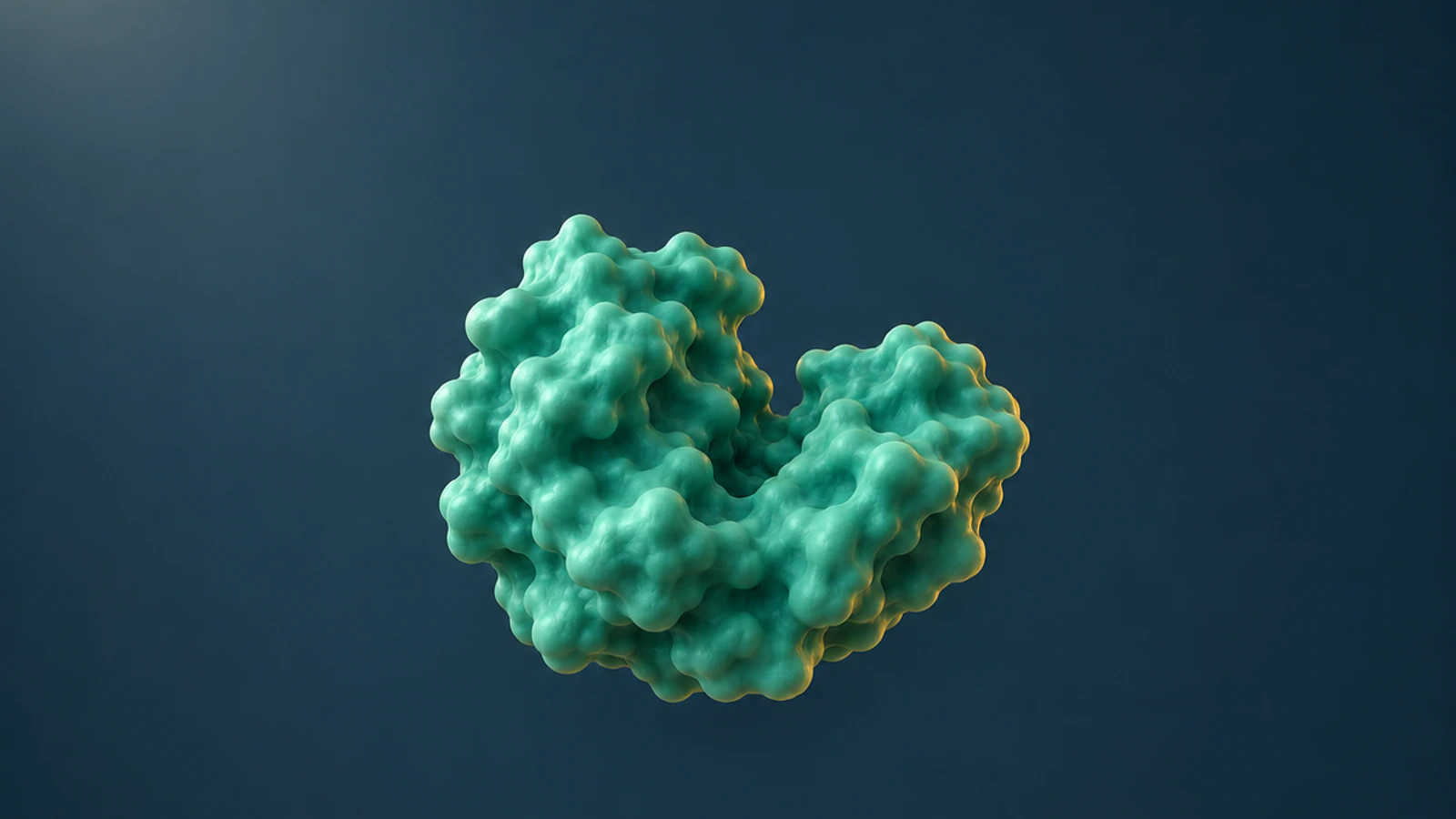
Plan from the approved delivery date
A medical animation production timeline must include scientific preparation, production, review and delivery testing. Published estimates differ: Addax gives four to six weeks for a 60-to-90-second film after script approval, while Glow suggests about two to three months for a typical project. Those are different scopes and starting points, not interchangeable promises. Work backward from the date your approved file must reach its destination.
For a biotech team preparing a conference film, the deadline is often the organizer's upload date rather than the opening session. A research group may need a checked file before a presentation rehearsal. Write down that operational deadline, the required formats and the person who can approve the finished work.
This guide compares provider assumptions and builds an illustrative schedule for one short molecular film. The working-day allowances are planning inputs to replace with your team's estimates, not a measured production benchmark. Addax timing guide; Glow planning guide.
Compare the clock behind each estimate
Ask when each quote starts counting: contract signature, complete input delivery, approved script or production kickoff. Also ask what stops the clock. A supplier may exclude the days your scientific team spends reviewing, even when its production estimate appears to fit your calendar.
The examples below are provider statements checked on November 17, 2026. They describe different jobs. Use them to ask better questions, not to calculate an industry average or rank suppliers by speed. In particular, a three-minute film should not be compared directly with a short sequence.
| Provider and stated scope | Published timing | Question before booking |
|---|---|---|
| Addax: 60-90 second film | 4-6 weeks from approved script to final file | How much preparation and review falls outside that interval? |
| Glow: typical medical animation project | About 2-3 months | Which review dates and deliverables does this include? |
| 3FX: three-minute animation process | Script 3-4 weeks; storyboard 1-2 weeks; later production passes separately timed | Are your approvals and supplier stages sequential or overlapping? |
Define the work before assigning weeks
A duration such as 30 seconds does not specify the production effort. One rotating protein, three connected cellular environments and a surgical sequence may occupy the same screen time while requiring different assets and checks. Count distinct scenes, new models, biological events, camera transitions and delivery versions.
Microverse describes scope in terms of onscreen events and identifies model assembly as a separate production phase. That is useful when reviewing a proposal: ask what must be built and what can use approved existing assets. Avoid assuming that a shorter voiceover removes the difficult modeling task. Microverse production process.
Create a short scope statement before asking for dates. Include the audience, single teaching point, evidence sources, deliverables, scientific reviewer and approval owner. The mechanism-of-action brief checklist provides a fuller input record. Keep optional scenes outside the committed schedule until someone approves their effect on timing.
Build a backward schedule with explicit dependencies
Consider an illustrative 30-second enzyme film with one structure, one simplified substrate and one narration language. Suppose the team allocates 27 working days from complete inputs to tested delivery. This is a worked scheduling example, not an Animiotics delivery commitment or a quotation for a studio project.
The table deliberately assumes sequential stages so the arithmetic is inspectable. It totals 5 + 3 + 8 + 3 + 3 + 2 + 3 = 27 working days. Insert weekends, local holidays and reviewer absences when converting it to calendar dates. If your supplier can safely overlap work, document the dependency before shortening the plan.
| Stage | Illustrative allowance | Exit condition |
|---|---|---|
| Evidence and script | 5 working days | Sources and claims accepted |
| Storyboard and timing review | 3 working days | Shot order and temporary narration approved |
| Models and rough animation | 8 working days | Complete preview available |
| Consolidated scientific review | 3 working days | One reconciled comment set returned |
| Corrections and final render | 3 working days | Agreed changes implemented |
| Playback and delivery checks | 2 working days | Files tested in target setting |
| Contingency | 3 working days | Held for an identified delay or defect |
Separate production effort from waiting time
A task can require two hours of attention and still consume several calendar days because its owner is unavailable. Put a named reviewer and response date beside each approval. Ask whether colleagues can review the same version in parallel, then have one owner reconcile conflicting comments before they reach the animator.
In the example, increasing the scientific-review window from three to seven working days adds four days. If nothing else changes, the total becomes 31 working days. Alternatively, using all three contingency days leaves a one-day shortfall. That arithmetic does not prove the supplier can compress another stage; it reveals the decision your team must make.
Distinguish correcting an agreed scientific error from changing an approved story. A new molecular target may affect models, narration and camera work together. Record those dependencies in the change request. The revision-round guide explains how to define the allowance and return a usable comment set.
Use approval gates that match the expensive decisions
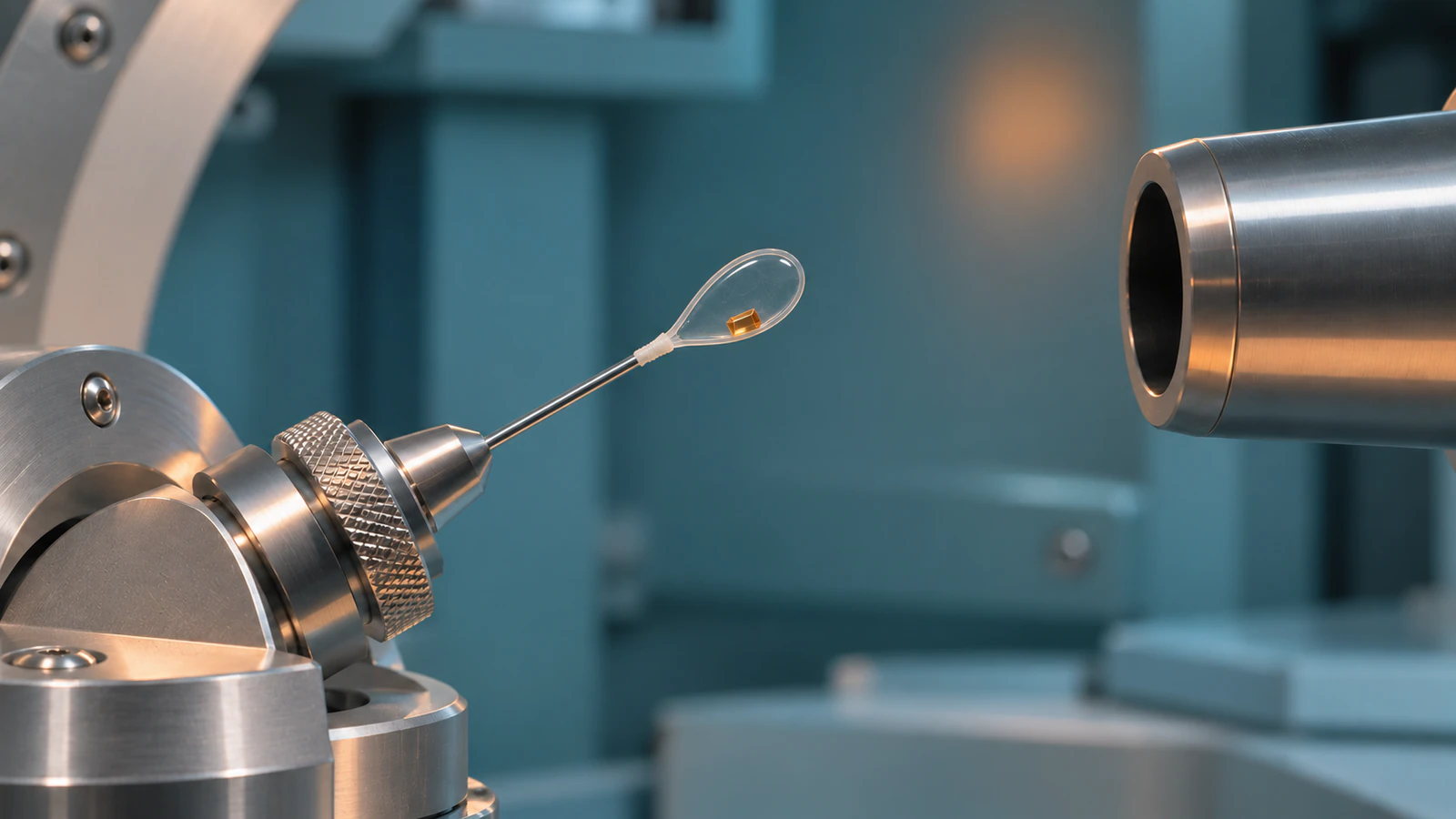
Review the claim before polishing its appearance. Review the storyboard before animating the full sequence. Review a complete rough cut before recording final narration or committing to the final render. This sequence gives each reviewer a concrete artifact and reduces the chance that an unresolved mechanism reaches the last production stage.
MedicalGraphics distinguishes content, storyboard, model/look approval and rough layout animation. Its layout stage is used to assess scene flow and timing. 3FX likewise describes approvals between stages and asks buyers to identify their medical, legal and regulatory review arrangements. Neither source supplies a universal approval duration. MedicalGraphics workflow; 3FX process.
For each gate, write a short acceptance question: does the narration match the evidence; is the molecular identity correct; can the viewer follow the event; does the final file play correctly? An aesthetic sign-off should not silently count as scientific approval. Keep the version identifier with the decision so later feedback refers to the same cut.
Scope a lysozyme scene before promising a date
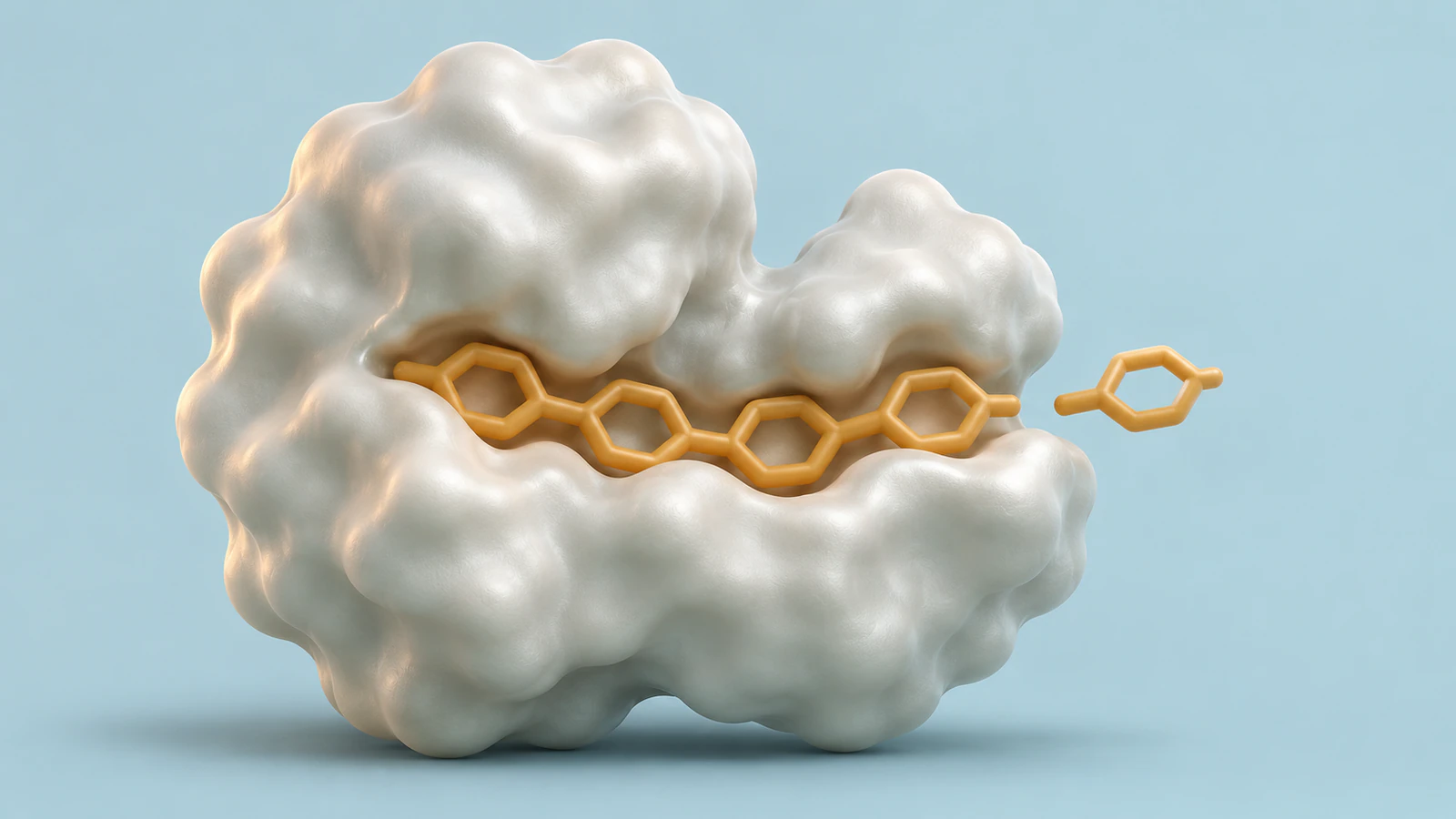
A narrow molecular example exposes hidden preparation work. Suppose the film explains that lysozyme cuts carbohydrate chains in bacterial cell-wall material. The teaching goal is to distinguish the enzyme from its substrate, the material it acts on. It does not need a claim about treatment efficacy or an instantaneous bacterial explosion.
The 1LYZ structure record describes hen egg-white lysozyme from Gallus gallus, determined by X-ray diffraction at 2.00 angstrom resolution. Biological assembly 1 is a monomer, and chain A has 129 residues. This is a real structural input, not a human lysozyme model or a movie of catalysis. The associated Diamond paper documents the refinement.
RCSB PDB-101 explains that lysozyme breaks carbohydrate chains in the bacterial wall, whose chains are cross-linked by short peptides. A proposed film must therefore identify the carbohydrate as the cleavage target rather than showing the enzyme cutting those peptide links. RCSB lysozyme explanation.
Before scheduling animation, settle the substrate representation and any additional evidence needed for the chosen binding pose. The structure identifier alone does not authorize an invented reaction path. The illustrations here are conceptual, not renders derived from 1LYZ coordinates.
Turn the example into a reviewable pilot
Propose three shots for the 30-second pilot: an eight-second orientation view of the enzyme, a fourteen-second close view of a simplified carbohydrate chain at its groove, and an eight-second return to cell-wall context. These durations are editorial choices, not biological rates. Use temporary narration until the scientific reviewer accepts the sequence.
The acceptance record should say what is evidence-based and what is illustrative. Record 1LYZ as the proposed protein source, distinguish the modeled substrate from that input, and label the simplified timing. Do not claim a simulated trajectory, measured reaction rate or exact substrate pose without supporting work.
Animiotics supports creating and editing molecular scenes; its molecular animation software page describes that workflow. The proposed lysozyme pilot has not been produced or timed for this article. Use it as a concrete trial task to establish your own preparation, correction and export requirements before committing the larger film.
For an existing visual reference, the antibody-binding example shows a stylized receptor-blockade scene. It demonstrates a focused interaction sequence, not lysozyme chemistry or proof of your project's turnaround.
Choose a production route your team can support
The fastest first preview is useful only if someone can inspect and finish it. Compare responsibility as well as turnaround. A team with approved source material and an available scientific lead can take on different work from a team seeking a complete production service.
Animiotics documentation describes generation followed by editable scene review, manual changes and rendering. Those are production steps, not a guarantee that an organization has approved the result. Paid generation and export requirements, commercial-use eligibility and third-party rights still need to match the project. Check the current plans, documentation and terms before purchase.
| Route | Suitable starting situation | Time your team must still reserve |
|---|---|---|
| Existing approved film | The message and usage rights already fit | Accuracy, rights, format and audience checks |
| In-house editable 3D | A reviewer can define inputs and correct the scene | Preparation, inspection, iteration and delivery testing |
| Specialist studio | The project needs a production team and coordinated deliverables | Briefing, approvals and consolidated feedback |
Reduce scope without removing the essential check
When the calendar does not fit, remove a nonessential environment, language version or optional camera sequence before removing scientific review. Ask the supplier which reduction actually shortens the critical path, the chain of tasks that determines the completion date. Cutting a simple end card may save little if a complex model remains unfinished.
Agree on a fallback deliverable early. For an internal presentation, an approved still sequence may communicate the necessary evidence while the full film continues. For a public launch, that substitute may be unacceptable. Record the decision rather than assuming every audience can use a rough preview.
Keep final playback and handoff time visible. Test the agreed resolution, captions, sound and file on the intended presentation setup. A render that looks correct in the production viewer can still be the wrong delivery version. Use the animation handoff checklist to define what must be verified before the file is accepted.
Frequently asked questions
How long does a medical animation take?
Published vendor estimates span different scopes and starting points. Ask for a schedule tied to your exact brief, review windows and delivery requirements. An estimate beginning at approved script omits the work needed to reach that approval.
Does a 30-second film take half as long as a 60-second film?
Not necessarily. Research, model preparation and approval may be similar for both. The number and complexity of biological events matter more than assuming a direct proportion between runtime and production days.
Can AI generation replace the scientific review window?
No. A generated scene still needs inspection against its sources and intended claims. Schedule that work explicitly, including any corrections and the final delivery checks.
What should happen if a reviewer misses the deadline?
Recalculate the dependent dates, identify available contingency and ask the approval owner to choose between reduced scope and a revised delivery date. Silence should not be treated as approval.
When should final narration be recorded?
Usually after the script and rough timing have been accepted for the chosen workflow. Confirm the actual arrangement with the producer, including how later wording changes affect recording and editing.
Try a scoped molecular animation in Animiotics
Start with the proposed lysozyme orientation scene and one clear acceptance question: can the reviewer distinguish the enzyme from the carbohydrate substrate? Keep the source record beside the scene, inspect the first result and note the changes it needs. That gives your team a practical basis for estimating its own review effort.
Try Animiotics with a small, defined molecular task before committing to a larger film. Choose a current plan appropriate to generation, exports and your intended use, then reserve time for scientific review and playback testing.