Why mRNA Vaccine Mechanism of Action Animation Matters
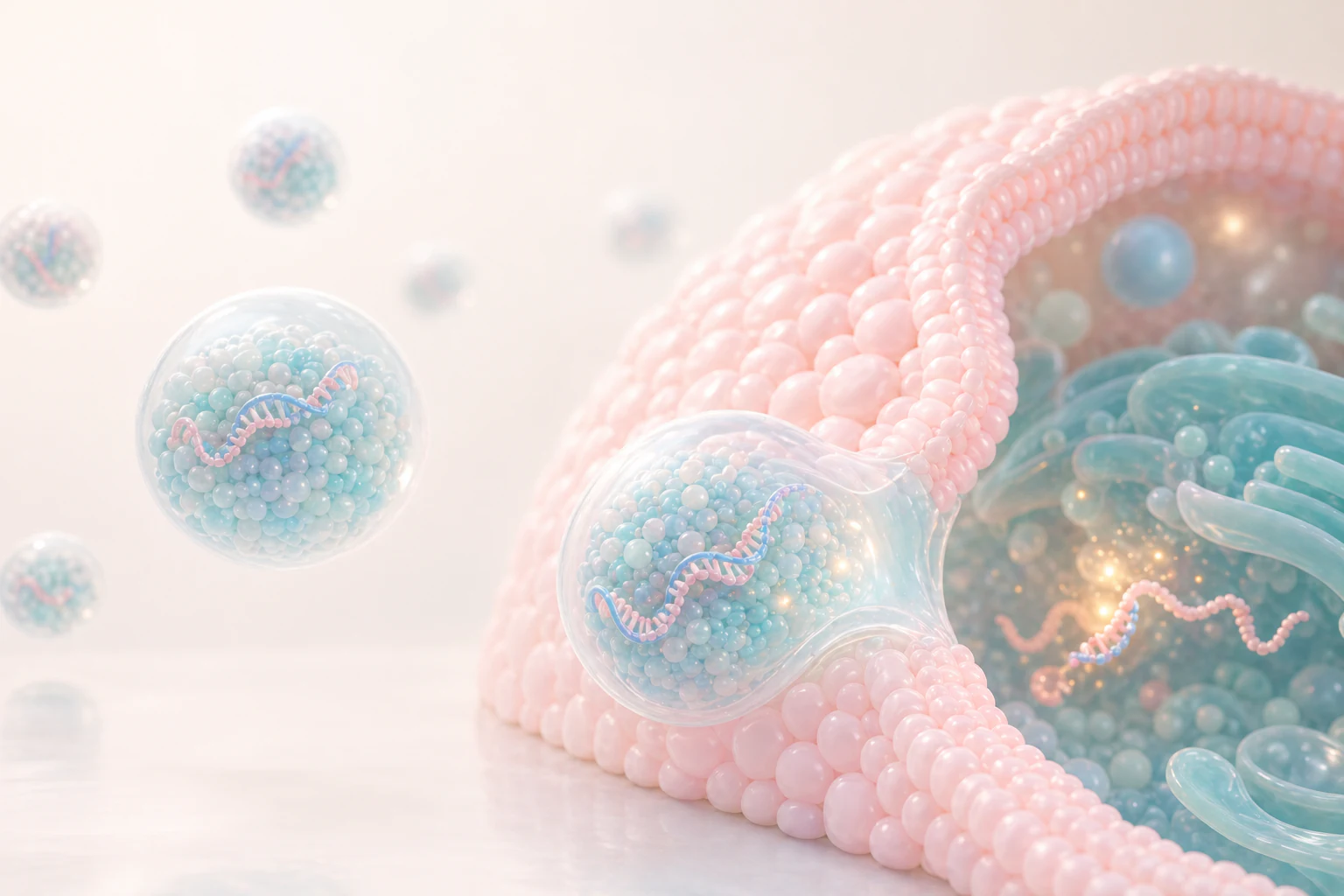
mRNA vaccine mechanism of action animation matters because the most important events in the story are invisible, sequential and easy to misunderstand. A lipid nanoparticle protects a fragile message. The particle reaches target cells. The message is released into the cytoplasm. Ribosomes translate it into antigen. Antigen presentation then helps the immune system learn what to recognize. Each step is familiar to specialists but abstract for business audiences.
For biotech teams, the problem is not only education. It is confidence. Platform partners, investors, clinical collaborators and internal leadership need to see how formulation design, encoded antigen choice and immune response connect. Static diagrams can show parts of the process but they often flatten timing, scale and causality. Animation can preserve scientific nuance while guiding the audience through one decision-relevant path.
The strongest mRNA visuals avoid the temptation to show everything at once. They use clean scene hierarchy, consistent particle design and restrained motion so the viewer understands the delivery logic before evaluating platform claims. That is especially important when the asset supports financing, partnering, pipeline expansion or launch communication.
- Use animation when timing and sequence shape the meaning of the biology.
- Separate delivery, translation and immune learning into distinct visual beats.
- Keep the visual style clean enough for scientific decks and commercial pages.
What Buyers Need From mRNA Vaccine Visuals
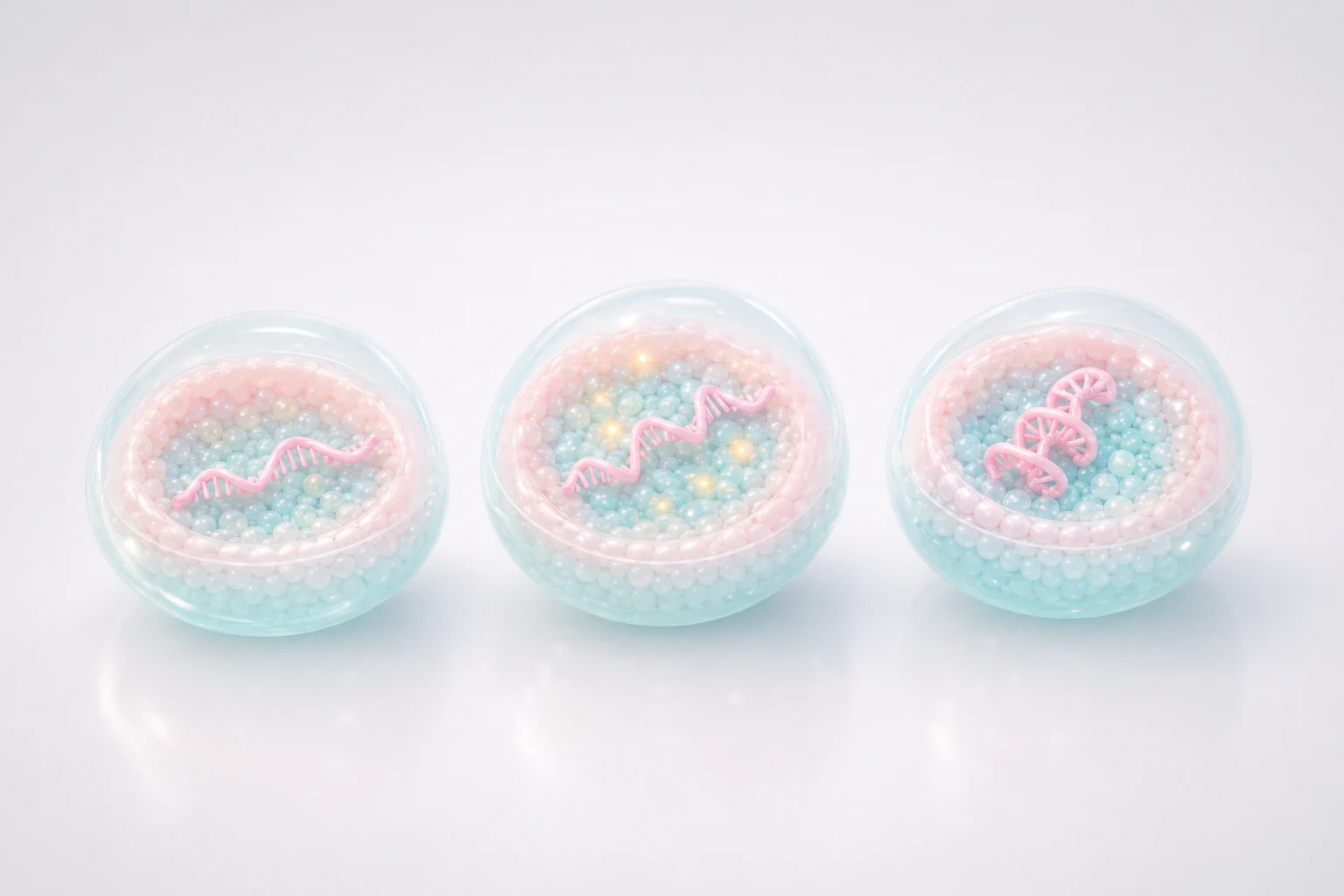
Buyers rarely need an mRNA vaccine visual because they lack a basic definition. They need a shared mental model that can survive across meetings. The same asset may appear in an investor deck, a BD presentation, a scientific conference talk, a website section and a board update. Each audience enters with different knowledge but all need to understand why the platform is credible.
A partner may focus on antigen design and immune response. A platform buyer may care about LNP composition, tissue exposure and manufacturability. A non-specialist investor may need to understand why the encoded message does not enter the nucleus and why the mechanism differs from viral vector delivery. The CDC describes mRNA vaccines in accessible terms as instructions that help cells make a protein that triggers immune protection. A buyer-facing animation can start from that frame and then add program-specific precision.
This is the same communication challenge that appears in our guide to AAV gene therapy vector animation. Both stories connect delivery to expression. mRNA vaccine mechanism of action animation adds a different payload logic, a different duration profile and a stronger need to clarify immune activation without implying unsupported efficacy.
- Design one visual system that can support slides, still figures and web assets.
- Show payload protection and release without making the LNP look like a permanent carrier.
- Use consistent color coding for LNP shell, mRNA message, cell membrane and antigen.
Build the Story Around LNP Delivery
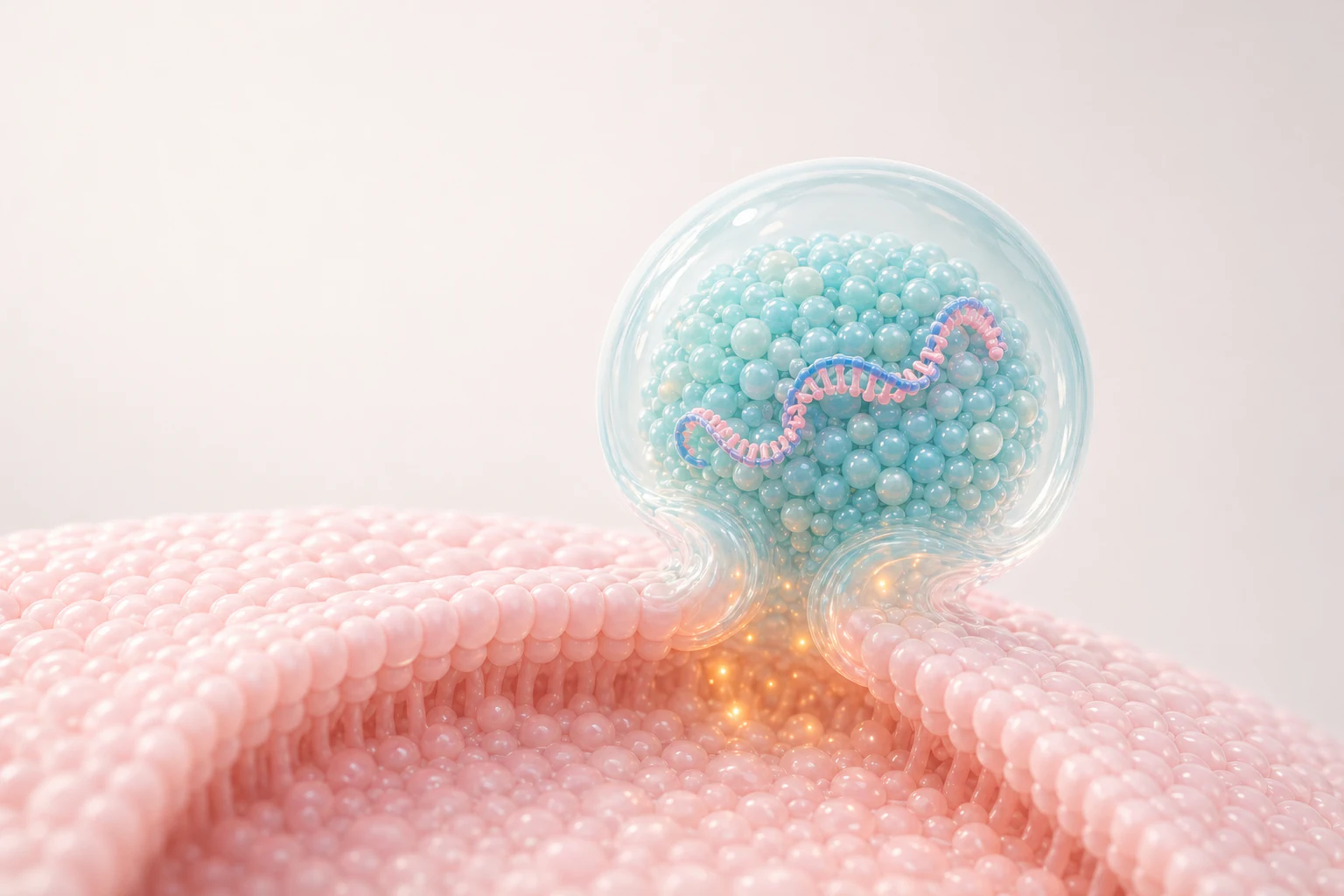
LNP delivery is often the first place where mRNA vaccine visuals become either clear or confusing. The lipid nanoparticle is not just a decorative sphere. It is the reason the mRNA can be formulated, delivered and released at useful sites. A good storyboard shows the LNP as a temporary protective structure with a defined role in the mechanism.
Start by deciding the scale of the scene. A whole-body scene can establish administration and tissue context. A tissue-level scene can show distribution and cell proximity. A cellular scene can show uptake, endosomal escape and message release. Trying to compress all of those scales into a single frame usually creates a crowded diagram. A better sequence moves from context to cell entry with controlled changes in camera distance.
For commercial communication, delivery scenes should be accurate enough to earn trust but simple enough to support the claim. If the platform story depends on a proprietary formulation, the LNP can have a distinct visual identity without exposing confidential ratios. If the story depends on cell targeting or tolerability, the animation can reserve visual emphasis for the interaction that matters most.
- Treat the LNP as a functional vehicle, not a generic glowing bubble.
- Use scale transitions to move from administration context to cellular entry.
- Avoid overclaiming tissue specificity unless the data support that emphasis.
| Scene Level | Primary Question | Best Visual Focus |
|---|---|---|
| Administration | Where does the product enter the story? | Injection context and formulation identity |
| Tissue | How does the payload reach relevant cells? | Distribution, proximity and local exposure |
| Cellular | How does the message become available? | Uptake, release and cytoplasmic mRNA |
Show Translation Without Losing the Audience
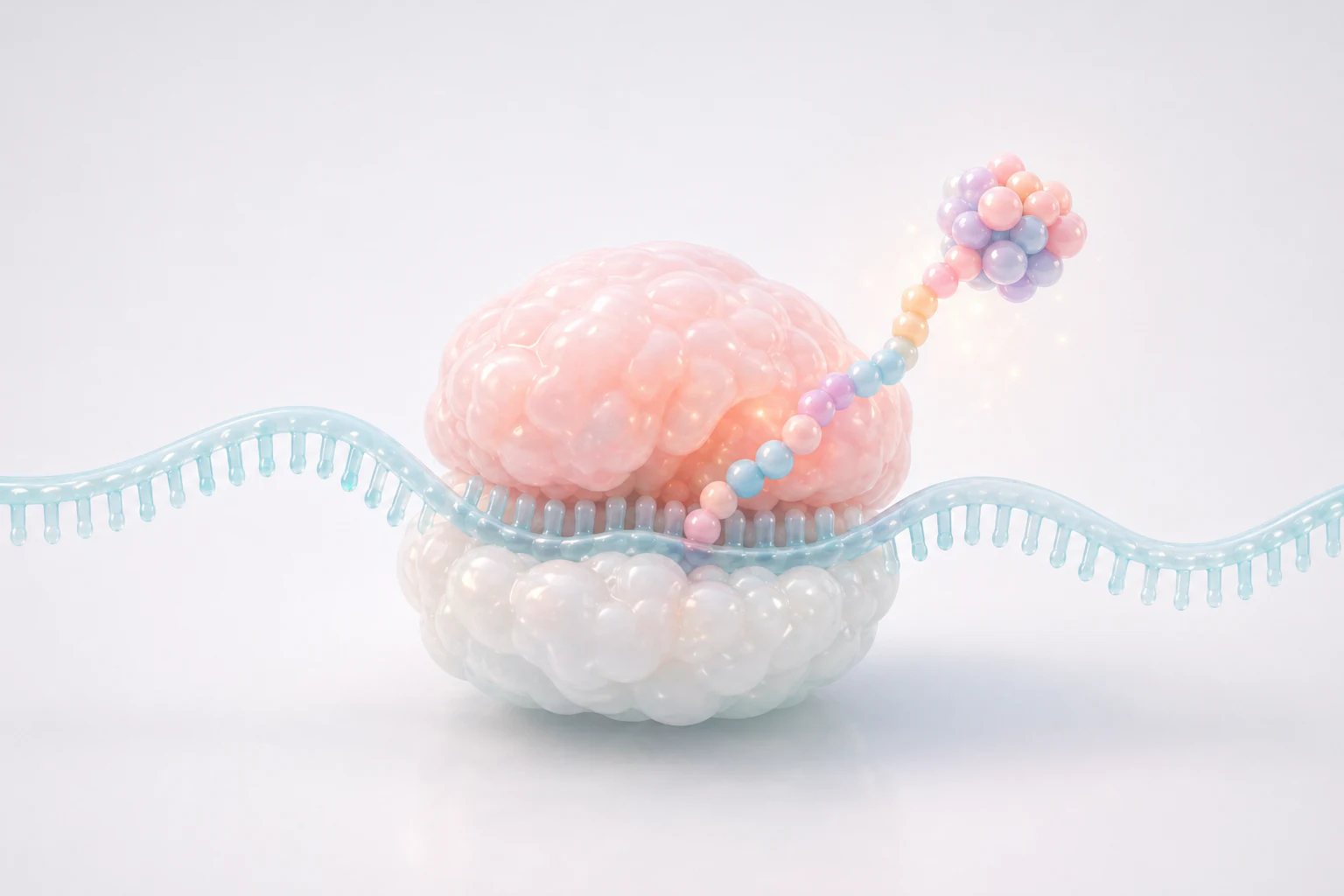
After delivery, the mRNA vaccine story shifts from carrier behavior to cellular production. This is where animation can add real value. A static panel can state that ribosomes translate mRNA into antigen. A sequence can show the released message entering the cytoplasmic context, passing through simplified ribosomal machinery and producing antigen forms that become meaningful later in the immune story.
The key is to resist literal overload. Ribosomes, codons, amino acids and protein folding are scientifically rich subjects but most buyer-facing assets do not need a molecular biology lecture. They need to make the bridge from encoded sequence to antigen expression. A clean render can show the mRNA as a readable ribbon, the ribosome as a soft molecular gate and the antigen as a distinct product with its own visual identity.
This also creates reusable assets. The same antigen model can appear in later immune activation scenes, presentation scenes and comparison figures. That continuity helps audiences connect mechanism steps without re-learning the visual language. It also makes the campaign more efficient because stills, motion loops and deck figures can share the same core objects.
- Use translation scenes to connect encoded design with biological output.
- Simplify ribosome detail unless the article or deck is specifically about translation biology.
- Reuse the antigen visual identity across downstream immune response scenes.
Connect Antigen Expression to Immune Activation
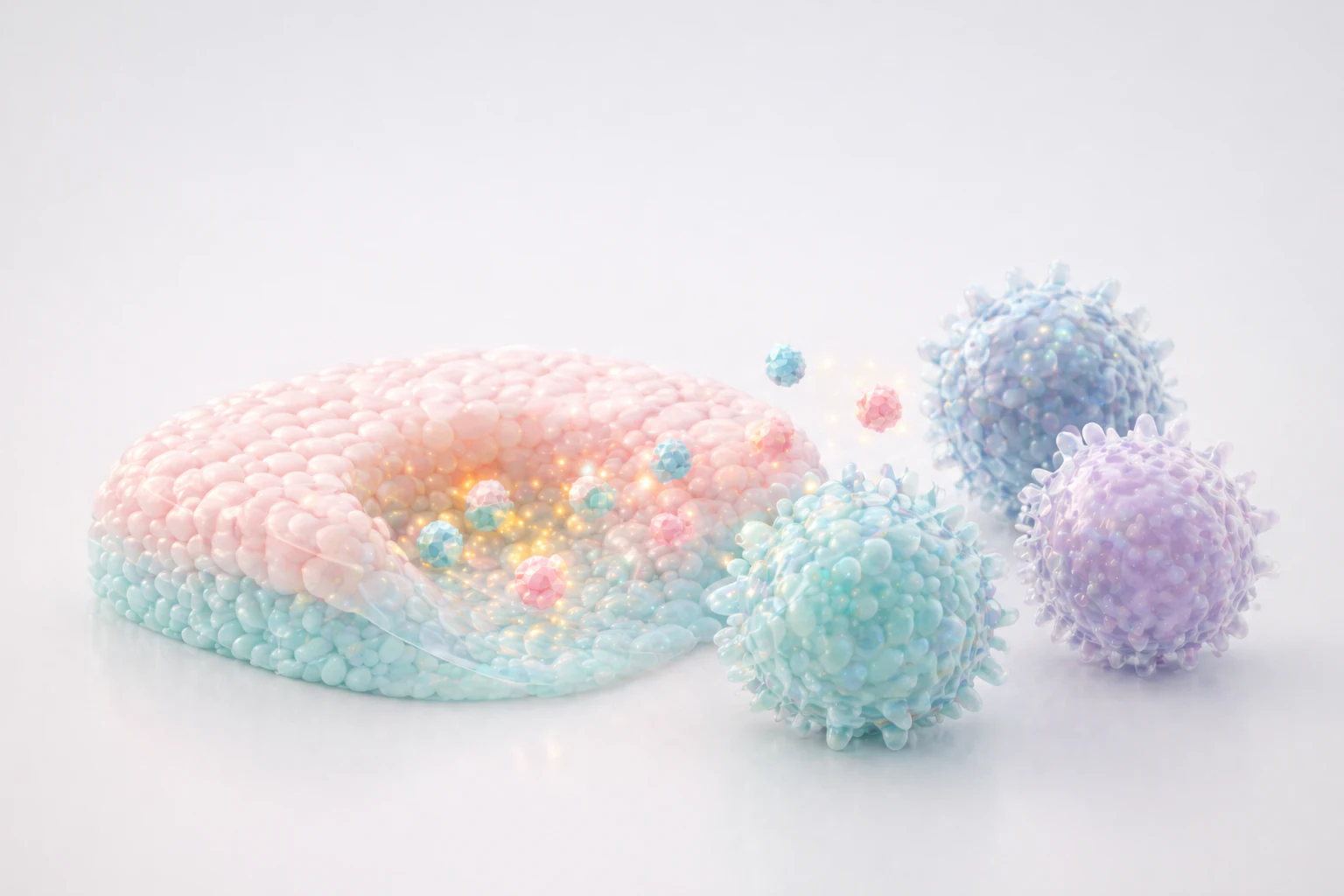
Immune activation is where many mRNA vaccine visuals become too broad. A useful commercial animation should not imply a complete immunology textbook. It should show the specific immune logic that supports the product story. That may include antigen expression, antigen presentation, innate sensing, B cell activation, T cell support or memory formation depending on the program and claims.
The right choice depends on audience and evidence. A discovery-stage platform may need to show antigen design and delivery confidence. A clinical-stage vaccine may need clearer links between antigen expression and measured immune readouts. A partner presentation may need to compare how mRNA enables rapid antigen updates. Each case requires different visual emphasis.
For Animiotics projects, this is where scientific direction matters. We often map the story as a chain of claims before making frames. Which claim is established by the LNP scene? Which claim is established by translation? Which claim is established by immune activation? When each scene has a role, the animation becomes a buyer tool rather than a beautiful but generic mechanism movie.
- Choose immune scenes based on the claim the asset must support.
- Keep antigen, presentation and response visually separate.
- Use measured readouts as context only when they are needed for the audience decision.
Make the Asset Useful Across Launch and Platform Channels
A strong mRNA vaccine animation should not live as one isolated video. It should become an asset system. The cover render can work on a website. Delivery stills can support a platform deck. Translation frames can support a scientific talk. Immune activation scenes can become short loops for launch pages or conference booths. Planning those outputs early protects quality and budget.
This is one reason teams often pair animation planning with publication-grade figure design. Our guide to graphical abstract maker workflows explains how visual hierarchy turns complex research into a digestible summary. The same principle applies here: every object, color and camera move should earn its place.
For biotech clients, the most valuable deliverable is usually not a single beautiful animation. It is a consistent set of mechanism visuals that helps the team explain the platform repeatedly. That includes a hero image, storyboard stills, slide-ready figures, short motion segments and alternate crops for web or social channels.
- Plan hero, deck, web and conference outputs before rendering final scenes.
- Keep colors and object identities stable across every format.
- Create still frames from key mechanism moments so the animation supports sales enablement.
FAQ About mRNA Vaccine Mechanism of Action Animation
How long should an mRNA vaccine mechanism animation be?
Most commercial mechanism videos work best between 60 and 120 seconds. Shorter loops can introduce LNP delivery or translation, while longer versions can support investor education or conference presentations.
Should the animation show every immune pathway?
Usually no. The best version shows the pathway that supports the product claim. A broad immunology montage can dilute the story and create review risk if the visuals imply unsupported effects.
Can one visual system cover multiple mRNA programs?
Yes, if the core objects are modular. The LNP shell, mRNA ribbon, antigen product and immune response scenes can be adjusted for different programs while preserving a consistent platform identity.
What should a team prepare before starting?
Bring the target audience, core claim, review constraints, key mechanism steps and any existing brand or platform visuals. Those inputs help the storyboard stay accurate and commercially useful.
Next Step: Turn the mRNA Story Into a Visual System
mRNA vaccine mechanism of action animation is most effective when it is planned as a decision tool. The goal is not simply to make LNPs and immune cells look beautiful. The goal is to help a buyer understand why the platform works, what evidence supports the claim and how the story differs from adjacent modalities.
Animiotics builds scientific figures, 3D renders and animation-ready systems for biotech teams that need mechanism visuals with commercial discipline. If your team is preparing a platform deck, partner presentation, launch page or conference asset, start by defining the claim that must be understood after the first viewing.
From there, the visual plan can turn LNP delivery, mRNA translation and immune activation into a coherent story that works across slides, web pages and motion. That is the difference between a mechanism graphic and a communication asset.
- Use one storyboard to align science, commercial and review expectations.
- Build modular assets so the same render system supports future programs.
- Prioritize clarity before adding cinematic detail.