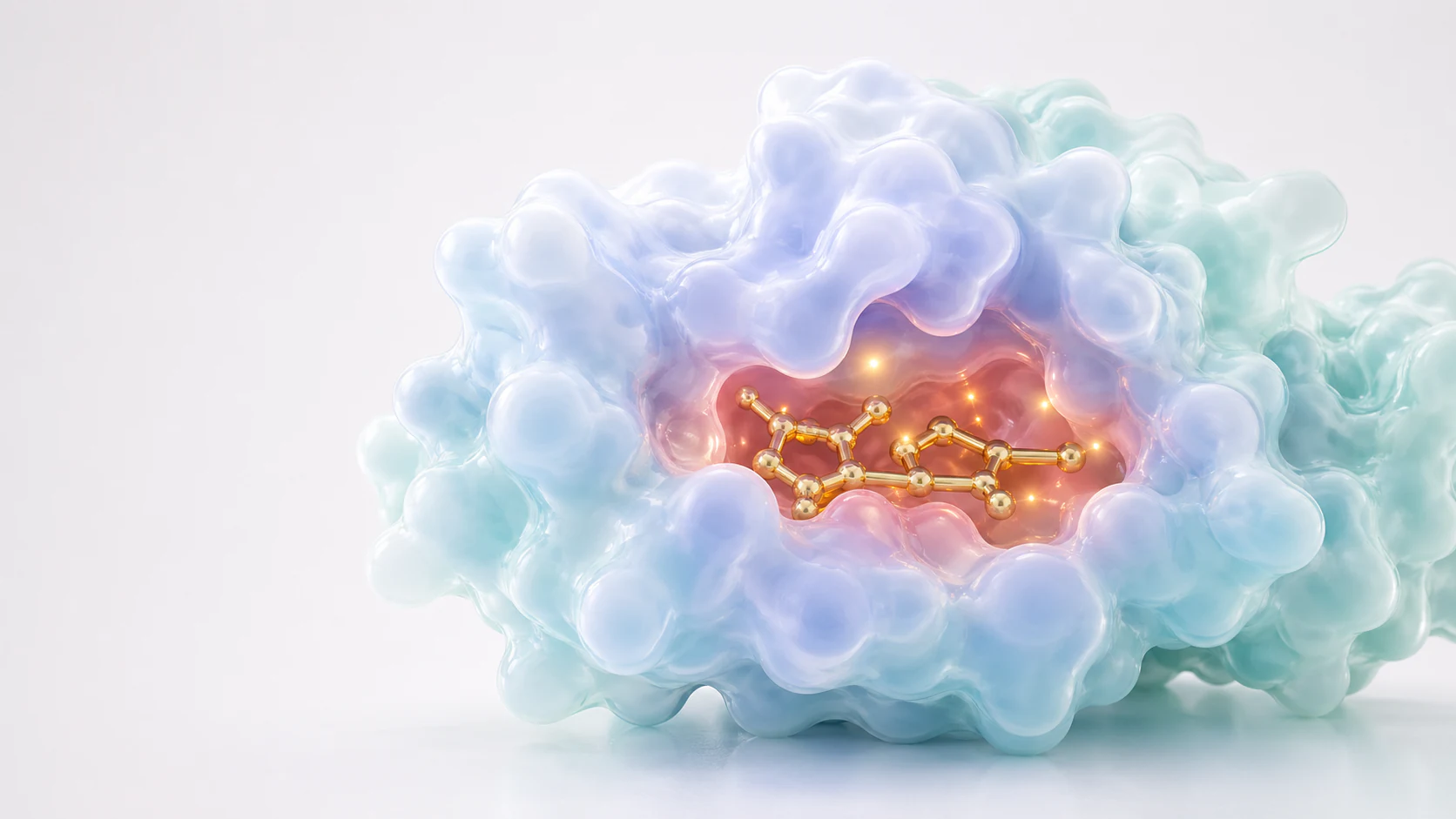
Why Kinase Inhibitor Mechanism of Action Animation Matters
Kinase inhibitor mechanism of action animation matters because kinase stories sit at the intersection of structure, signaling, selectivity and clinical consequence. A program may need to show ATP-site competition, conformational state, allosteric inhibition, pathway shutdown, biomarker response and resistance in one concise narrative. Each part is scientifically important, but the audience only understands the value if the mechanism is sequenced clearly.
For biotech teams, the communication problem is practical. A medicinal chemistry group may need to explain why a molecule fits one kinase pocket and avoids a related target. An oncology platform team may need partners to understand how target engagement changes downstream signaling. A commercial team may need a web, deck or conference asset that makes a targeted therapy feel credible without turning the page into a pathway poster.
A strong kinase inhibitor mechanism of action animation gives the audience a clean mental model before it adds detail. It shows the kinase architecture, the binding site, the inhibitor, the substrate or signaling output and the biological result as separate visual beats. The goal is not to make a decorative protein movie. The goal is to make a complex drug mechanism easy enough for scientific, investor and partner audiences to remember.
- Use animation when binding, conformational change or pathway timing changes the story.
- Keep the kinase, inhibitor, substrate and downstream signal visually distinct.
- Plan still renders and motion scenes from the same approved molecular asset system.
Start With the Binding Story
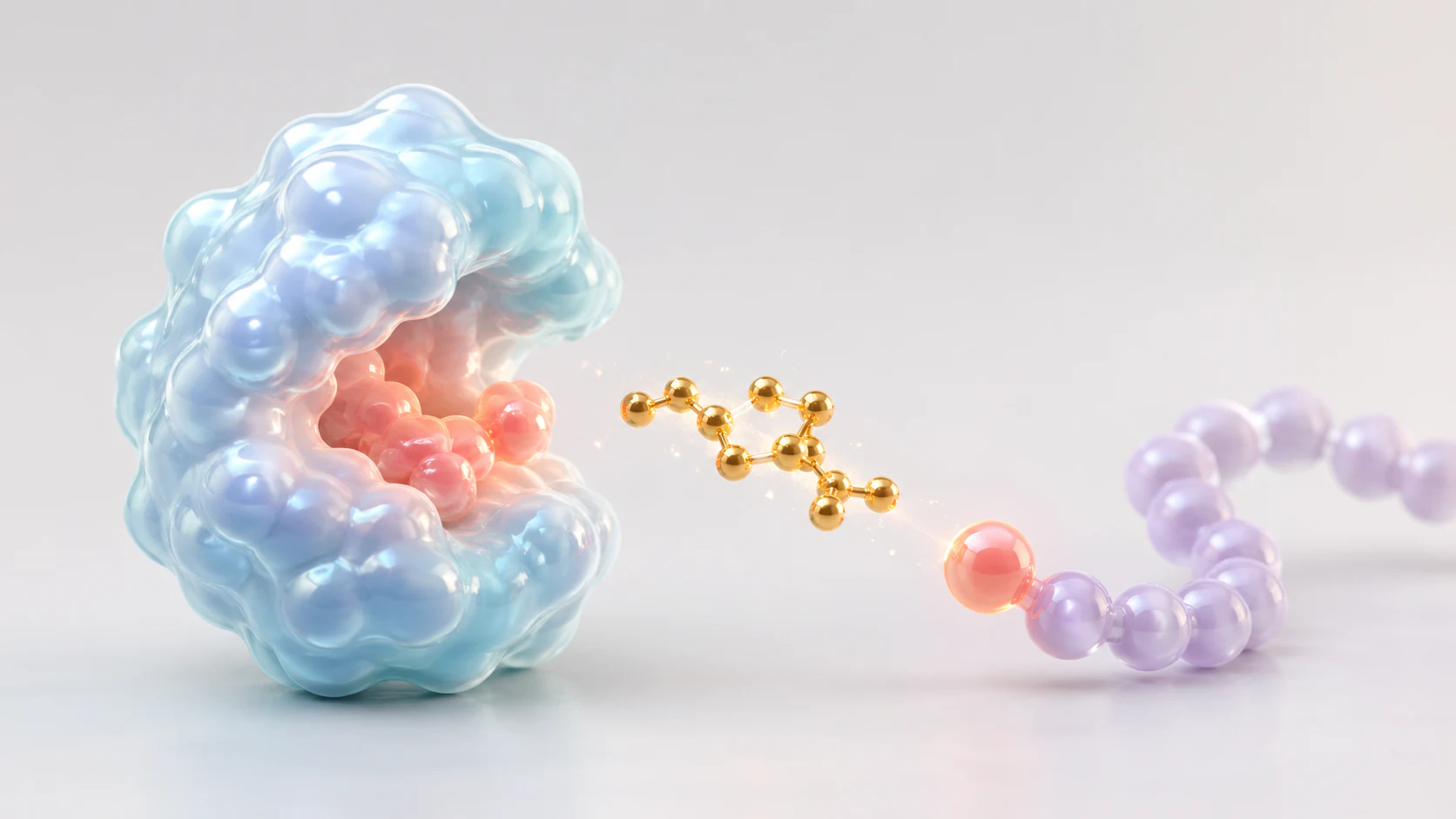
The first planning question is what the kinase animation must prove. Some programs need to show a classic ATP-competitive mechanism. Others need to show allosteric control, covalent engagement, inactive-state stabilization, mutant selectivity or pathway-level rescue. These are different visual problems. A generic pocket with a glowing ligand will not explain why the molecule is differentiated.
If the claim is ATP-site competition, the visual should show the pocket before and after inhibitor engagement so the audience sees what is being blocked. If the claim is selectivity, the scene should compare related pockets with restrained differences in shape, access or fit. If the claim is resistance, the animation should show how a mutation or conformational shift changes the pocket enough to reduce binding or require a next-generation inhibitor.
This discipline is similar to the planning behind protein-ligand interaction visualization. The structure may contain many contact details, but buyer-facing communication depends on one primary claim. Kinase inhibitor mechanism of action animation should turn that claim into a sequence that can survive a fast pitch meeting.
- Define whether the asset sells a molecule, a platform, a lead series or a clinical rationale.
- Choose one binding claim before adding pathway or resistance detail.
- Use a consistent pocket style so later stills, slides and videos feel connected.
Map the Kinase Before the Pathway
Many weak mechanism visuals begin too far downstream. They open with pathway names, arrows and phosphorylation events before the viewer understands the molecular event that starts the story. A clearer approach starts with the kinase itself. Show the active site, the regulatory shape, the inhibitor and the substrate relationship first. Once that scene is legible, the pathway has a cause.
This order matters for commercial storytelling because kinase programs often compete on nuanced claims. The difference between reversible and covalent binding, active-state and inactive-state preference or wild-type and mutant selectivity can be lost if the first frame is a dense MAPK, EGFR, BTK or JAK pathway. The viewer needs to understand what the molecule does before they can care about the signaling cascade.
A well-designed kinase visual can stay accurate without becoming overloaded. It does not need to show every residue or every phosphorylation event unless the asset is built for a technical talk. For partner decks and website content, a restrained 3D abstraction can show pocket fit, ligand approach and signal interruption while avoiding false precision. The best asset makes the claim understandable without pretending to be raw structural data.
- Introduce the kinase pocket before showing pathway shutdown.
- Use shape, depth and color to clarify the inhibitor position.
- Reserve detailed residue callouts for technical versions of the asset.
Show Selectivity and Resistance Without Clutter
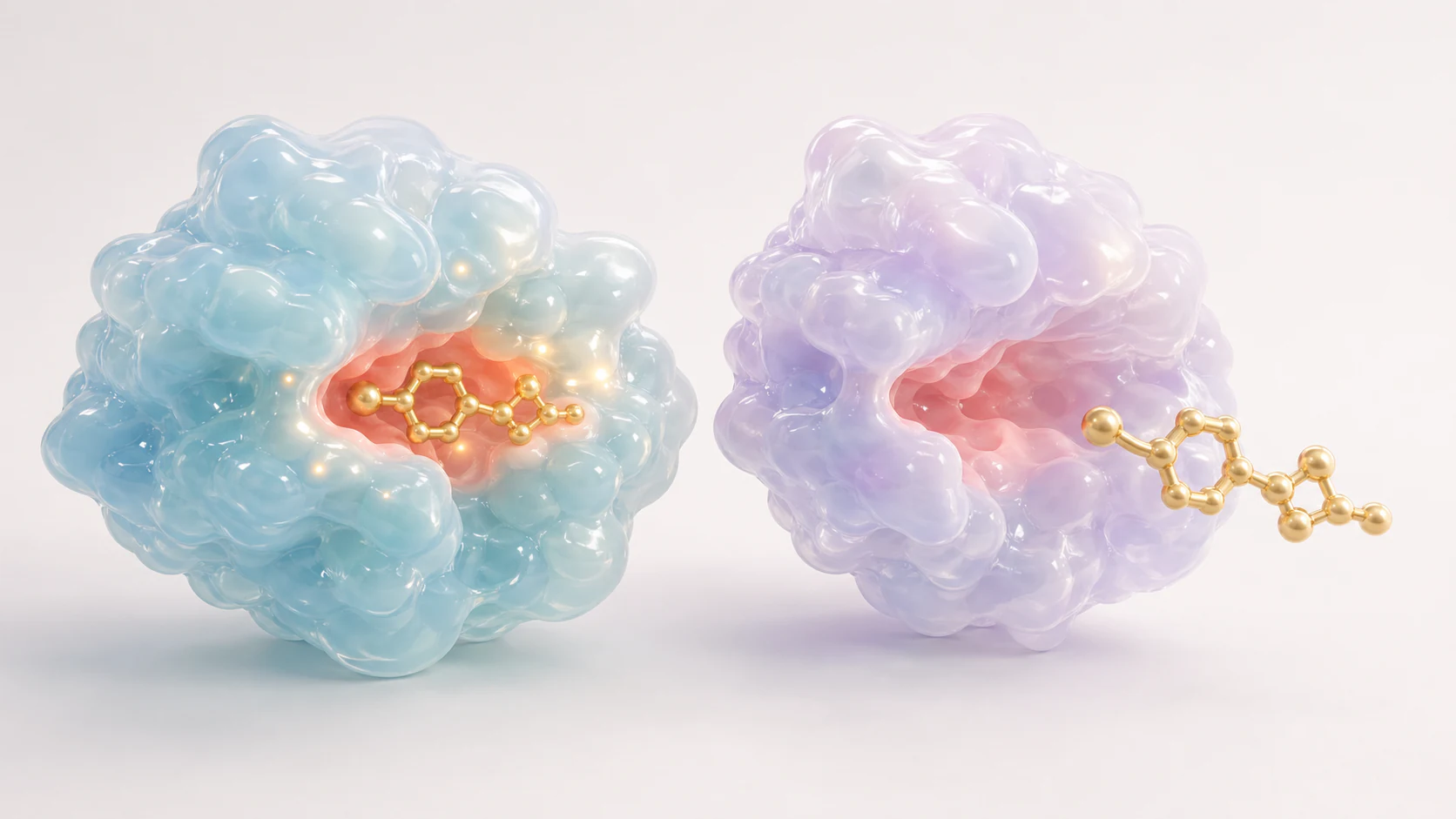
Selectivity and resistance are two of the highest-value reasons to commission kinase inhibitor animation. A team may need to show why a molecule avoids an off-target kinase, why a gatekeeper mutation changes engagement or why a next-generation compound restores potency. These ideas are difficult to explain with a flat pathway diagram because the claim lives in shape, access and fit.
A practical visual system compares only the differences that matter. One pocket can show a clean fit with the inhibitor seated in the binding cleft. A second pocket can show a shifted shape, blocked entry or reduced contact. The viewer does not need a complete structural biology lecture to understand the business point. They need to see why the design choice matters for differentiation, patient selection or lifecycle strategy.
The same restraint applies to resistance. Mutations, bypass signaling and feedback loops can all matter, but they should not arrive in the same frame. For animation, show the binding consequence first, then show the downstream signaling consequence. For a static render, show a focused comparison rather than a crowded network.
- Compare kinase pockets only when the contrast supports the claim.
- Show resistance as a change in fit before adding pathway escape.
- Keep inhibitor, kinase and signal colors stable across the whole asset set.
| Visual Claim | What the Buyer Needs to Understand | Best Asset Type |
|---|---|---|
| ATP-site competition | The inhibitor blocks the catalytic pocket | Binding sequence or hero render |
| Mutant selectivity | The molecule fits the intended kinase state | Side-by-side pocket comparison |
| Resistance escape | A structural or pathway change reduces response | Two-step mechanism animation |
Connect Binding to Signaling and Biomarkers
A kinase inhibitor story becomes commercially useful when the binding event connects to a biological outcome. The animation should show how target engagement changes phosphorylation, pathway activity, cell-state behavior or a biomarker readout. This connection is especially important for oncology, inflammation and rare disease programs where the audience must understand why molecular design should translate into response.
The sequence can stay simple. Start with the inhibitor approaching the kinase. Show pocket engagement. Then reduce or redirect the phosphorylation signal. Finally, connect that change to a cellular or tissue-level result. Each beat should answer one question before moving forward. What binds? What changes? Why does that change matter for the program?
This timing logic overlaps with GPCR signaling animation. In both cases, a molecular event becomes meaningful only when the audience can follow its downstream effect. A kinase story differs because the visual often needs to emphasize pocket fit, phosphorylation logic and resistance risk with unusual precision.
- Use one clear visual transition from binding to signal change.
- Show biomarker relevance only after the mechanism is established.
- Avoid crowding every pathway branch into one buyer-facing sequence.
Build Assets for Platform Decks and Launch Campaigns
Kinase inhibitor mechanism of action animation should rarely be treated as one isolated video. The same approved visual system can support investor slides, partner decks, medical education, conference booths, website sections, publication graphics and sales enablement. A cover render, a binding sequence, a selectivity comparison and a pathway outcome can all come from the same underlying asset kit.
That reuse is valuable because kinase programs evolve. Early discovery may focus on target rationale and selectivity. Preclinical updates may focus on pathway modulation and biomarkers. Clinical communication may need resistance, patient selection or combination strategy. If the core visual system is modular, the team can add evidence without redesigning the visual language every quarter.
This approach also helps scientific review. Structural biologists, translational scientists and commercial teams can approve the pocket abstraction, inhibitor styling and signal logic once. Future versions can adapt the same components for specific audiences while keeping the claim accurate and consistent.
- Plan hero renders, section images, slide crops and animation frames together.
- Keep pocket, ligand, substrate and pathway styling consistent.
- Create modular states for bound, unbound, mutant, inhibited and rescued scenes.
Use 3D Renders When Structure Carries the Value
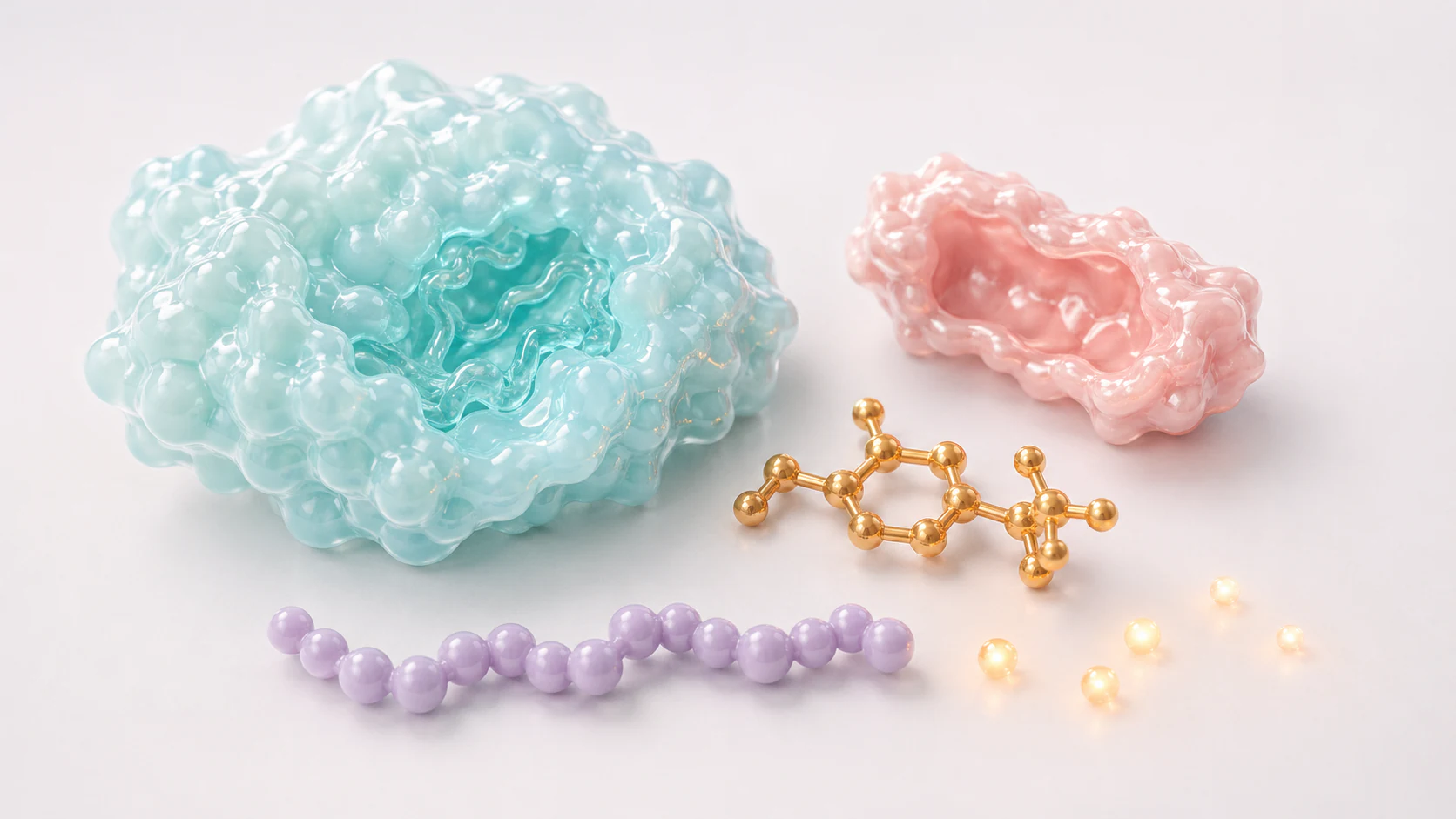
Not every kinase communication needs a full animation. Sometimes the highest-value asset is a strong 3D render that clarifies the pocket, the inhibitor and the claim in one glance. This is useful for landing pages, investor decks, conference graphics and article covers where the audience needs a quick visual signal of mechanism quality.
A render works best when it is designed as part of an animation-ready system. The pocket should have enough structure to feel credible. The inhibitor should be distinct. The color palette should create hierarchy without becoming noisy. The composition should leave enough negative space for web layouts and deck crops while keeping the biology recognizable.
The same principle applies to cryo-EM animation. Structure-rich topics need visuals that respect molecular context, but the commercial asset still has to be readable. A kinase render should make the binding claim feel precise without turning into a raw molecular viewer screenshot.
- Use a still render when the main job is fast comprehension.
- Use animation when timing, state change or signaling sequence matters.
- Design stills so they can become future motion assets.
FAQ About Kinase Inhibitor Mechanism of Action Animation
What is kinase inhibitor mechanism of action animation?
Kinase inhibitor mechanism of action animation is the process of turning kinase structure, inhibitor binding, pathway modulation, selectivity, resistance and biological response into clear 3D visuals or motion sequences for biotech and pharma communication.
When should a team use animation instead of a static kinase figure?
Use animation when the story depends on sequence, such as ligand approach, pocket engagement, conformational change, phosphorylation shutdown or resistance escape. Use a static render when the main need is a clear hero image or deck figure.
Does a kinase animation need atomic-level detail?
Not always. A scientific presentation may need residue-level accuracy. A buyer-facing mechanism asset often works better as a validated abstraction that shows the claim clearly while avoiding unsupported detail.
Can one kinase visual system support several programs?
Yes. A modular system can reuse kinase pockets, inhibitor styling, substrate signals and pathway response states while changing targets, mutations or therapeutic claims.
Next Step: Turn Kinase Biology Into a Buyer-Ready Visual Story
Kinase inhibitor mechanism of action animation is most useful when it turns structural and signaling complexity into a decision-ready story. The asset should help a buyer understand what the inhibitor binds, why the binding mode matters, how signaling changes and what the platform or program can claim with confidence.
Animiotics builds scientific figures, 3D renders and animation-ready systems for biotech teams that need targeted therapy, structural biology and oncology platform stories with accuracy and commercial discipline. If your team is preparing a partner deck, platform launch, conference campaign or investor update, start by defining the kinase claim that must be understood after the first viewing.
From there, the visual plan can turn pocket fit, selectivity, resistance and pathway response into a coherent asset system for slides, websites and motion. Open this template in Animiotics
- Align discovery, translational and commercial teams around one visual claim.
- Build modular kinase assets so future programs share one visual language.
- Prioritize mechanism clarity and buyer comprehension before cinematic detail.