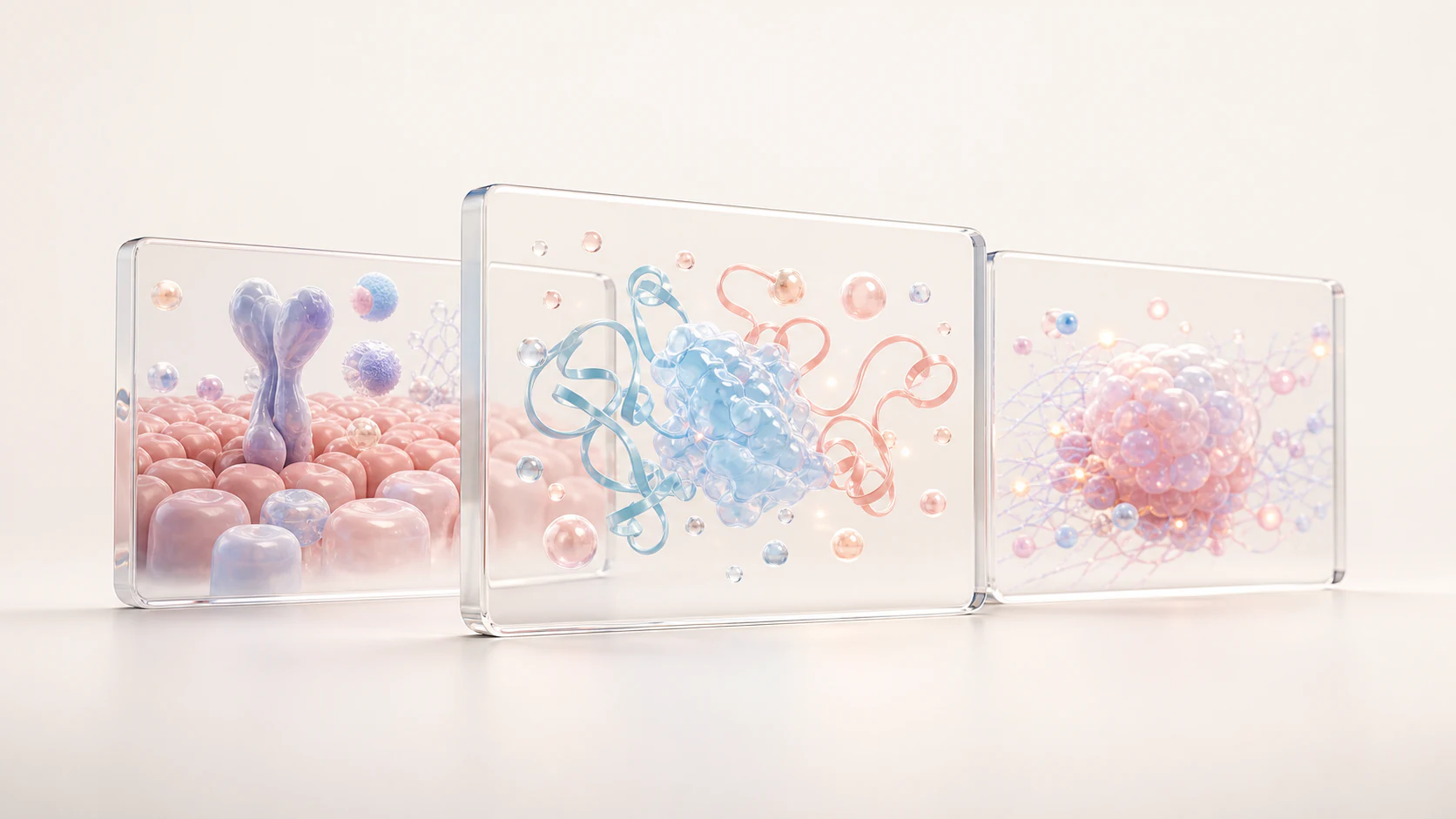
Biotech Pitch Deck Animation Services for Fundraising Teams
Biotech pitch deck animation services help founders, platform teams and business development leaders explain complex science in the short window that investors actually give a presentation. A strong deck visual is not decoration. It compresses mechanism, market logic and evidence into a sequence that makes the opportunity easier to evaluate.
The need is practical. Many biotech companies have real technical depth but only a few slides to prove why the biology matters. A viewer may not know the target class, modality or assay context. If the deck makes them decode dense pathway diagrams before they understand the value proposition, the conversation starts with friction.
Animiotics builds investor-ready scientific visuals that keep the biology accurate while making the story easier to inspect. The goal is to help the deck show what the platform does, why the mechanism is differentiated and how the evidence supports the next financing, partnership or diligence conversation.
This is especially useful when a company is moving from technical founder conversations into broader fundraising. The same story must work for investors who understand the category deeply and for decision makers who need the scientific thesis in plain visual terms. A deck animation can bridge that gap without flattening the science.
Why Static Biotech Decks Lose Scientific Momentum
A static slide can work when the audience already knows the mechanism. It often fails when the deck needs to introduce a platform, show target engagement, explain delivery and connect that biology to commercial promise. Those ideas unfold over time. When they are squeezed into one crowded figure, the audience has to choose where to look before they know what matters.
Animation solves this by controlling order. The therapeutic actor appears first. The target context follows. The relevant biological consequence is revealed only after the viewer understands the setup. This sequence keeps scientific complexity intact while reducing the cognitive load of the slide.
The same principle appears across related Animiotics work on biotech investor deck scientific visualization and mechanism of action animation services. The best deck visuals do not simply look premium. They make the claim easier to follow.
A good visual sequence also protects the presenter. Instead of spending the first minutes explaining what each arrow means, the team can focus on why the biology creates an investable advantage. That shift changes the meeting from diagram interpretation to strategic discussion.
What Investors Need to Understand First

Before production starts, the team should decide what an investor must understand after the first pass through the deck. For some companies, that answer is platform repeatability. For others, it is a specific therapeutic mechanism, a delivery advantage, a biomarker signal or a differentiated way to select targets.
This matters because each answer needs a different animation structure. A platform story may need modular scenes that show how one engine produces several programs. A lead asset story may need a tight mechanism sequence with clear target engagement. A partnering story may need evidence boundaries, competitive context and a visual bridge from assay data to clinical rationale.
A useful biotech deck animation starts with the decision the asset needs to support. It should make a diligence question easier to answer, not just fill a blank slide. That focus keeps the visuals commercially useful.
Teams should also define the level of certainty behind each visual claim. Solved structures, assay results, animal data, patient stratification logic and platform hypotheses all deserve different visual treatment. Clear boundaries make the story more credible during investor review.
- Show the platform promise before adding technical depth.
- Make the therapeutic actor visible before pathway effects appear.
- Separate measured evidence from inferred biology.
- Design the animation so still frames also work inside the deck.
From Platform Biology to Slide Sequence
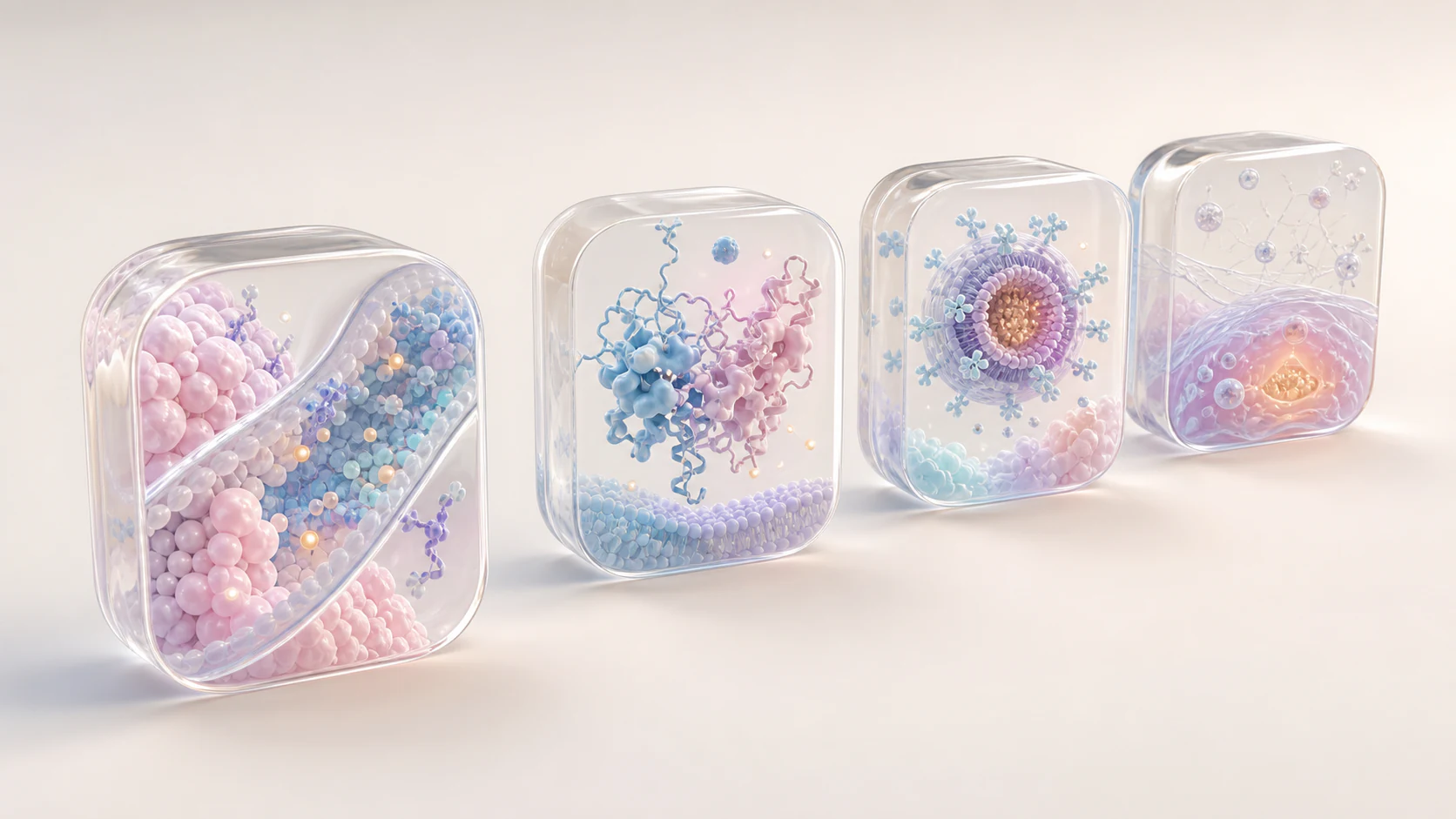
The strongest investor deck animation services turn the science into a reusable slide sequence. A deck may need a single hero visual, but the same scene library can also produce a mechanism slide, a pipeline overview, a technology platform page and still figures for follow-up materials.
That reuse is valuable because biotech teams repeat the same story in many formats. The CEO may need a concise fundraising deck. The scientific founder may need a deeper partner appendix. The website may need a short motion loop. Conference materials may need static figures with the same visual grammar. A coordinated visual system prevents each asset from feeling like a separate one-off.
Animiotics plans these systems around core biological scenes. A receptor interface, tissue compartment, delivery vehicle, protein complex or cellular response can be rendered once and adapted across the deck. This approach gives teams consistency without sacrificing scientific specificity.
Choosing the Right Animation Depth for a Pitch Deck
Investor decks rarely need the maximum possible structural detail on every slide. Too much detail can slow the story because viewers begin inspecting surfaces, labels or background pathways instead of understanding the decision. The right animation depth depends on where the slide sits in the narrative.
A first-meeting deck usually benefits from clear forms, selective biological context and a short reveal sequence. A diligence deck can include more mechanistic precision, data references and alternative states. A board or partner presentation may need the same visual language but with additional detail in backup slides.
The best choice is often a layered approach. The main slide communicates the core idea quickly, while supporting stills provide depth when the conversation moves into technical review.
| Deck moment | Visual depth | Commercial purpose |
|---|---|---|
| Opening platform slide | Simple animated system view | Helps investors grasp the company thesis fast. |
| Lead program mechanism | Target engagement with clear biological consequence | Connects modality design to disease-relevant action. |
| Evidence slide | Assay context with selective data visual support | Makes proof points easier to discuss during diligence. |
| Partner appendix | More detailed mechanism and platform variants | Supports technical review without crowding the main story. |
Where Animated Deck Visuals Create Buyer Confidence
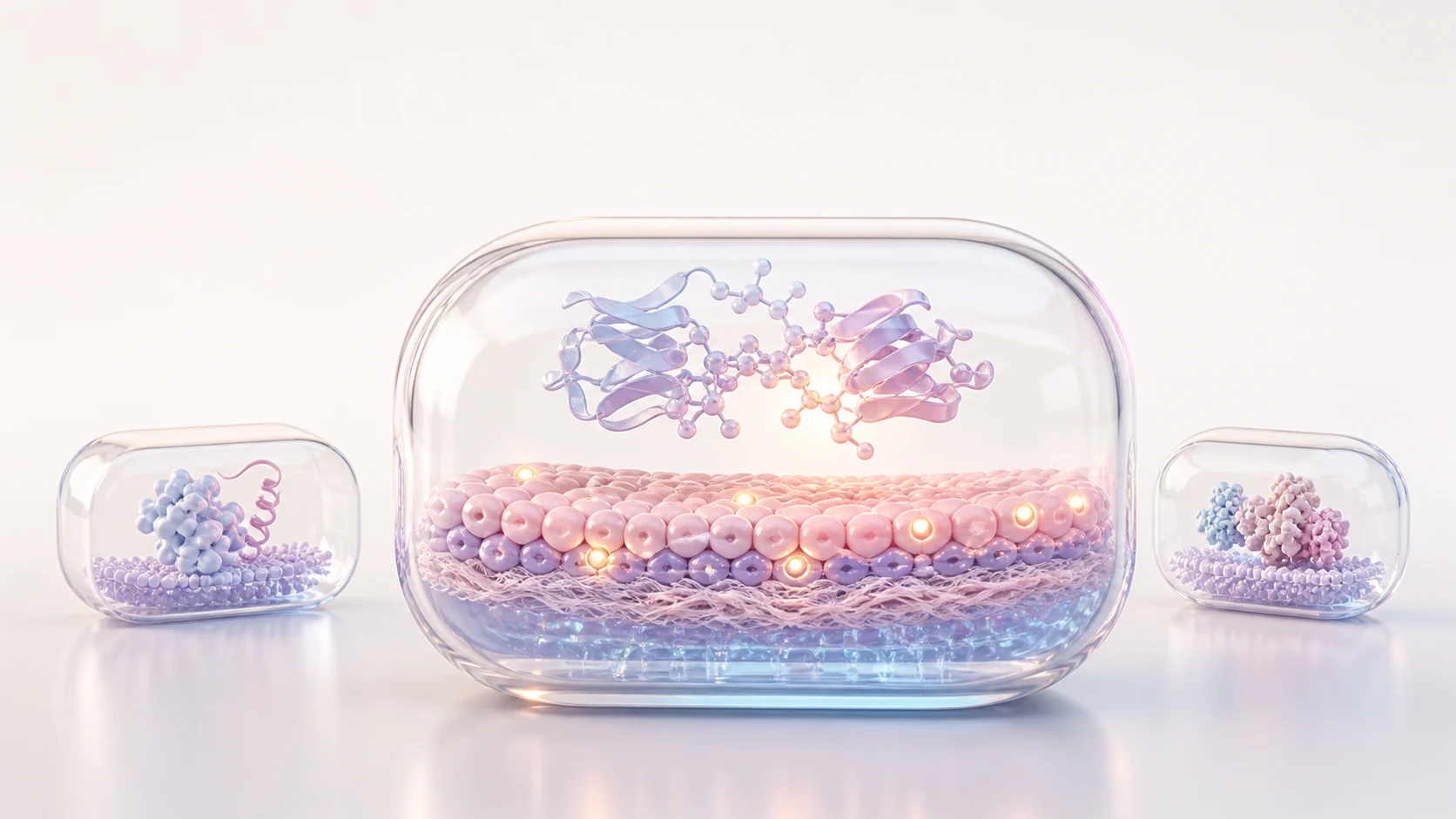
Animated deck visuals create confidence when they help a buyer, investor or partner understand the science without needing a long verbal rescue. A polished mechanism sequence can show why a modality is plausible. A platform animation can show how one workflow leads to repeatable program creation. A tissue-context scene can show why an assay or biomarker is relevant.
This does not mean every deck needs cinematic motion. Often the most valuable deliverable is a controlled asset set: a short loop, a few clean still frames and a sequence of slide-ready renders. These assets make the story feel consistent across the website, pitch deck, data room and conference materials.
Related Animiotics posts on drug discovery animation services and translational biomarker visualization services show how visual systems help teams move from research evidence to commercial explanation.
- Use motion to reveal sequence, hierarchy and causality.
- Keep still frames clean enough for investor slide review.
- Match visual abstraction to the available evidence.
- Build assets that can support website, deck and diligence use.
How Animiotics Builds Biotech Deck Animation Assets
A deck animation project starts with technical intake. Animiotics reviews the platform thesis, therapeutic modality, current slides, target audience, evidence package and claims that must remain scientifically bounded. This turns a broad request into a practical scene plan.
Next, we map the story into a slide-ready visual sequence. The team defines which scenes need motion, which should become still figures and which assets should be reusable across the deck. Early still frames give stakeholders a clear review point before animation production moves deeper.
Final outputs can include transparent-loop animations, widescreen cover renders, still figures, slide crops, short social clips and visual assets for the company website. The result is a presentation system that can support fundraising, partnering, recruiting and scientific education with a consistent visual standard.
The process is built for review by scientific and business stakeholders. Scientists can check whether the biology is represented responsibly, while executives can confirm that the story supports the meeting goal. That dual review keeps the final deck useful for both technical credibility and commercial momentum.
FAQ About Biotech Pitch Deck Animation Services
When should a biotech company use pitch deck animation services?
A company should use them when the science is commercially important but difficult to understand from static slides alone. This is common for platform biology, new modalities, delivery systems, mechanism stories and complex assay evidence.
How long should an investor deck animation be?
Many deck animations work best as short loops or concise sequences that can be paused during a live presentation. The point is not to create a long video inside the deck. The point is to make one key scientific claim easier to understand.
Can animated visuals be reused outside the pitch deck?
Yes. A good production plan can create cover renders, website loops, still figures, conference assets and diligence visuals from the same scene library.
Do biotech deck visuals need exact molecular structures?
Exact structures are useful when they support the claim, but they are not required for every investor story. Responsible abstraction can communicate platform logic without implying unsupported structural certainty.
Ready to Build Investor-Ready Biotech Animation
Biotech pitch deck animation services are most valuable when they help a team explain the company faster and with more confidence. The right assets can make platform biology, mechanism, evidence and therapeutic differentiation easier to discuss in the room.
If your team needs a polished deck animation, scientific visual system or investor-ready figure set for a raise, partner meeting or launch, Animiotics can help translate the science into clear visual assets. Start with Animiotics or use /pricing?from=blog to scope the right asset set for your next presentation.