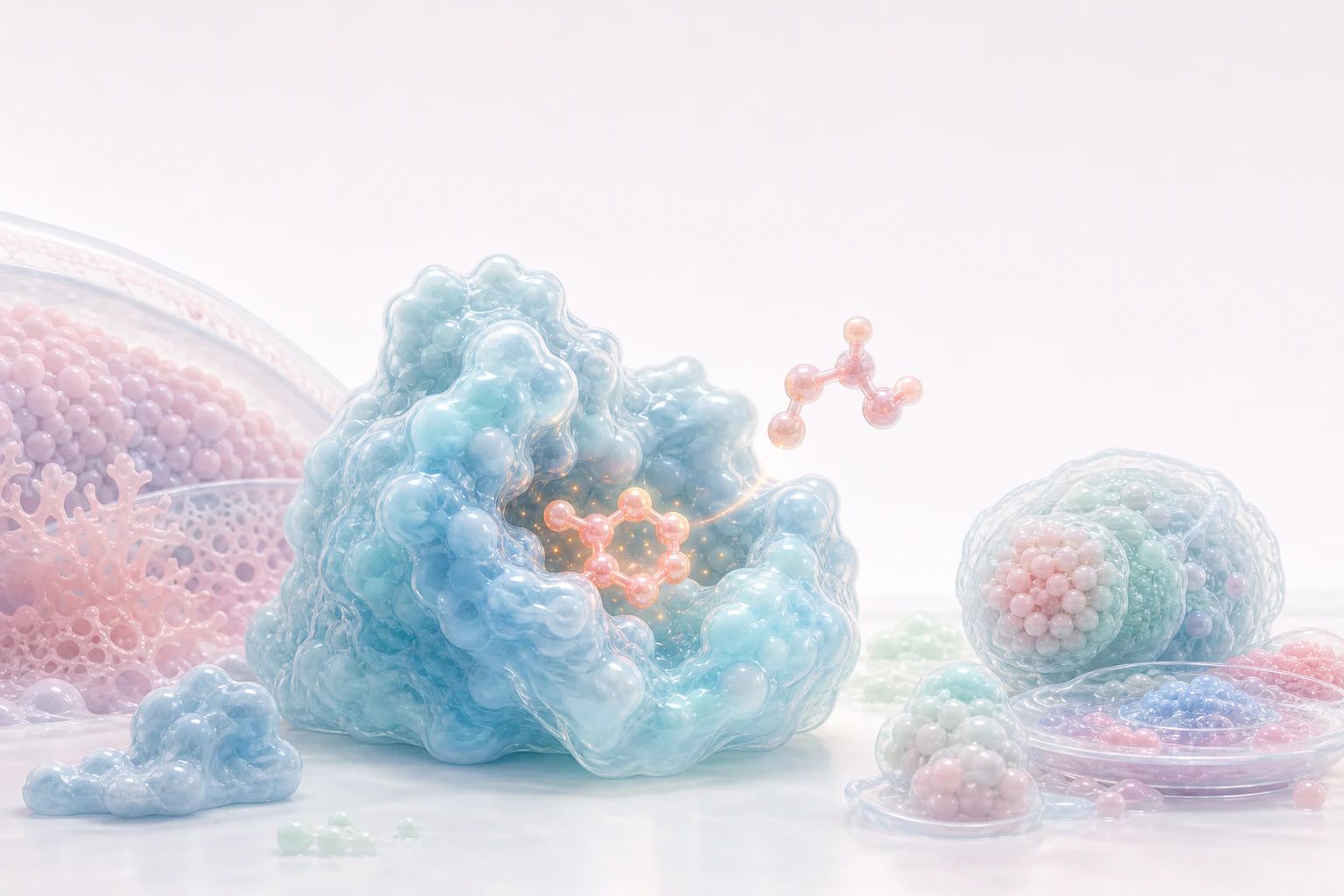
Why Drug Discovery Animation Services Matter
Drug discovery animation services turn early scientific logic into visuals that decision-makers can inspect quickly. Discovery teams often need to explain target selection, assay strategy, screening output, medicinal chemistry progress, structural biology, target engagement and translational relevance before a program has the simple story of a late-stage therapeutic. That complexity is exactly why polished scientific animation can create commercial value.
A clear discovery visual does more than decorate a deck. It shows why a target matters, how the team interrogates the biology, what evidence connects a candidate to a mechanism and where the platform has repeatable leverage. Investors, pharma partners and internal leadership may not need every assay detail in the first meeting, but they do need to understand why the discovery engine deserves confidence.
For Animiotics clients, the strongest drug discovery animation services usually produce a reusable asset system. A target render can support investor meetings. A screening workflow still can support business development. A mechanism sequence can support a conference talk. A translational evidence figure can support a partner diligence room. Consistency across those assets helps the company look rigorous while keeping the science easy to follow.
- Use discovery visuals to connect target biology with product potential.
- Separate target, screening, mechanism and evidence claims into focused scenes.
- Build still figures and animation scenes from one coherent visual identity.
Start With a Discovery Story Map
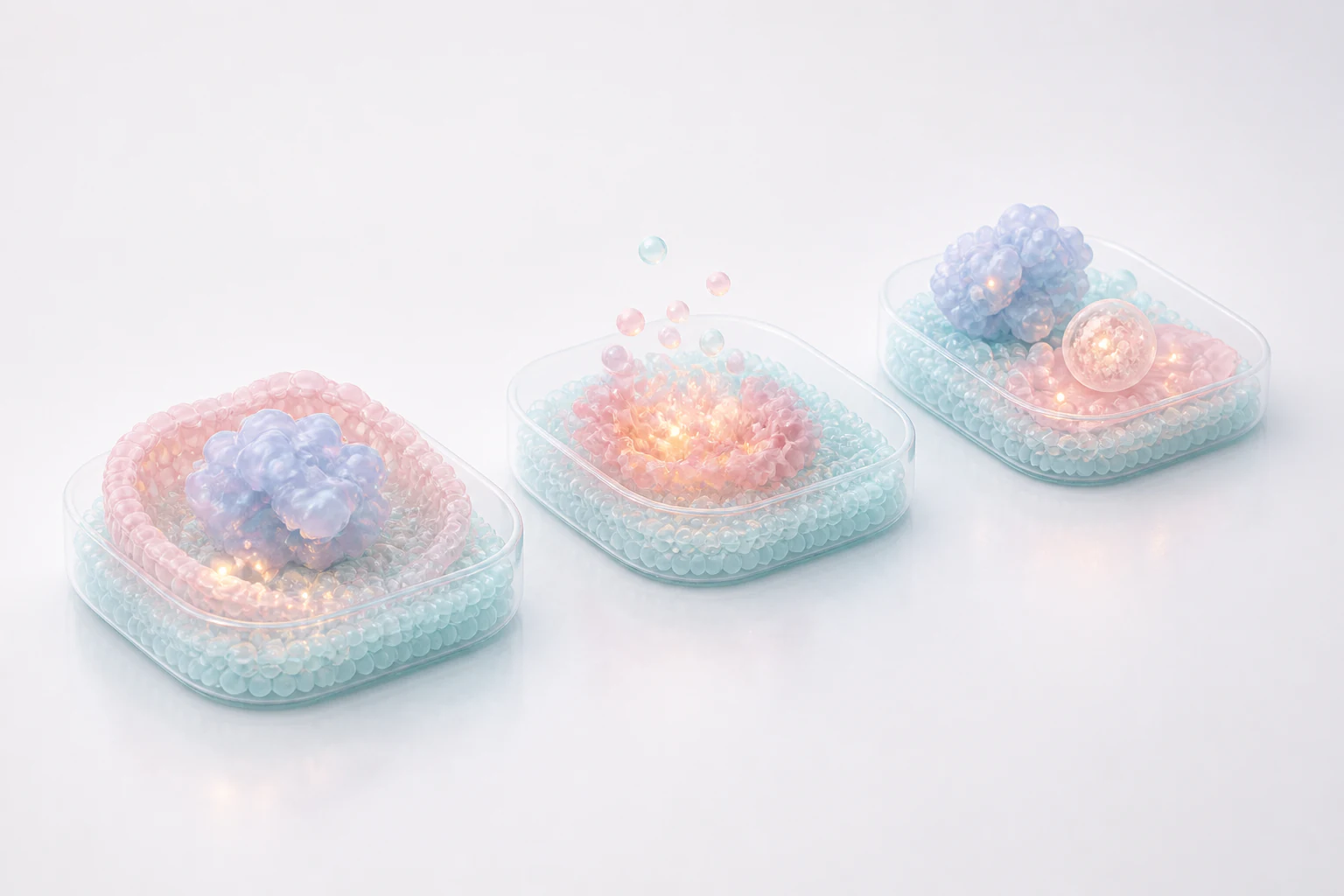
A useful discovery animation project starts with a story map rather than a render request. The team should decide which claim needs to land first: target validation, screening quality, hit expansion, binding mode, functional response, selectivity, disease context or platform scalability. If that hierarchy is missing, even a beautiful 3D animation can feel unfocused.
The story map usually moves from biological question to evidence path. A target biology scene explains why the system matters. A screening or assay scene explains how the team finds and ranks candidates. A structural or target engagement scene explains the mechanism. A translational scene connects the mechanism to disease-relevant biology. This sequence helps non-specialists understand both the scientific method and the commercial opportunity.
This approach also keeps drug discovery animation services practical. A partner deck may need a compact version that explains why the platform can find better candidates. A scientific presentation may need a deeper view that connects structural biology with protein-ligand interaction visualization and kinase inhibitor mechanism of action animation. A website may need only a hero render plus a short loop.
- Define the one decision each visual should support.
- Map discovery evidence before choosing render detail.
- Keep target, assay and mechanism scenes visually connected but not crowded.
Make Target Biology Easy to Read
Target biology is often the first commercial challenge. A discovery team may have strong rationale for a receptor, enzyme, protein complex, RNA target, pathway node or tissue-specific process, but the explanation can become dense when it depends on pathway diagrams alone. A polished 3D render can give the target a recognizable form and make the biology feel concrete.
The level of visual detail should match the evidence. If a structure is known, the scene can use a simplified surface, pocket or complex view. If the target biology is more conceptual, the render can use a restrained cellular context that shows where the target acts without implying unsupported atomic precision. That distinction matters because buyers and reviewers notice when visuals overclaim.
Good target visuals also protect attention. They avoid packing every pathway participant into one frame. Instead, the target is framed as the main object, surrounding biology is simplified and the evidence path is left for later scenes. This lets the audience absorb the target before they are asked to evaluate screening strategy or mechanism.
- Show the target as a clear visual anchor.
- Match structural detail to available evidence.
- Use cellular or tissue context only when it clarifies the claim.
Explain Screening and Hit-to-Lead Progress
Screening can be difficult to communicate because the value sits in a process. Teams need to explain assay design, quality controls, library logic, hit triage, structure-activity relationships and candidate prioritization without making the audience read a methods section. Drug discovery visualization can convert that process into a sequence of clean decisions.
A screening scene should not look like a fake dashboard. It should show the biological input, the measurement concept and the candidate selection logic in a way that feels scientific rather than administrative. For example, an assay context can show target-bearing cells or protein forms with restrained signal points. A hit-to-lead scene can show candidate families becoming more refined as evidence improves.
This is where animation is useful. Motion can show many candidates entering a screen, fewer candidates advancing and one mechanism-relevant candidate moving into a binding or functional context. The viewer understands that the program is not a single lucky molecule. It is a disciplined discovery process that generates evidence.
- Represent screening as a decision sequence rather than a chart dump.
- Show candidate refinement without inventing numeric results.
- Reserve detailed assay values for companion figures or tables.
Connect Target Engagement With Mechanism
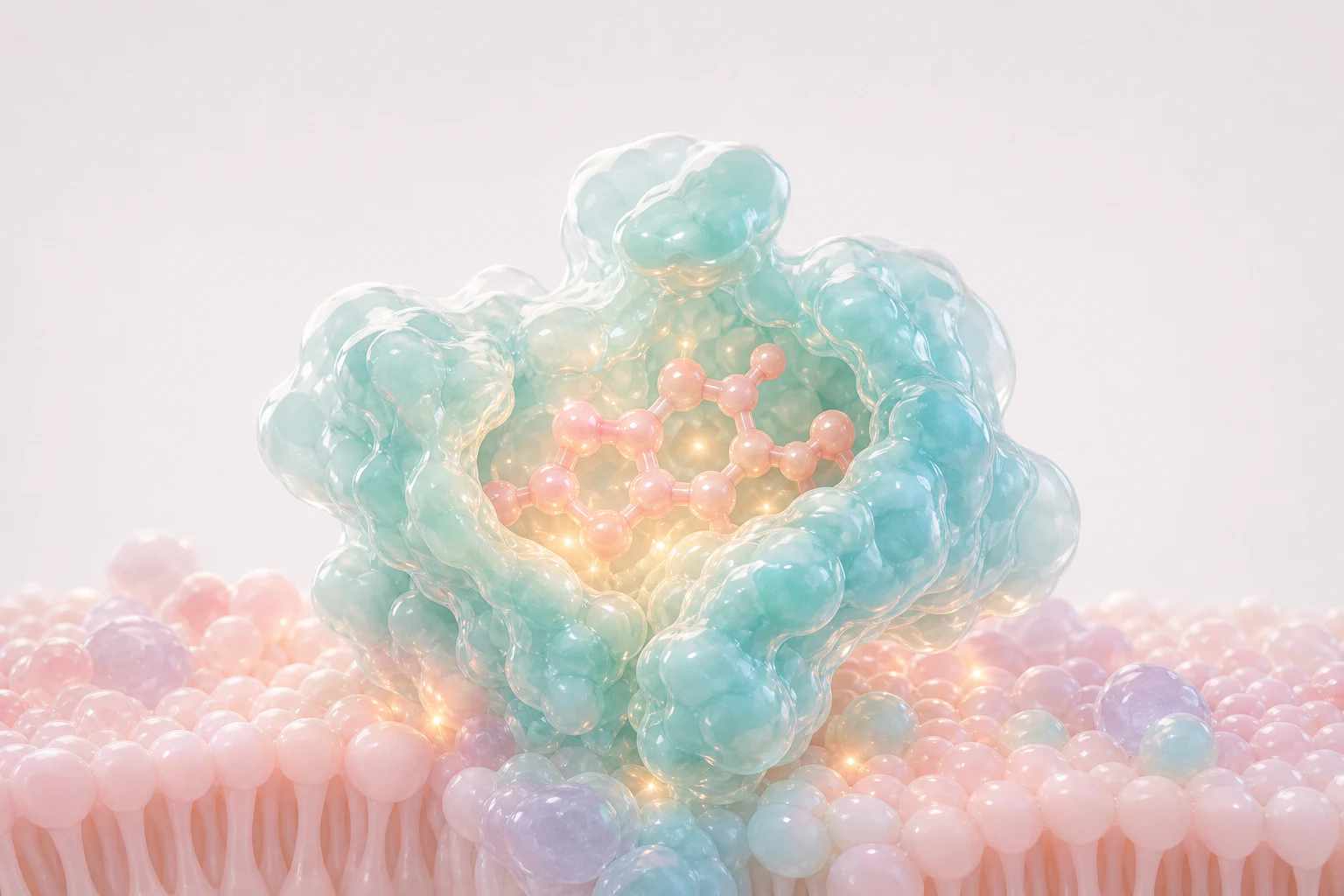
Target engagement is the bridge between discovery output and mechanism confidence. A candidate can look promising in a screen, but the commercial story becomes stronger when the audience sees how it contacts the target and what changes after engagement. That is why mechanism of action animation services often sit at the center of a discovery asset set.
For small molecules, a target engagement render can show a ligand entering a clean pocket and stabilizing a relevant state. For biologics or larger modalities, it can show interface binding or receptor clustering with simple motion. For platform teams, the same visual grammar can be reused across multiple targets while changing the pocket, candidate or cellular context.
The goal is not to turn every scene into an atomistic simulation. The goal is to connect evidence with action. If the structure is known, the visual can make binding mode more explicit. If the program is earlier, the animation can keep the interaction conceptual and focus on the downstream functional response. That balance keeps the work persuasive, accurate and useful in partner conversations.
- Show engagement before showing broad downstream effects.
- Use motion to connect binding with functional response.
- Keep uncertain binding details visually restrained.
Turn Discovery Evidence Into Client-Ready Assets
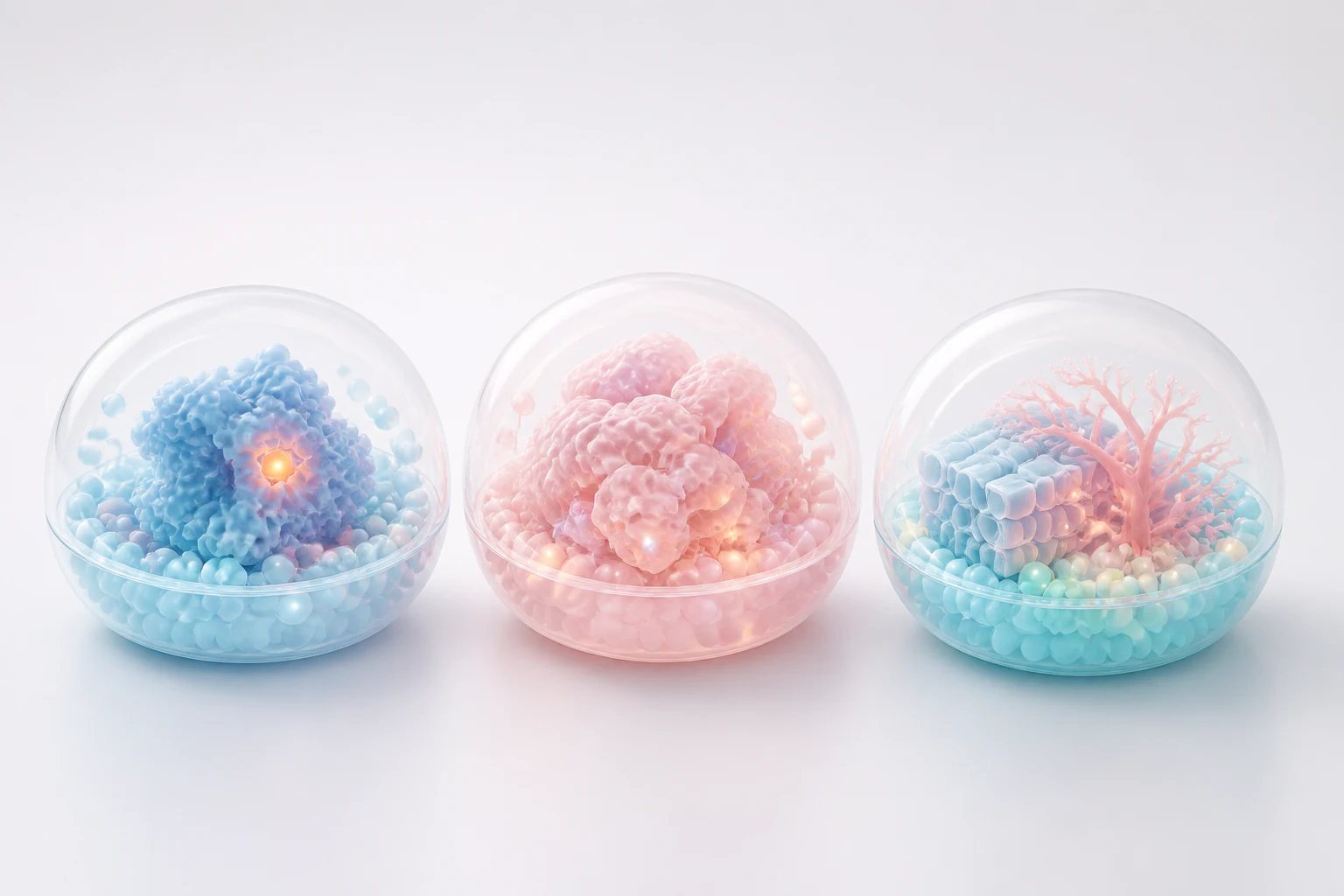
Drug discovery animation services become most valuable when the output is planned for real business uses. A discovery team may need investor-deck figures, partner diligence visuals, conference graphics, website renders, manuscript figures and internal alignment material. Those formats need different levels of detail, but they should feel like one scientific system.
A client-ready asset system usually includes a cover or hero render, a target biology still, a screening or platform process still, a target engagement sequence and a translational evidence scene. Each asset has one job. Together, they make the discovery program easier to evaluate because the viewer can follow the path from biological problem to candidate evidence.
This workflow aligns with biotech investor deck scientific visualization because discovery companies often sell confidence before they sell late clinical proof. A coherent visual system helps teams show what is known, what is differentiated and what still needs to be tested.
- Plan assets around meetings, web pages, publications and partner review.
- Use consistent materials and scale cues across the full discovery story.
- Create concise visuals for first meetings plus deeper versions for diligence.
Storyboard Drug Discovery Figures and Animation
A storyboard keeps drug discovery animation services focused on scientific decisions rather than visual decoration. Each scene should have a defined claim, evidence boundary, audience and reuse case. That structure also makes review easier because scientists can approve the intended message before the render becomes expensive to revise.
The table below is a practical starting point for biotech teams planning discovery figures, 3D renders or short scientific animation assets.
| Scene | Visual focus | Motion or change | Business purpose |
|---|---|---|---|
| Target biology | Target structure or cellular context with simplified surrounding biology | Camera moves from disease context toward the target | Explain why the program matters |
| Screening strategy | Assay context and candidate families shown as clean scientific forms | Many inputs narrow to prioritized candidates | Show discovery discipline |
| Target engagement | Candidate binds a pocket, interface or receptor context | Binding changes target state or signal behavior | Connect hits with mechanism |
| Functional response | Cellular or pathway state changes after engagement | Signal pattern shifts after candidate action | Link mechanism to biology |
| Platform expansion | Reusable target and candidate visual language across programs | One visual grammar adapts to multiple targets | Support partner and investor confidence |
FAQ About Drug Discovery Animation Services
What should drug discovery animation services include?
A useful project should include target biology, screening or assay strategy, candidate prioritization, target engagement, functional response and the translational evidence that supports the program.
How long should a drug discovery animation be?
Many commercial uses work well as a 45 to 90 second sequence plus still renders for decks and websites. Partner diligence or scientific conference versions may need more detail and clearer evidence boundaries.
Can early discovery teams use animation before a lead is selected?
Yes. Early teams can use conceptual visuals to explain target rationale, platform method and assay logic as long as the scenes avoid unsupported precision.
How detailed should binding scenes be?
Detail should match the evidence. Known structures can support more specific binding views. Earlier programs usually benefit from restrained conceptual target engagement scenes.
CTA: Plan Drug Discovery Visuals With Animiotics
Animiotics helps biotech, platform and research teams turn discovery science into clear scientific figures, polished 3D renders and mechanism animation assets. The best starting point is a focused visual plan that covers target biology, screening strategy, target engagement, evidence and commercial use cases.
If your team is preparing an investor deck, partner package, conference visual system, manuscript figure set or launch page, Animiotics can help translate the discovery program into a coherent asset set that looks premium without losing scientific credibility.
- Use this workflow when target biology, screening strategy or mechanism evidence needs to be explained clearly.
- Bring target claims, assay evidence and intended use cases into the first visual planning pass.