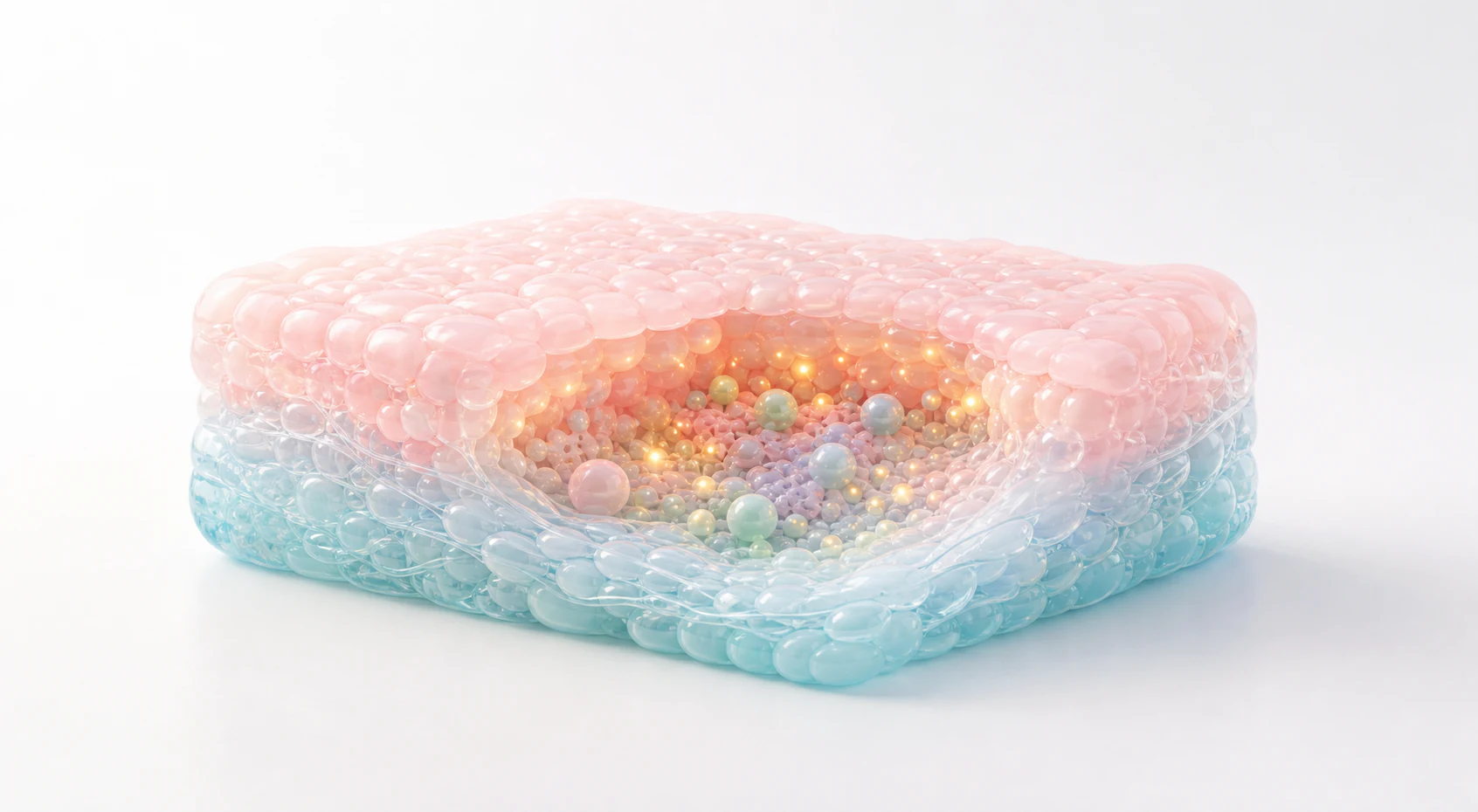
Why Translational Biomarker Visualization Services Matter
Translational biomarker visualization services matter because biomarker stories sit between discovery science, program strategy and clinical evidence. A team may have strong assay data, spatial biology, single-cell results, pharmacodynamic markers or patient stratification logic, but those assets can become hard to evaluate when they appear as disconnected plots and dense technical slides.
Biomarker visuals give reviewers a working model. They show which biological signal matters, where it appears, how it changes after intervention and why that change supports a therapeutic or platform decision. The goal is not to make the data look simpler than it is. The goal is to make the interpretation visible enough for scientific diligence, business development and internal decision meetings.
For biotech teams, the commercial value is direct. Better biomarker figures can support investor decks, partner presentations, clinical advisory boards, conference posters and manuscript packages. When the visual system is planned early, the same biomarker language can carry from target rationale through translational evidence and into clinical positioning.
- Use biomarker visuals to connect assay readouts with biological decisions.
- Separate discovery markers, pharmacodynamic markers and patient-selection markers.
- Build reusable figures that support decks, papers and partner diligence.
Start With the Biomarker Decision, Not the Data Type

A useful biomarker figure begins with the decision it needs to support. The question may be whether a target is active in the right tissue, whether a drug modulates a pathway, whether a model predicts human response or whether a patient subgroup can be identified. If the visual starts with the decision, the data can be arranged around a clear scientific claim.
This prevents the common problem of treating every assay as equal. RNA expression, protein staining, cytokine panels, imaging readouts, pathway scores and clinical labs may all be relevant, but each one does a different job. A discovery marker builds rationale. A pharmacodynamic marker shows biological engagement. A response marker helps explain outcome. A selection marker helps define the right patient or sample group.
This discipline is similar to the visual planning used in single-cell multiomics visualization. The data can remain technically rich while the story becomes easier to follow. Translational biomarker visualization services should make the reason for each data layer obvious before the audience studies the details.
- Name the decision before designing the figure.
- Assign each biomarker to a role in the program story.
- Keep the first visual simple enough to guide the rest of the evidence.
Map Biomarkers Across Discovery, Validation and Translation
Biomarker stories often break down because discovery evidence and translational evidence are shown in separate visual languages. The target biology appears in one style, assay validation appears in another and clinical translation appears as a third unrelated set of charts. A better system maps the biomarker across stages so the audience can see continuity.
For example, a target-expression marker can appear first in a tissue context figure, then in a validated assay panel and later in a patient-selection rationale. A pathway marker can appear first in a mechanism figure, then in a pharmacodynamic readout and later in a responder hypothesis. Each stage adds evidence without forcing the audience to relearn the visual model.
This is where custom renders and scientific figures can outperform generic templates. The same tissue, cell, molecular target or signal object can be reused across stages. That continuity helps platform teams show that the biomarker is not an isolated data point. It is part of a program logic that can be tested and refined.
- Show how the same marker changes role across the program.
- Use consistent colors and forms from discovery to clinical translation.
- Avoid rebuilding the visual metaphor for every new assay.
| Biomarker Role | Visual Need | Commercial Value |
|---|---|---|
| Target rationale | Tissue or cell-context figure | Shows why the biology is worth pursuing |
| Pharmacodynamic signal | Mechanism-linked assay visual | Shows whether intervention changes biology |
| Patient selection | Cohort and tissue signal story | Supports clinical strategy and partnering |
Turn Assay Panels Into a Mechanism Story
Assay panels can be persuasive to technical reviewers, but they often need visual context for mixed audiences. A slide full of readouts may prove that a signal moved, yet it may not explain why that movement matters. Translational biomarker visualization services can pair assay panels with mechanism-linked scenes that show what the measured signal represents biologically.
A strong figure can show target engagement, pathway modulation, immune activation, tissue penetration or cell-state change beside the readout that supports it. The visual does not replace the data. It gives the data an interpretive frame. This is especially useful when the audience includes investors, business development teams, clinical advisors and scientists from adjacent fields.
The same approach supports protein-ligand interaction visualization because molecular events only become valuable when they connect to a broader biological effect. Biomarker visuals should make that connection clear without overstating evidence that is still early.
- Pair key assay results with the biological event they support.
- Use the same visual signal for the marker across mechanism and data slides.
- Calibrate visual certainty to the maturity of the evidence.
Design Biomarker Figures for Partner and Investor Diligence

Partner and investor diligence require a different level of clarity than internal research meetings. Reviewers need enough scientific detail to trust the claim, but they also need to understand the strategic meaning quickly. Biomarker figures should show what was measured, why it was measured and how the result changes the program thesis.
This is not just a design issue. It affects how a platform is evaluated. A therapeutic company may need to show that a biomarker supports dose selection, target engagement or responder enrichment. A platform company may need to show that a biomarker validates a model, assay system or discovery engine. A diagnostics company may need to show how a marker becomes a practical readout.
A useful diligence visual has a clear hierarchy. The scientific claim comes first, the biomarker role comes second and the supporting data follows. 3D tissue renders, clean mechanism figures and restrained data-context graphics can make the story feel concrete while preserving the technical evidence needed for deeper review.
- State the biomarker claim before showing dense data.
- Separate evidence for mechanism, dose response and patient selection.
- Use custom visuals when platform differentiation depends on biological context.
Connect Spatial, Omics and Imaging Biomarkers
Modern biomarker programs often combine spatial biology, transcriptomics, proteomics, imaging and functional assays. These data types are powerful, but they can become visually fragmented. A translational story needs to show where the signal appears, which cells carry it, how it relates to pathway activity and whether it connects to response.
Spatial and omics data are especially useful when they are presented as biological evidence rather than decorative heatmaps. A tissue cutaway, cell neighborhood render or signal-gradient figure can establish context before the detailed plots appear. The visual can then point the audience toward the cell state, tissue region or marker combination that matters.
This approach builds on the logic behind spatial transcriptomics visualization. The tissue map is strongest when it supports a decision. For biomarker communication, the decision may be target validation, mechanism confirmation, sample stratification or translational confidence.
- Use tissue context to make omics signals easier to interpret.
- Show marker combinations as biological patterns, not just data layers.
- Keep spatial visuals restrained enough to sit beside real results.
Build a Reusable Biomarker Visual Asset System

A biomarker visual system should not be a one-off slide request. Programs evolve, assays mature and clinical questions change. If the core biomarker assets are modular, a team can update a figure for a new cohort, new tissue model, new pathway signal or new partner deck without rebuilding the story from scratch.
A reusable system may include a tissue environment, a marker library, a cell-state visual, a molecular mechanism scene, assay-context panels and still frames that can become animation assets later. This is valuable for teams that need consistent communication across investor decks, websites, conference campaigns, manuscripts and internal program reviews.
For Animiotics clients, this is often where the return on visual work compounds. A single polished render system can support a cover image, a mechanism sequence, a translational evidence slide and a future animation. The key is to plan the assets around the scientific claim and the commercial use cases instead of treating each image as a separate deliverable.
- Create shared tissue, marker and mechanism assets for repeated use.
- Design still figures so they can become future animation frames.
- Attach scientific review notes to each approved visual abstraction.
FAQ About Translational Biomarker Visualization Services
What are translational biomarker visualization services?
Translational biomarker visualization services turn biomarker assays, tissue context, omics data, imaging results and clinical signals into clear scientific figures, 3D renders and animation-ready assets for biotech communication.
Who needs biomarker visualization support?
Biotech companies, pharma teams, platform groups, diagnostics companies and research teams use biomarker visuals when they need to explain target rationale, mechanism, pharmacodynamics, patient selection or response biology to mixed audiences.
Do biomarker visuals replace real assay data?
No. Good biomarker visuals support the data by explaining the biological meaning of a readout. The figure should make the evidence easier to interpret without hiding uncertainty or changing the scientific claim.
Can the same biomarker assets be used in a deck, paper and website?
Yes. A modular visual system can create investor figures, manuscript graphics, website visuals, conference assets and animation frames from the same approved scientific language.
Next Step: Build a Biomarker Story That Buyers Can Understand
Translational biomarker visualization services are most useful when they turn complex evidence into a clear program story. The audience should understand which signal matters, where it appears, how it changes and why that change supports the next scientific or commercial decision.
Animiotics builds scientific figures, 3D renders and animation-ready visual systems for biotech teams that need to explain biomarkers across discovery, translational research, investor decks, partner meetings and clinical communication. The process starts with the decision the biomarker must support, then turns assays and mechanism into reusable visual assets.
If your team is preparing a biomarker story for fundraising, partnering, a publication or a platform launch, start by identifying the one signal that must be remembered after the meeting. From there, a focused visual system can make the science clearer, more credible and easier to reuse across the whole campaign. Open this template in Animiotics
- Choose the biomarker decision before designing the figure.
- Connect assay readouts to mechanism and tissue context.
- Build reusable assets for decks, websites and future animation.