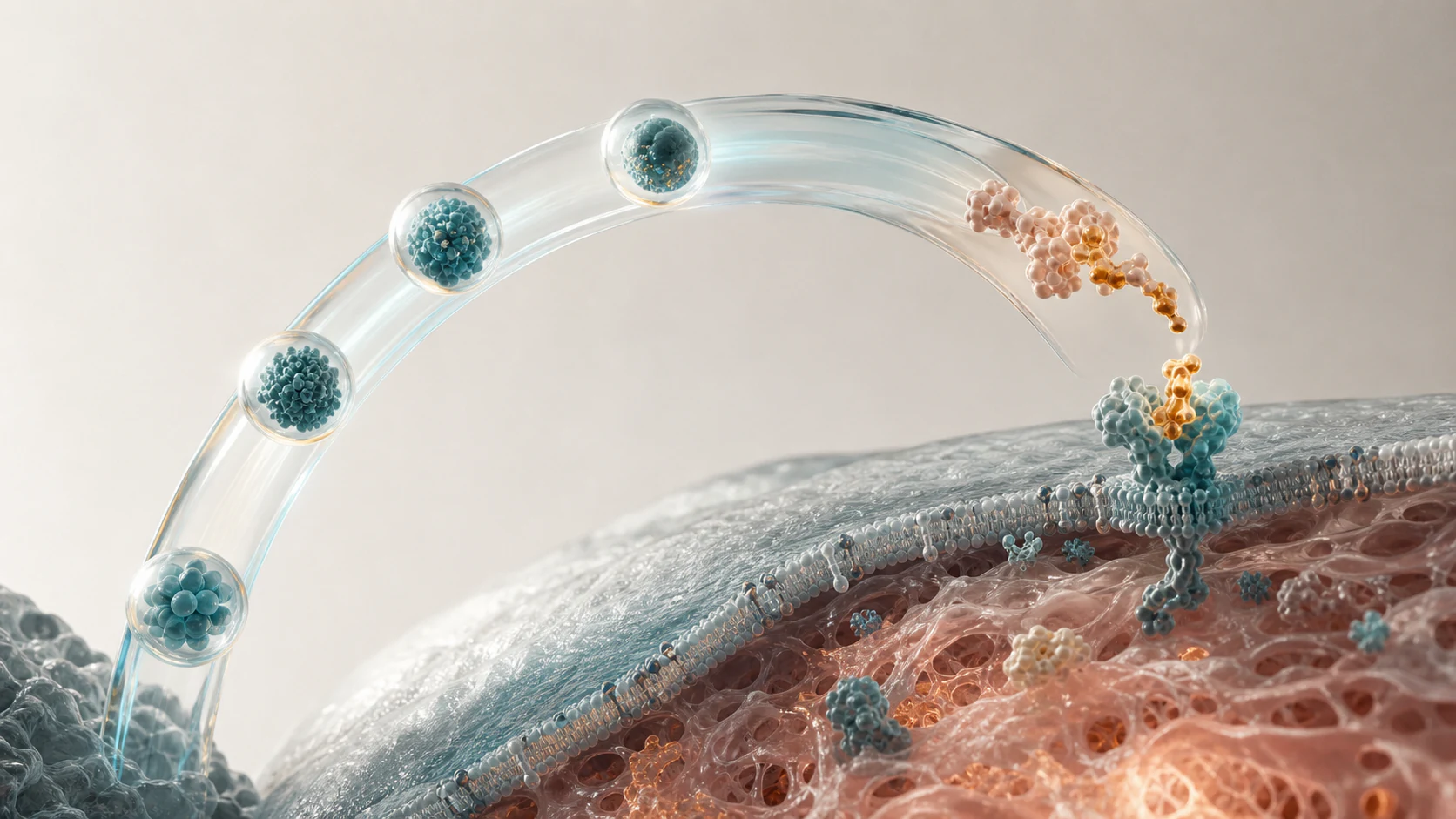
Why Clinical Trial Animation Services Matter
Clinical trial animation services turn complex clinical development logic into visuals that decision makers can understand quickly. A biotech team may have a strong study protocol, a thoughtful endpoint strategy and a credible translational rationale, yet the story can still collapse in a pitch deck or partner meeting. The problem is usually not the science. It is that inclusion criteria, dosing schedule, patient flow, biomarkers, endpoints and mechanism are scattered across tables and protocol language.
For biotech companies, clinical trial animation is commercially useful because trial design often determines whether a platform feels investable. Partners and investors want to know who the study serves, why the endpoint is meaningful, how the intervention connects to biology and what evidence would unlock the next decision. A clear visual story can answer those questions before the audience gets lost in protocol detail.
The strongest clinical trial visuals do not replace the protocol or statistical analysis plan. They create a shared mental model. They show the patient journey, intervention timing, sample collection, response measurement and biological rationale in one connected sequence. That makes the clinical plan easier to explain on a website, in a fundraising deck, at a medical conference or inside a scientific animation.
The Buyer Problem: Trial Plans Are Hard To Scan
Clinical teams usually communicate with precise documents: protocol synopses, schedules of activities, statistical assumptions, endpoint definitions and regulatory language. Those materials are necessary, but they are not built for fast comprehension. A BD lead may need a one-minute explanation of why the study design is efficient. A board member may need to understand how the endpoint maps to disease biology. A patient advocacy group may need a clear view of burden and visit flow.
This is where clinical study design visualization creates leverage. Visuals can separate the main trial logic from the operational details. They can show randomization, treatment windows, biomarker sampling, imaging time points and endpoint readouts without forcing the audience to parse every row of a protocol table. They also make it easier to explain what is known, what is being tested and what would count as a meaningful signal.
A good trial animation keeps the audience oriented across three layers: the patient experience, the scientific mechanism and the development decision. When those layers are shown together, the study stops looking like a list of visits and starts looking like a deliberate test of a therapeutic hypothesis.
- Show the trial question before showing every protocol detail.
- Make patient flow, dosing and endpoint timing readable in seconds.
- Connect biomarker sampling to mechanism instead of treating it as a checklist.
- Use hierarchy so the next development decision is obvious.
What To Include In A Clinical Trial Visual Story
A practical clinical trial visual story usually needs four layers. The first layer is population: disease state, patient segment, eligibility logic and baseline biology. The second layer is intervention: dose, delivery route, treatment cycle, comparator and combination context. The third layer is evidence: biomarkers, imaging, clinical endpoints, safety signals and patient-reported outcomes. The fourth layer is business meaning: why the study can validate the platform, de-risk a program or support a partner conversation.
The visual should be built around the highest-value buyer question. For a first-in-human study, that question may be whether the trial can show target engagement. For an oncology program, it may be how response criteria connect to immune biology or tumor exposure. For a rare disease program, it may be patient journey, burden and endpoint sensitivity. For a platform company, it may be how one study proves a repeatable development logic across assets.
The creative process should start with the decision the visual must support. If the decision is dose expansion, show dose, exposure, safety and biomarker movement. If the decision is proof of mechanism, show target engagement and downstream effect. If the decision is partner fit, show how the study design answers the question that matters to the partner.
| Trial question | Best visual subject | Commercial message |
|---|---|---|
| Who is the study for? | Patient segment, disease biology and eligibility boundary | The team knows the population and clinical need. |
| What does the intervention test? | Dose sequence, route and mechanism-linked treatment window | The design tests a specific therapeutic hypothesis. |
| How is success measured? | Endpoint timeline, biomarker sample and response readout | The evidence plan is clear enough for buyers to evaluate. |
| Why does this matter commercially? | Study signal connected to platform or program milestone | The trial supports differentiation and next-step value. |
Patient Journey Animation For Clinical Development
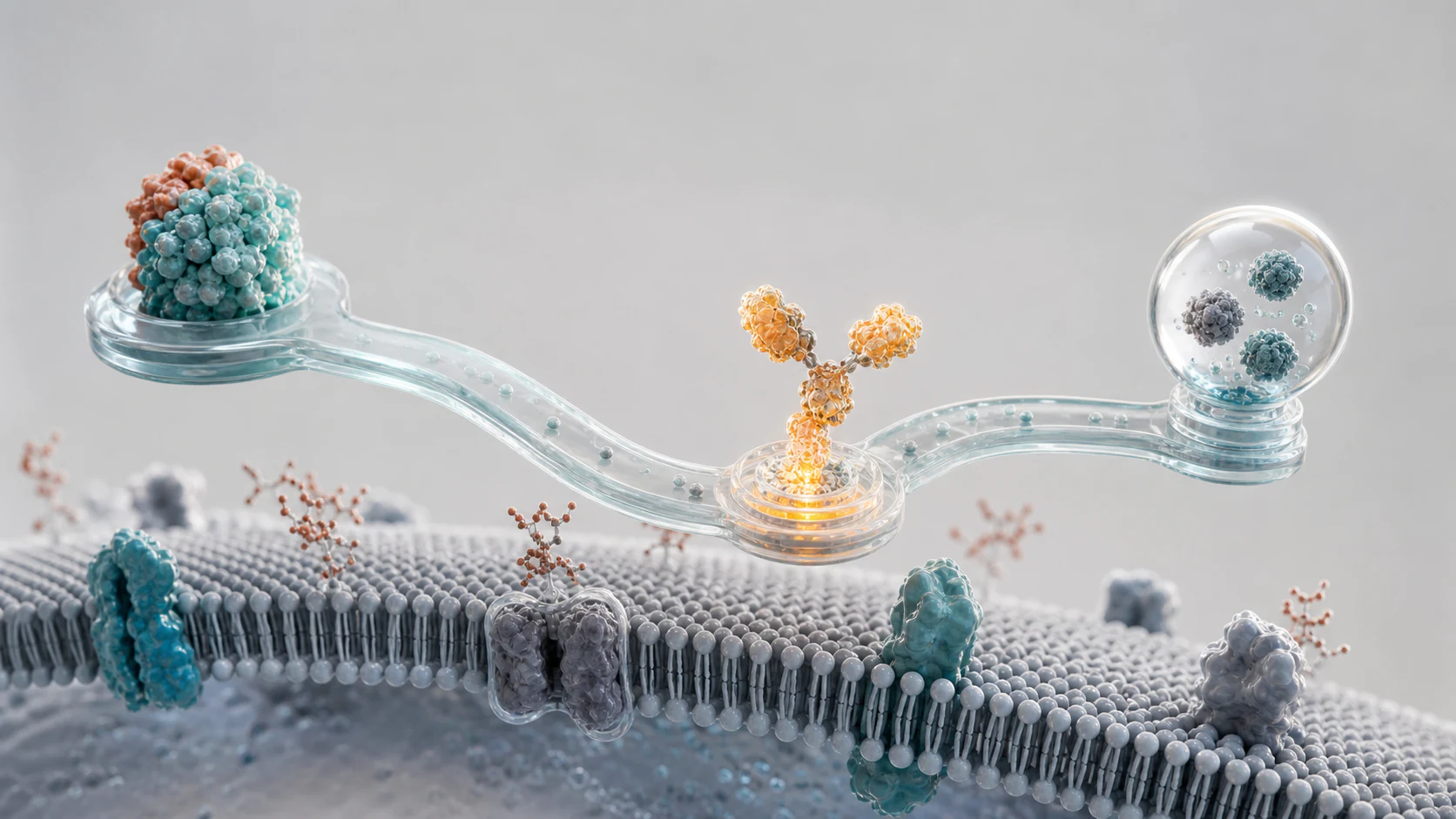
Patient journey animation is useful when a trial involves complex screening, repeated visits, combination therapy, biomarker collection or disease monitoring. Instead of showing a flat calendar, animation can move through enrollment, baseline assessment, treatment, sample collection, endpoint measurement and follow-up. This helps sponsors explain burden, logistics and scientific intent in a way that feels organized.
For patient-facing or advocacy materials, the animation should be simple and respectful. For investor or partner materials, it can include more mechanistic context: where the therapy acts, why a sample is collected and how the endpoint reflects biology. The important point is to avoid turning the patient journey into a generic medical cartoon. The visual should be grounded in the actual trial question.
This connects directly to adjacent Animiotics topics like https://animiotics.com/blog/pharmacokinetic-visualization-services-how-to-explain-adme-exposure-dose-and-platform-value-clearly/ and https://animiotics.com/blog/receptor-occupancy-visualization-services-how-to-explain-target-engagement-dose-selection-and-platform-value-clearly/. Clinical trial visuals become more persuasive when they link patient flow to exposure, target engagement, pharmacology and the evidence needed for a development decision.
- Use patient flow only when it clarifies the clinical question.
- Show sample collection and imaging as evidence moments, not decoration.
- Keep visit timing simple enough for a deck audience.
- Reserve dense protocol detail for appendices and regulatory documents.
Endpoint Visualization Without Overselling Certainty

Endpoint visualization is most useful when it respects the difference between measured clinical outcomes, exploratory biomarkers and mechanistic hypotheses. A clear visual can show the primary endpoint, secondary endpoints and translational readouts without pretending that every relationship is already proven. Sophisticated biotech buyers look for disciplined evidence framing, not just polished animation.
The safest approach is to design by evidence tier. Primary endpoints should look concrete and central. Secondary or exploratory readouts can sit nearby with softer visual emphasis. Mechanistic interpretation can be shown as a rationale that connects the intervention to biology. This makes it easier to discuss why a particular endpoint was selected and what a positive signal would mean.
For a pitch deck, endpoint visualization may be a single figure that links disease biology to trial readout and value inflection. For a scientific animation, it may become a short sequence: baseline state, intervention, biological response, endpoint measurement and decision. For a conference presentation, it may be a graphical abstract that supports the clinical data without replacing the numbers.
Design Rules For Biotech Clinical Trial Renders
Biotech clinical trial renders should be designed for scanning. The audience should understand the trial population, intervention, endpoint and value claim before reading the caption. That requires clear silhouettes, restrained color, consistent scale cues and only a few supporting elements. When a trial visual becomes a collage of organs, patients, charts, icons and arrows, the scientific hierarchy breaks down.
Premium 3D renders can make clinical evidence feel more tangible, especially when the story involves tissue sampling, biomarker movement, immune response, target engagement or imaging readouts. The key is restraint. One hero subject should carry the scene: a biomarker sample near a cell membrane, a tissue volume with a measured response, a therapeutic crossing into a target compartment or a patient-pathway timeline represented through physical objects.
Animation should clarify causality. Motion can show why a sample is collected after dosing, how a target engagement readout relates to mechanism or why a response endpoint appears later than a biomarker. Materials should feel lab-grade and credible rather than toy-like. A premium Blender or Maya style can help the trial story feel sophisticated while preserving clinical seriousness.
- Use one central clinical or biomolecular subject per visual.
- Make timing visible through spacing, sequence or repeated states.
- Use color to separate patient journey, biomarker evidence and outcome.
- Avoid fake dashboards, decorative labels and overloaded chart metaphors.
Where Clinical Trial Animation Creates Commercial Value
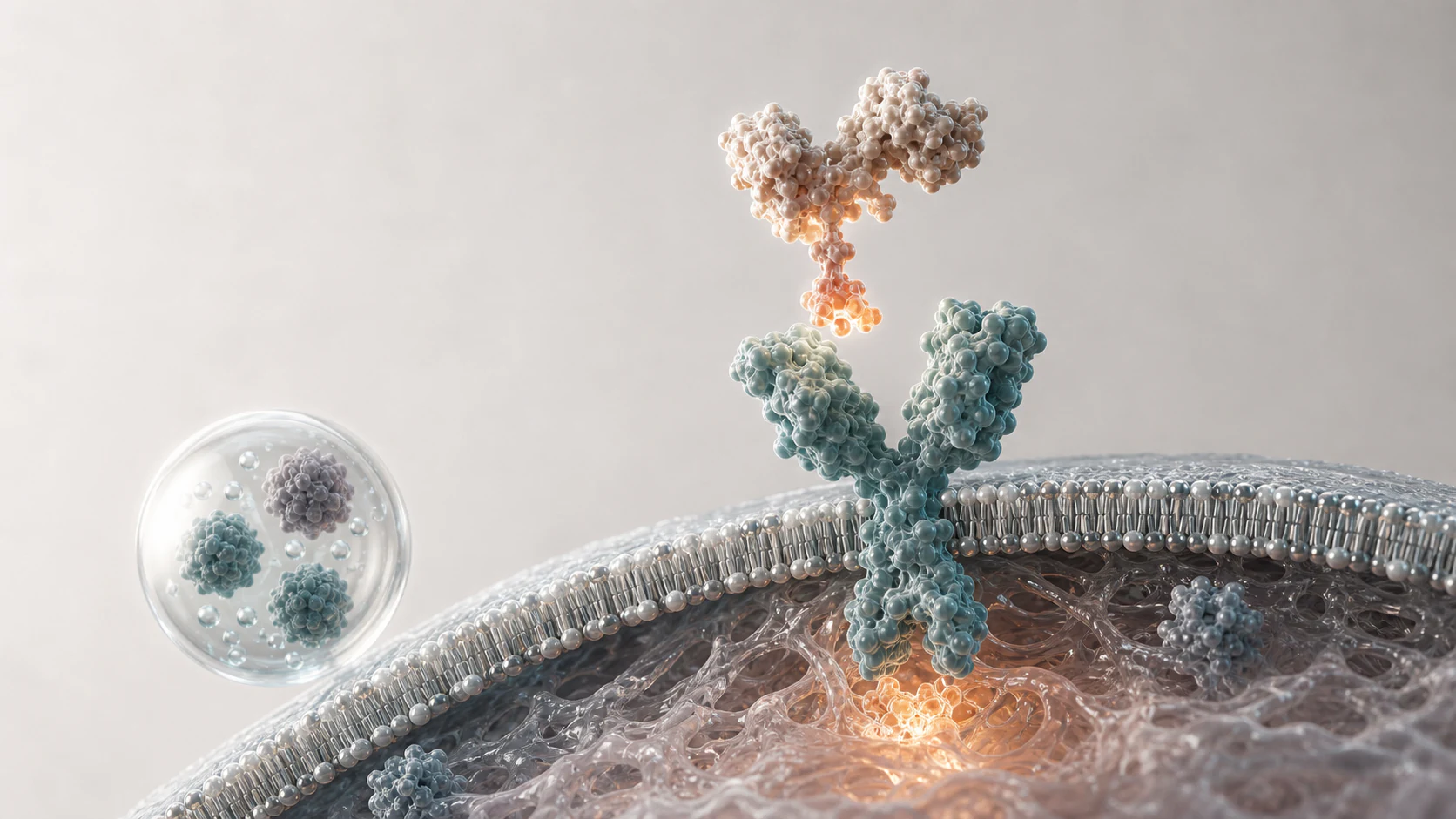
Clinical trial animation services support more than recruitment or patient education. They can sharpen fundraising, partner conversations, board updates, KOL meetings, medical affairs materials, website pages and conference presentations. A fundraising deck may use trial animation to show why a Phase 1b design can prove mechanism. A partner deck may use it to explain endpoint fit. A website may use a render to show that the platform understands clinical translation, not only discovery biology.
Commercial value often comes from reducing explanation time. If a partner needs twenty minutes to understand why the trial design matters, the meeting loses momentum. If the same logic is visible in one figure and one short animation sequence, the discussion can move to patient segment, study feasibility, indication strategy and deal fit.
This is especially important for platform companies. A consistent clinical visual language lets the team explain multiple programs while keeping the platform logic recognizable. Every trial can have candidate-specific detail, but the overall story should still feel like proof of a repeatable engine.
FAQ: Clinical Trial Animation Services
What are clinical trial animation services?
Clinical trial animation services create scientific figures, 3D renders and animation sequences that explain study design, patient flow, dosing, endpoints, biomarkers and clinical development logic. They are used in biotech decks, websites, medical presentations, investor materials and partner-facing communication.
Do trial animations replace protocol documents?
No. Protocols, statistical plans and regulatory documents remain essential. Animation makes the trial logic easier to understand by showing population, intervention, timing and evidence in a connected visual sequence.
Can Animiotics visualize endpoints before data readout?
Yes, but endpoint visuals should distinguish planned measurement from observed results. A pre-readout visual can explain the rationale, timing and decision logic without implying efficacy that has not been measured.
What inputs are needed to start?
Useful inputs include a protocol synopsis, schedule of activities, target population, mechanism summary, key endpoints, biomarker plan, audience and intended format. A rough internal slide is enough to begin shaping a clearer visual story.
Ready To Turn Trial Logic Into Buyer-Ready Visuals
If your team needs to explain study design, endpoint rationale, biomarker timing, patient flow or clinical development value, Animiotics can help turn the plan into clear scientific visuals. We build buyer-ready figures, premium 3D renders and scientific animation systems for biotech, pharma, research and platform teams that need clinical complexity to become understandable fast.
Use clinical trial animation services when your current slides make the study feel fragmented, when a partner keeps asking how the endpoint supports the mechanism or when your platform needs a visual language that can scale from discovery into clinical translation. See related work at https://animiotics.com/blog/drug-discovery-animation-services-how-to-explain-targets-screening-mechanisms-and-platform-value-clearly/ or start from the Animiotics homepage at Animiotics.
- Build a single clinical trial hero figure for a pitch or partner deck.
- Create a 3D render system for patient journey and biomarker stories.
- Turn endpoint logic into a short scientific animation sequence.
- Translate clinical development strategy into visuals commercial audiences can use.