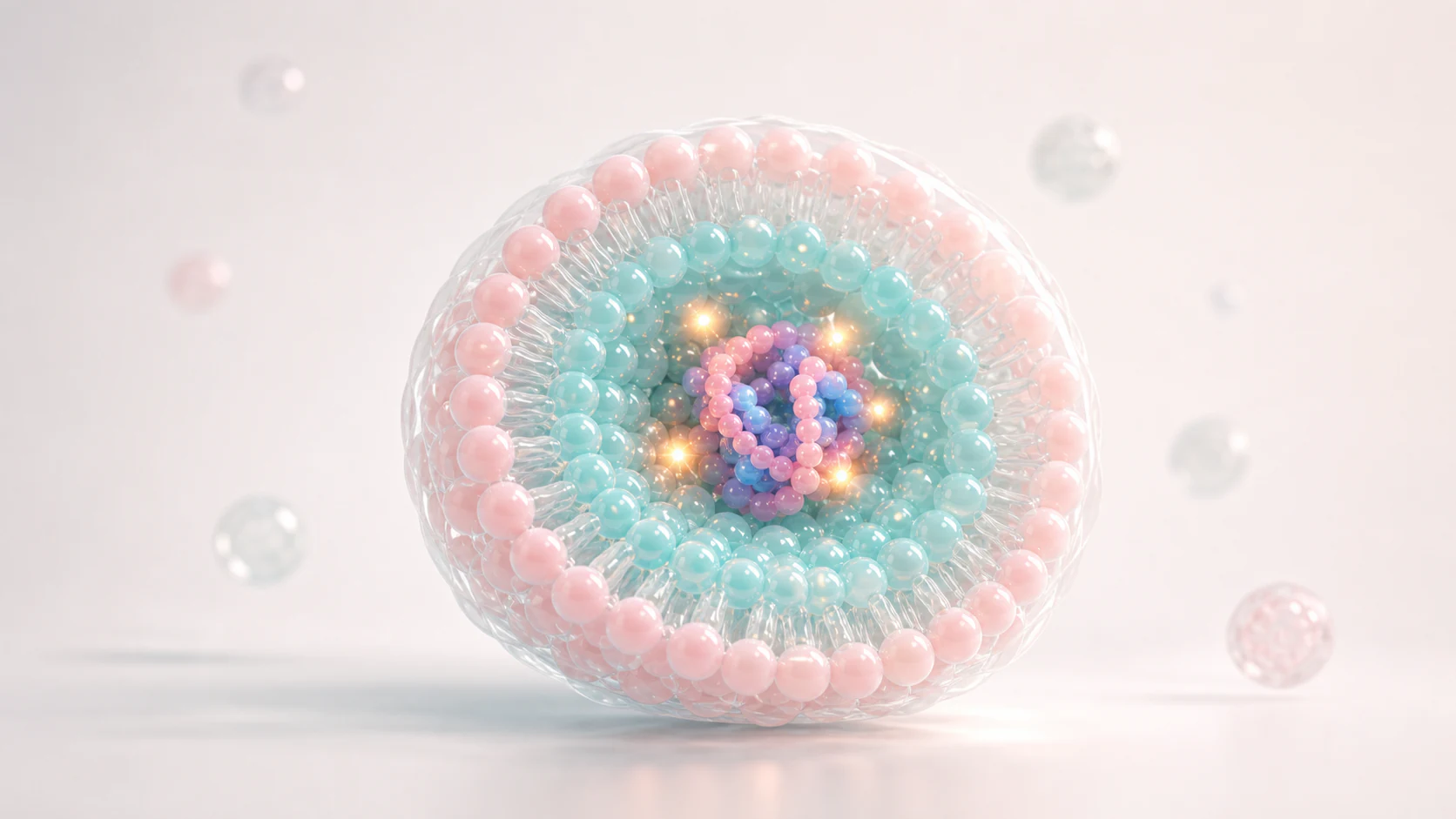
Why Lipid Nanoparticle Animation Services Matter
Lipid nanoparticle animation services matter because delivery is often the hardest part of an RNA, gene editing or nucleic acid platform to explain quickly. A buyer may understand that the payload is promising, but still need to see how the formulation protects that payload, reaches the right tissue, enters cells and releases cargo in a useful biological context.
The commercial challenge is that lipid nanoparticles can look either too simple or too technical. A plain sphere does not explain ionizable lipids, helper lipids, cholesterol, PEG-lipids, payload packaging, biodistribution or endosomal escape. A dense structural diagram can be accurate yet hard to use in a website hero, investor deck or partnering presentation. Strong animation sits between those extremes. It creates a visual path from formulation design to delivery performance.
Animiotics builds lipid nanoparticle animation services for biotech, platform and research teams that need credible visuals for websites, pitch decks, BD conversations, conference talks and campaign launches. The goal is not to make a decorative particle. The goal is to make LNP delivery legible enough that a scientific buyer can understand the value proposition and ask better follow-up questions.
- Use LNP visuals when formulation, payload protection and delivery performance need one clear story.
- Show the path from particle design to uptake to intracellular release.
- Avoid generic nanoparticle art when the buyer needs delivery logic.
Turn Formulation Design Into a Visual Story
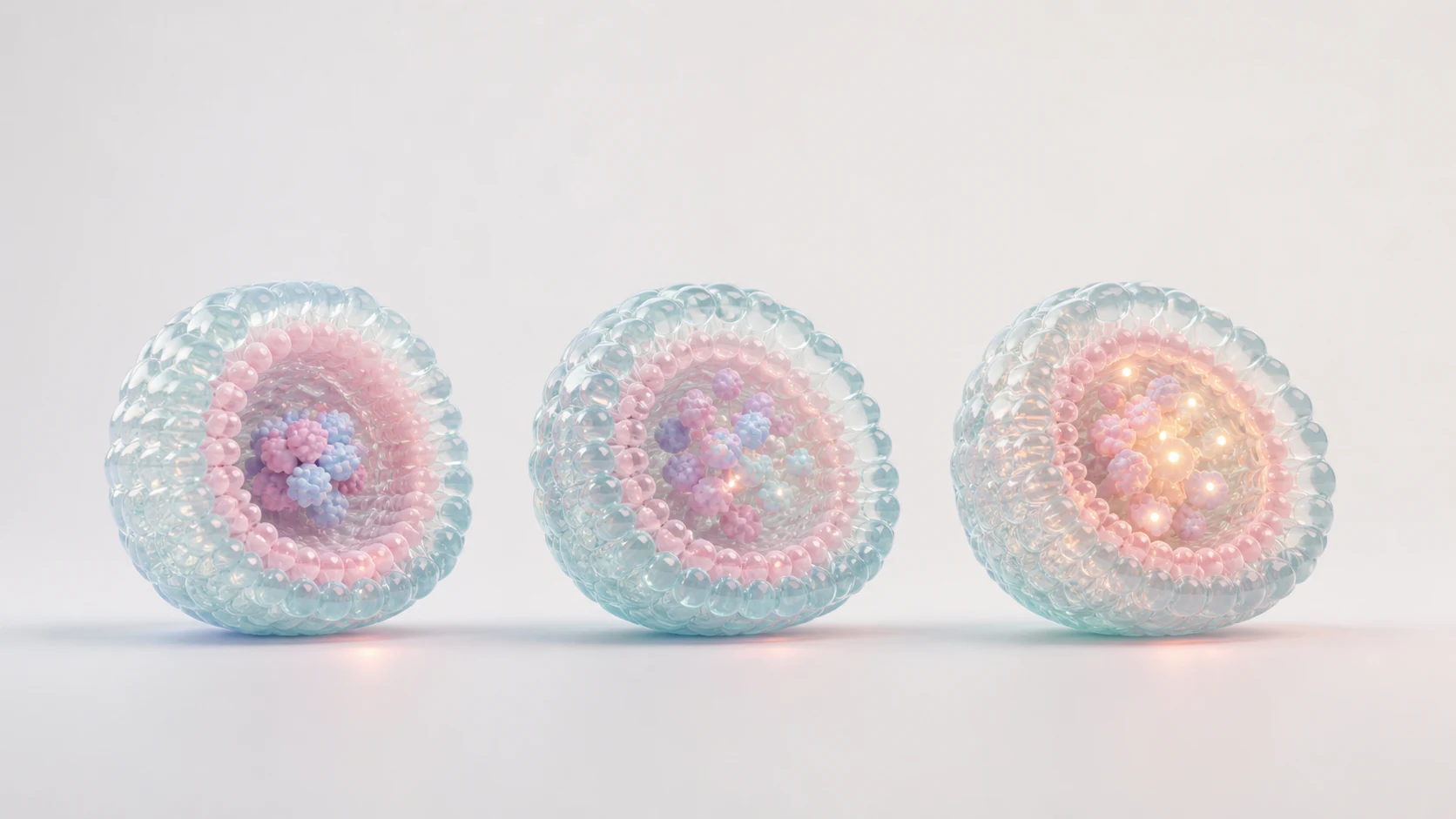
A lipid nanoparticle formulation is not just a container. It is a designed delivery system with composition, charge behavior, payload compatibility, stability goals and manufacturing constraints. If every component is shown at once, the result can become a crowded diagram. If the formulation is shown only as a glossy sphere, the platform looks interchangeable.
A useful visual story starts with the core design question. Is the team trying to improve RNA encapsulation, tune tissue tropism, reduce reactogenicity, protect a fragile payload or explain why a new lipid chemistry changes delivery? Once the question is clear, the animation can isolate the key layers: outer lipid shell, payload organization, surface behavior, cellular entry and downstream release.
This structure complements mRNA vaccine mechanism of action animation but keeps the focus on the delivery vehicle rather than the immune response. For platform companies, that distinction matters because the LNP may be the asset that differentiates programs across several payload classes.
- Define the formulation claim before choosing the visual treatment.
- Separate particle architecture, payload packaging and delivery behavior.
- Keep the first read simple so technical detail can be added in later assets.
Explain Payload Protection Uptake and Release
The most useful lipid nanoparticle animation usually connects three moments: payload protection before delivery, cellular uptake and intracellular release. These stages are often described in separate scientific slides, but buyers need to understand how they belong to one delivery system. Animation is well suited to this job because it can show sequence, timing and spatial context without forcing every detail into one static figure.
Payload protection can be shown through a controlled particle cross-section, with the RNA or other nucleic acid visually distinct from the lipid environment. Uptake can be shown through a simplified cell surface or vesicle scene. Release can be shown as a restrained transition from enclosed cargo to available intracellular payload. The animation does not need to show every molecular collision. It needs to show the delivery logic clearly.
The strongest assets also clarify evidence boundaries. Conceptual renders can explain the mechanism, while supporting figures can show potency, tolerability, biodistribution, expression or knockdown data. That separation helps a platform look credible because viewers can tell the difference between an explanatory model and measured evidence.
- Show payload protection before the particle reaches the cell.
- Use uptake and release as sequential scenes, not a single crowded diagram.
- Pair conceptual delivery visuals with measured data when evidence drives the claim.
| Delivery Stage | Buyer Question | Useful Visual Treatment |
|---|---|---|
| Formulation | What is designed about the particle? | Clean cross-section with distinct shell and payload regions |
| Stability | How is the payload protected? | Contained cargo scene with restrained material cues |
| Cellular uptake | How does the particle enter the target context? | Simplified membrane or vesicle environment |
| Release | How does cargo become biologically available? | Controlled opening or glow sequence with clear boundaries |
Make Endosomal Escape Easier to Understand
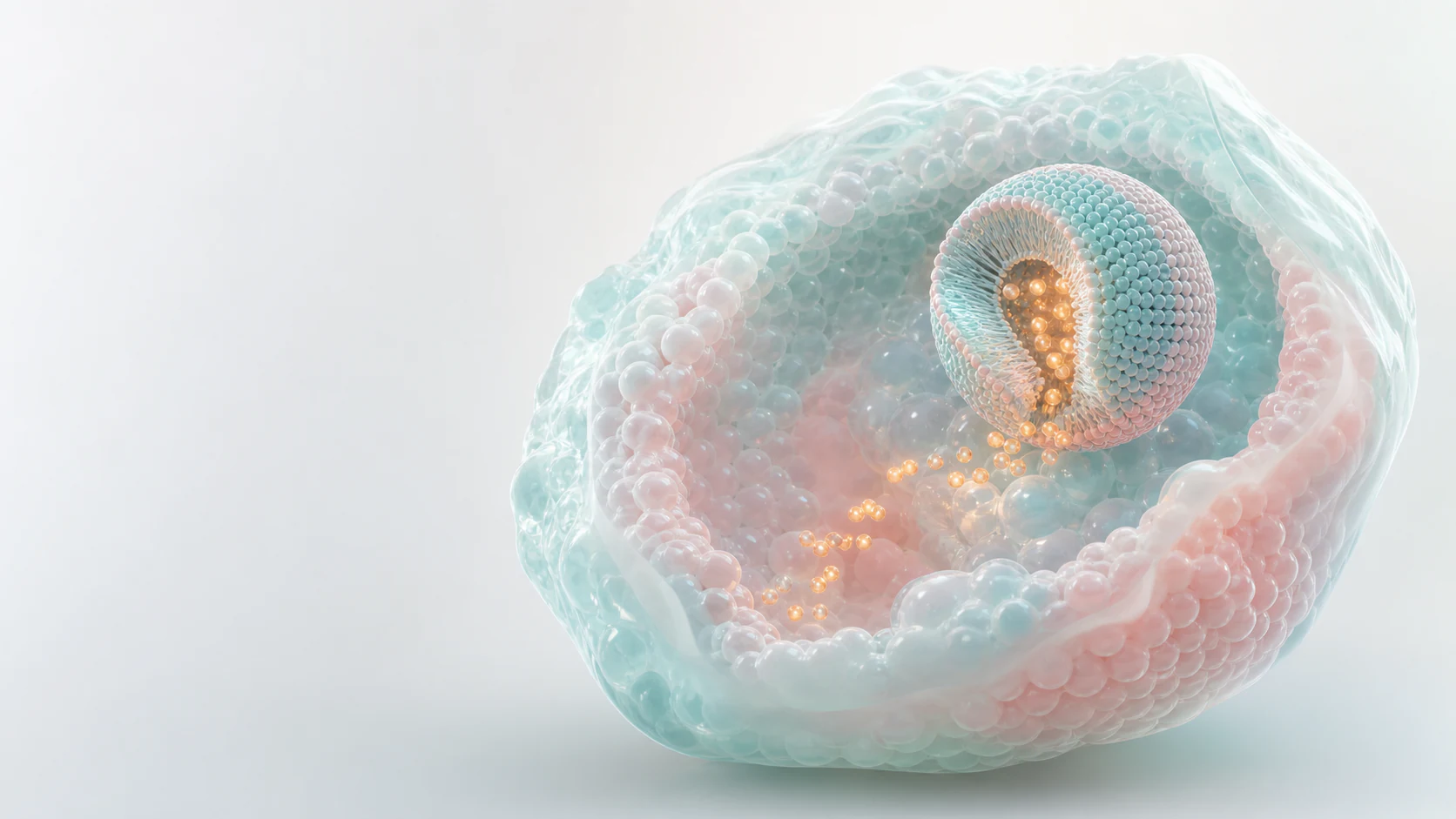
Endosomal escape is a frequent point of confusion in LNP communication. Many viewers understand that a particle enters a cell, but fewer understand why entry alone is not enough. If the payload remains trapped or degraded, the platform does not deliver the intended biological effect. A clear animation can make this bottleneck visible without turning the asset into a textbook diagram.
A practical endosomal escape scene should show a particle inside a simplified vesicle-like compartment, then show the key transition where cargo moves from the enclosed compartment toward the intracellular space. The scene can use soft material changes, warm signal points and restrained motion to imply release. It should avoid unsupported claims about efficiency unless those claims are backed by data.
This is where oligonucleotide therapy visualization services and LNP delivery visuals often overlap. The therapeutic payload may be ASO, siRNA, mRNA, guide RNA or another nucleic acid, but the buyer still needs to understand how delivery changes whether that payload can act.
- Show that cellular entry is not the same as productive release.
- Use endosomal escape as a focused scene with limited visual elements.
- Avoid implying quantitative delivery performance inside a conceptual render.
Design Assets for Websites Decks and Partnering
Lipid nanoparticle animation services should produce assets for the places where the platform is evaluated. A website cover render needs to create immediate category recognition. A pitch deck needs to show why the delivery approach is repeatable and defensible. A pharma partnering deck may need to explain formulation logic, payload flexibility, delivery context and evidence without forcing a mixed audience through a dense technical appendix.
The same scientific idea often needs several formats. A wide cover image can establish the delivery platform. A short animation loop can show formulation-to-release sequence. A slide figure can compare payload classes or tissue contexts. A conference visual can focus on the mechanism that differentiates the platform. Planning these outputs early prevents one overloaded diagram from being stretched across every channel.
For commercial teams, the best LNP visuals make the company easier to evaluate. They help buyers see what the platform does, what evidence supports it, which claims remain exploratory and why the delivery system is relevant to the program or partnership under discussion.
- Plan separate crops for website, deck, conference and outreach use.
- Use one visual language across formulation, mechanism and platform assets.
- Write captions that clarify evidence boundaries instead of increasing hype.
Build a Reusable LNP Platform Visual System
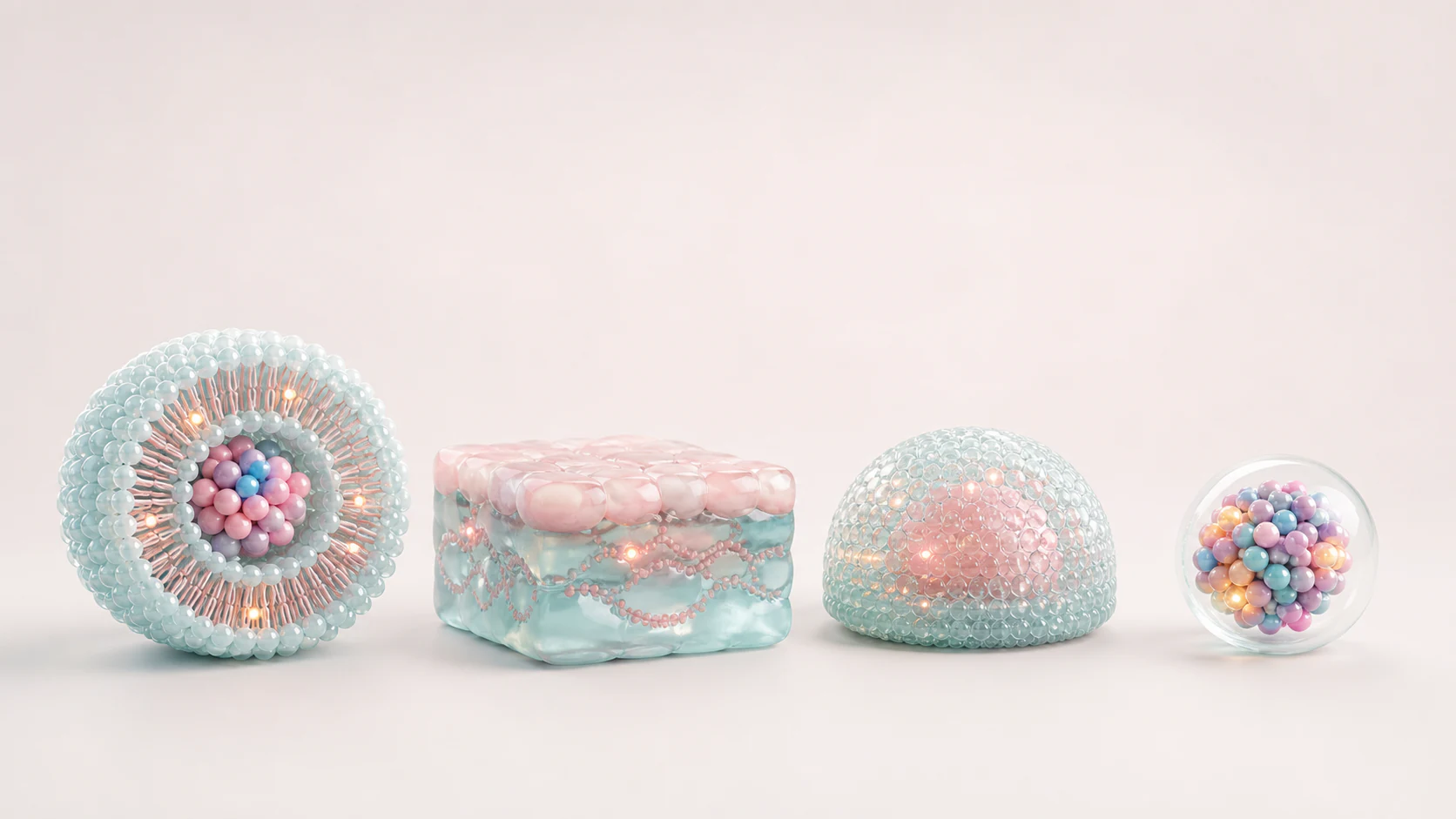
A reusable visual system is often more valuable than one finished animation. LNP companies may need to show several payloads, lipid chemistries, target tissues, dosing contexts, manufacturing updates and program-specific mechanisms over time. If every asset is built with a different visual language, the platform can feel fragmented even when the science is coherent.
A visual system can define how particles are shown, how payloads are distinguished, how surface behavior is treated, how cellular compartments appear and how evidence is separated from conceptual mechanism. It can also define what not to use: fake dashboards, unreadable molecular clouds, unsupported biodistribution scenes, exaggerated glow effects or decorative nanoparticle motifs that do not help the buyer understand delivery.
Reusable systems are especially useful for platform teams with multiple collaborations or therapeutic areas. The same visual grammar can support vaccines, protein expression, gene editing, oncology, immunology or rare disease programs while preserving a recognizable delivery-platform identity.
- Standardize particle, payload, cellular context and evidence cues across campaigns.
- Build modular renders that can support new payloads without starting over.
- Review the visual system with scientific, commercial and regulatory-aware stakeholders before scaling.
FAQ About Lipid Nanoparticle Animation Services
What are lipid nanoparticle animation services?
They are scientific visualization services that turn LNP formulation, payload packaging, cellular uptake, endosomal escape, biodistribution concepts and delivery evidence into clear renders, figures, storyboards and animations.
Who needs lipid nanoparticle animation?
Biotech startups, delivery platform companies, RNA therapy teams, vaccine groups, gene editing companies, CROs and research groups use these visuals when delivery biology is central to the commercial story.
Can these visuals include real data?
Yes. The strongest projects often combine explanatory 3D renders with measured potency, expression, knockdown, tolerability, biodistribution or formulation data. The key is to make clear which elements are conceptual and which are measured.
How many assets should an LNP launch package include?
Many teams start with one cover image plus three to five supporting body visuals, then expand into a mechanism loop, investor deck figures, BD visuals and reusable platform modules.
- Use LNP animation when delivery steps need fast explanation.
- Keep formulation, uptake, escape and evidence visually distinct.
- Build reusable assets if the platform supports several payloads or indications.
Ready to Build Lipid Nanoparticle Visuals
Lipid nanoparticle animation services are most useful when they make delivery easier to evaluate. The right assets explain how the formulation is built, how the payload is protected, how the particle reaches the cellular context, how release happens and why the platform can support program value.
Animiotics helps biotech, platform and research teams create LNP renders, delivery mechanism animations, deck figures, website assets, formulation visuals, endosomal escape scenes and animation-ready storyboards. The work can support launch pages, fundraising, partnering, scientific presentations and conference campaigns.
Talk to Animiotics about lipid nanoparticle animation services
- Bring the formulation claim, payload class, delivery evidence and target audience into the first brief.
- Use a reusable visual system for platform and program-level assets.
- Turn LNP delivery complexity into buyer-ready visuals without losing scientific discipline.