In Vivo Gene Editing Animation Services: How To Explain Delivery Editing Windows Tissue Targeting And Safety Clearly
In vivo gene editing animation services help biotech, platform and research teams explain delivery, editor activity, tissue targeting and safety evidence in buyer-ready visuals.
Why In Vivo Gene Editing Animation Services Matter
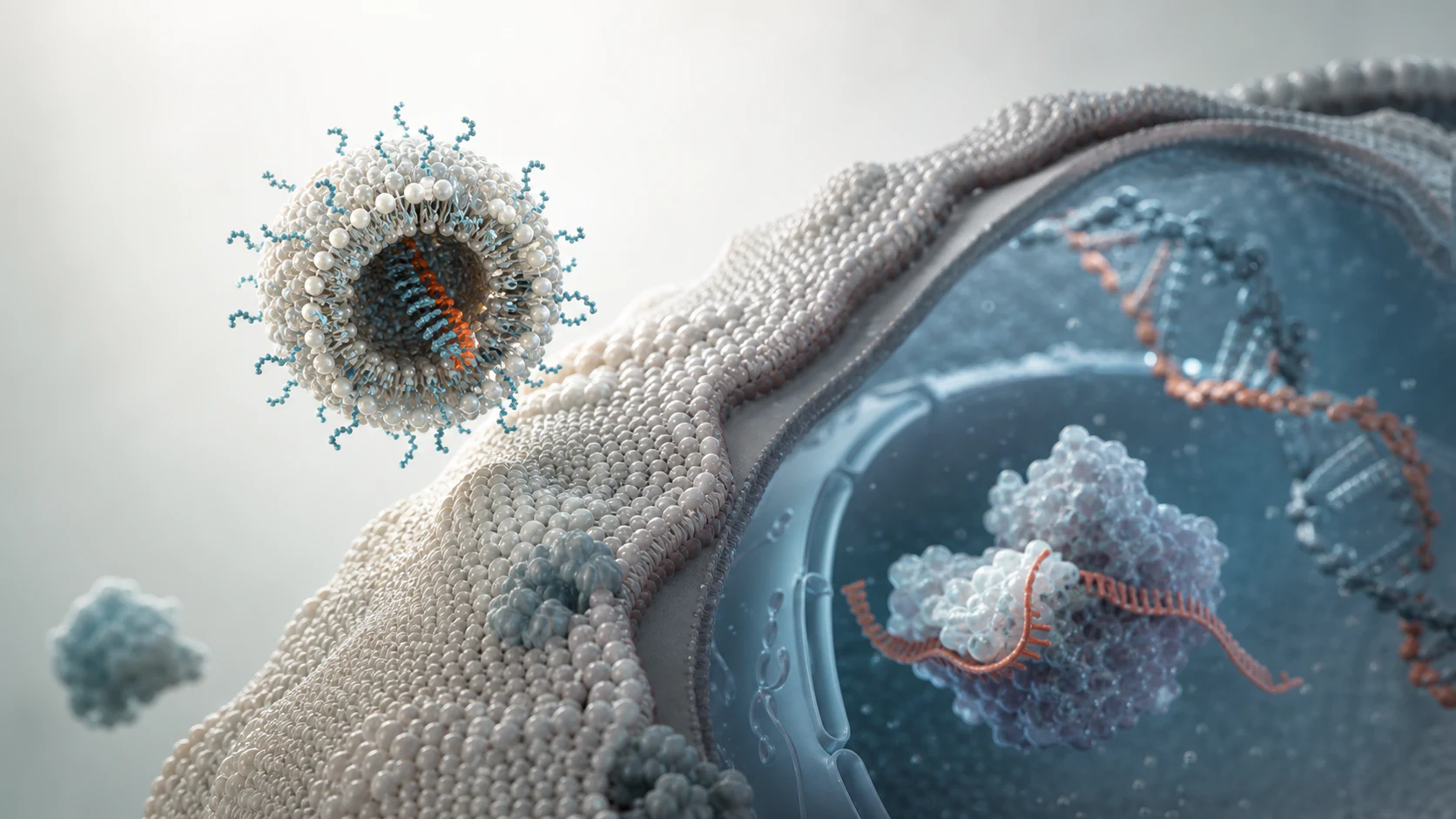
In vivo gene editing animation services help genomic medicine, delivery platform and therapeutic discovery teams explain a story that is difficult to see directly. The buyer needs to understand how an editor reaches the right tissue, enters the right cell, finds the genomic site, acts within a controlled window and produces a useful biological outcome without creating unnecessary safety concerns.
That story often spans several scales at once. A single program may involve lipid nanoparticles, viral vectors, tissue tropism, endosomal escape, nuclear entry, guide RNA recognition, base conversion, prime editing or nuclease repair. A dense methods slide can be accurate but still fail to create trust. A focused 3D animation can make the mechanism concrete enough for investors, pharma partners, clinical collaborators and internal teams to discuss the same platform without losing the plot.
Animiotics creates premium scientific renders and animation systems for biotech companies that need complex platform biology to feel clear, credible and commercially useful. For in vivo gene editing, the goal is not to show every molecular detail. The goal is to build a visual sequence that connects delivery, editing chemistry, tissue selectivity and translational evidence into one buyer-ready story.
- Show how the editor reaches the tissue before explaining the edit.
- Make the editing window visible without overloading the scene.
- Connect molecular activity to a therapeutic or platform decision.
Start With The Buyer Question Behind The Edit
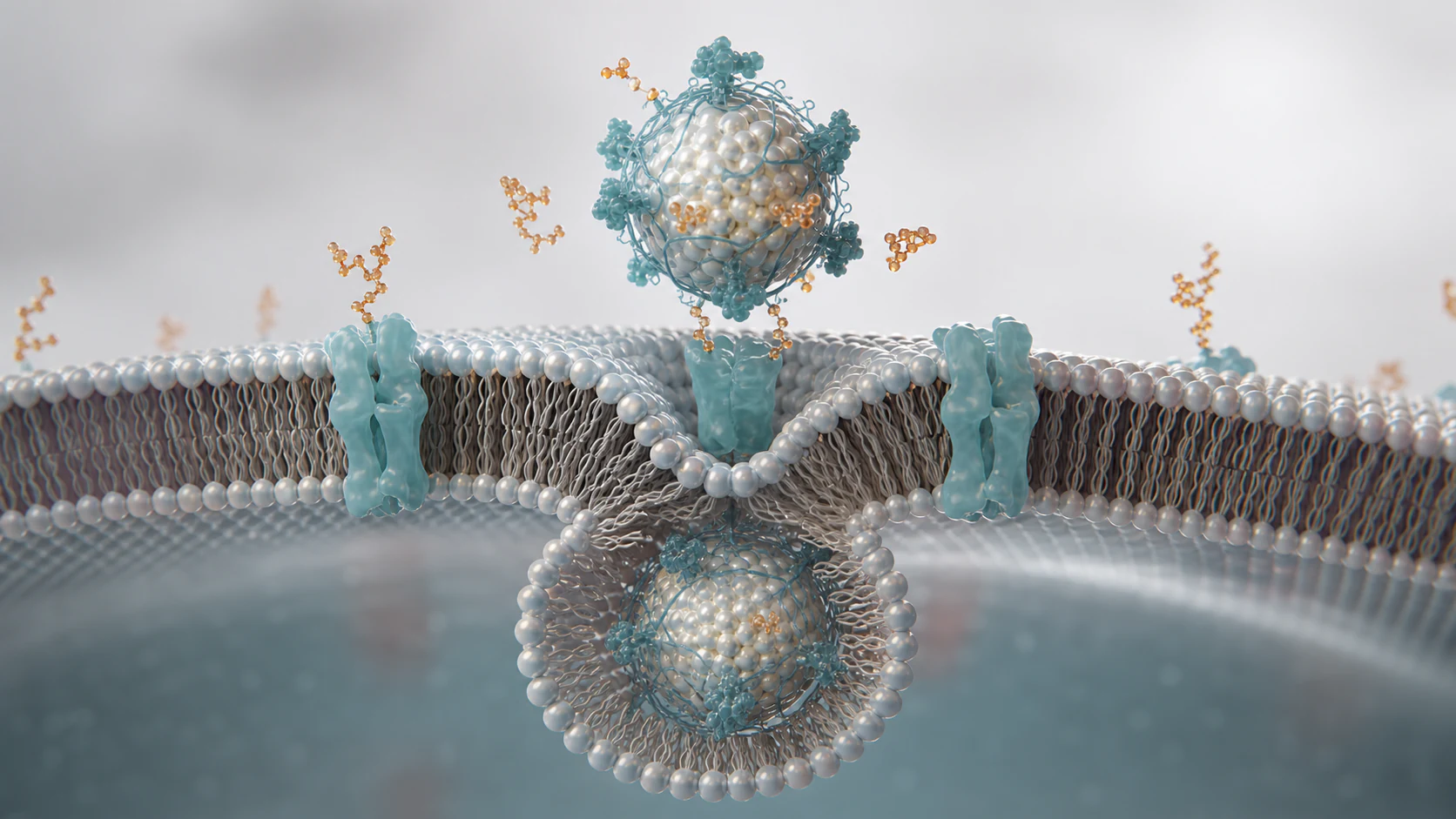
A useful in vivo gene editing visual begins with the question the buyer is actually asking. A pharma partner may ask whether delivery can reach the target tissue at a practical dose. An investor may ask whether the platform is differentiated from other editing systems. A clinical reviewer may ask how on-target activity, durability and safety are being assessed. Each question needs a different visual emphasis.
For a liver-targeted program, the hero sequence may begin with a clean delivery particle approaching a hepatocyte membrane, then move into endosomal escape and nuclear editing. For a rare disease program, the strongest story may be the link between corrected sequence, restored protein function and tissue-level biology. For a platform company, the visual may need to show that the same delivery and editor architecture can support several payload or guide choices without becoming generic.
This topic connects naturally to Animiotics guidance on https://animiotics.com/blog/crispr-gene-editing-animation-services-how-to-explain-delivery-editing-repair-outcomes-and-platform-value-clearly/ and https://animiotics.com/blog/lipid-nanoparticle-animation-services-how-to-explain-formulation-delivery-endosomal-escape-and-platform-value-clearly/. In vivo gene editing animation services bring those stories together around tissue targeting, activity timing and therapeutic confidence.
- Define whether the visual must sell delivery, editing chemistry, safety or platform reuse.
- Anchor the first scene in a recognizable tissue, cell or molecular subject.
- Reserve detailed editor biology for the moment when it answers the buyer question.
What To Visualize In An In Vivo Editing Story
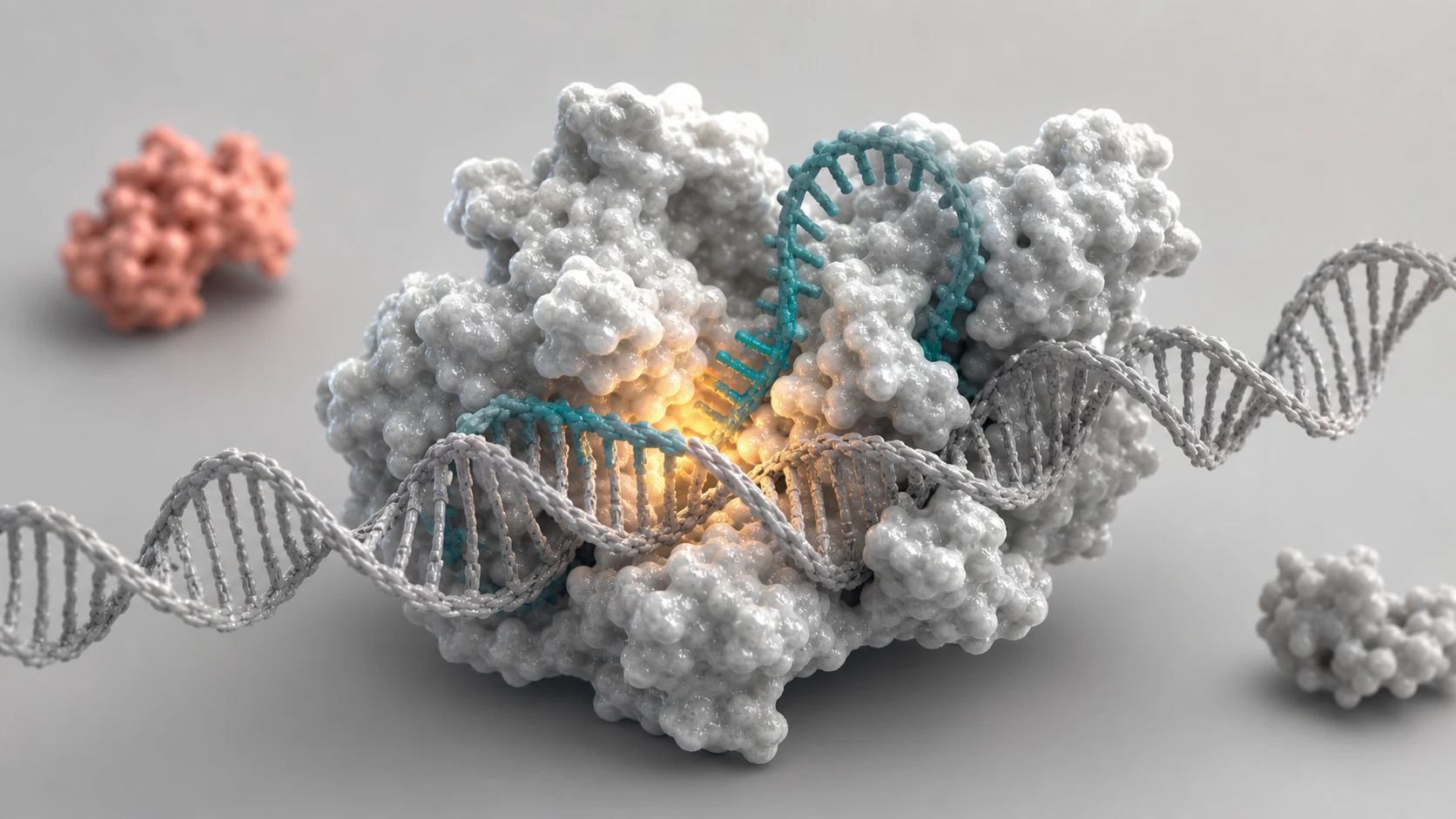
Most in vivo gene editing stories need four visual layers. The first layer is delivery: particle, capsid or conjugate movement through a tissue environment. The second layer is cell entry: receptor engagement, membrane contact, uptake and escape from intracellular compartments. The third layer is editing: guide recognition, editor positioning, DNA or RNA interaction and the biochemical event that creates the intended change. The fourth layer is outcome: restored protein activity, reduced disease signal, biomarker shift or durable therapeutic effect.
The visual challenge is sequencing those layers without turning the piece into a crowded collage. Strong animation usually isolates one hero subject per scene. A delivery scene can focus on one particle and one membrane. An editing scene can focus on one editor complex and one DNA target. A translational scene can focus on a few tissue or biomarker cues rather than a full diagram of every assay.
That restraint is especially important for platform communication. If every shot contains particles, DNA, nuclei, cells, charts and labels, the audience may remember only that the story was complicated. If each scene has a clear job, the viewer can follow the logic from delivery to editing to evidence. The result feels more scientific because the hierarchy is disciplined.
The same core assets can also support website hero renders, pitch deck mechanism slides, conference booth loops, investor updates and partner-specific animations. A reusable visual system saves time because the platform does not need to reinvent its visual language every time a new tissue, editor or indication becomes the focus.
- Use one clear delivery particle, capsid or editing complex as the hero subject.
- Represent tissue targeting through spatial context, not generic arrows or labels.
- Show editing as a controlled molecular event with readable DNA or RNA geometry.
Deliverables That Help Gene Editing Teams Sell Platform Value
In vivo gene editing teams usually need a small set of coordinated visuals rather than one isolated image. A website hero render should establish the platform category within seconds. A short mechanism animation should make delivery and editing logic understandable to mixed scientific and business audiences. A pitch deck figure should clarify why the delivery system, editor design or safety strategy is commercially meaningful.
A strong deliverable set can also support internal alignment. Research, BD and executive teams often describe the same platform with different language. Shared visuals force the team to decide which mechanism moments matter most, what evidence belongs in the primary story and which details should stay in backup materials.
The table below maps common communication needs to useful visual assets for in vivo gene editing, genomic medicine and delivery platform teams.
| Communication need | Useful visual asset | Why it helps |
|---|---|---|
| Explain delivery | Wide 3D tissue or membrane render with one particle or capsid | Makes targeting and cellular entry feel concrete before molecular editing begins |
| Explain editor activity | Focused DNA or RNA editing scene with one editor complex | Shows the intended molecular event without requiring a dense methods slide |
| Explain safety | Controlled visual sequence for dose, duration and tissue selectivity | Frames risk management as part of the platform design rather than an afterthought |
| Support platform BD | Reusable render and animation system across tissues and payloads | Lets teams adapt the story for partners while keeping visual consistency |
How To Make Editing Windows And Safety Evidence Understandable
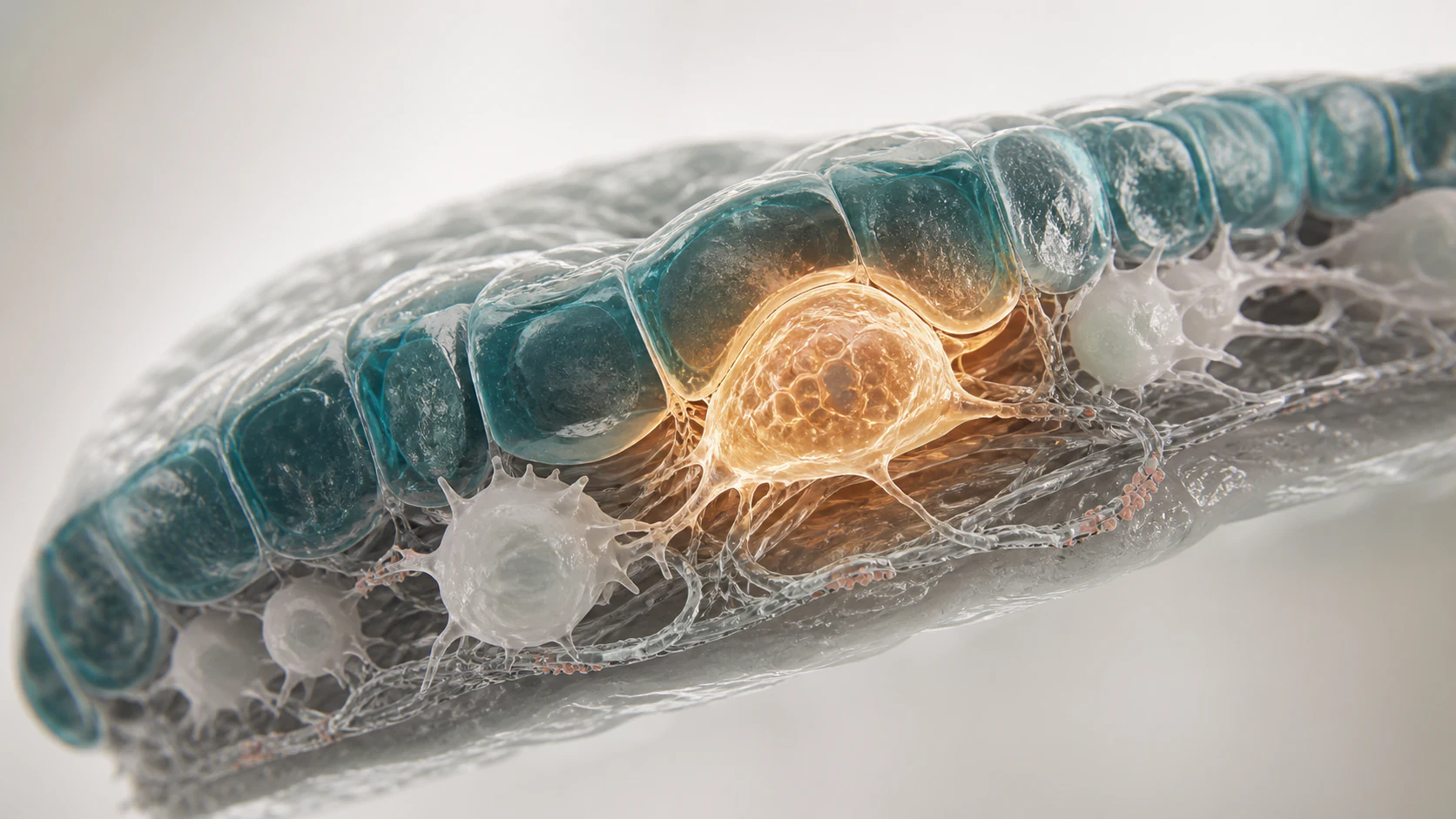
Editing-window and safety claims can be hard to visualize because they depend on timing, tissue context and measurement. The solution is not to add fake dashboards or decorative charts into every scene. It is better to show a controlled molecular event, then use restrained visual cues to indicate duration, localization or selectivity.
For example, an animation can show an editor complex becoming active only after delivery to the target cell, then fading as the payload is cleared. A tissue scene can show strong activity in one compartment and minimal visual activity elsewhere. A DNA scene can highlight one readable target interaction while avoiding busy off-target symbolism. These choices let the audience understand safety strategy without turning the visual into an infographic.
In vivo gene editing visuals should also avoid implying impossible precision or overclaiming clinical certainty. Materials, lighting and motion can feel premium while the science stays measured. Physically plausible particles, membranes, editor complexes and nuclear environments help the platform look serious. Clear captions and alt text can then describe the visible biology in concrete terms.
For related platform storytelling, see https://animiotics.com/blog/base-editing-mechanism-of-action-animation-how-to-visualize-precision-gene-correction-clearly/. Base editing, prime editing, nuclease editing and RNA-guided systems each need different molecular emphasis, but all benefit from the same discipline: one clear mechanism moment, one commercial point and one coherent visual language.
- Show activity timing with restrained motion and material changes.
- Keep safety visuals biologically grounded rather than fear-based.
- Avoid fake UI, labels, charts and decorative data clouds inside the render.
FAQ About In Vivo Gene Editing Animation Services
Q
What should an in vivo gene editing animation include?
AA useful animation usually includes delivery to the target tissue, cell entry, intracellular release, editor activity at DNA or RNA and the biological outcome that matters to the program. The exact sequence depends on whether the company is selling delivery, editor chemistry, therapeutic effect or platform reuse.
Q
Can gene editing safety be visualized without charts?
AYes. Charts may belong in a deck, but the animation itself can show safety strategy through tissue localization, controlled activity windows, payload clearance and focused molecular interaction. This keeps the visual cinematic while still supporting scientific discussion.
Q
How long should a gene editing mechanism animation be?
AA website loop may only need 10 to 25 seconds. A BD or investor mechanism sequence may run 45 to 90 seconds if each scene answers a specific question about delivery, editing or translational evidence.
Q
Is in vivo gene editing visualization different from CRISPR animation?
AYes. CRISPR animation often focuses on nuclease or guide RNA mechanism. In vivo gene editing visualization must also explain delivery route, tissue targeting, cellular entry, timing and safety context because those factors shape platform value.
Ready To Build In Vivo Gene Editing Visuals That Buyers Understand
In vivo gene editing animation services are most valuable when they make a complex platform feel testable, specific and commercially relevant. The right visual system helps a team explain delivery, tissue targeting, editing-window logic, molecular precision, safety strategy and translational evidence without forcing buyers to decode a dense technical slide.
Animiotics builds premium 3D scientific renders and mechanism animations for biotech, pharma, platform and research teams that need advanced biology to become clear buyer-facing communication. For broader modality planning, see https://animiotics.com/blog/oligonucleotide-therapy-visualization-services-how-to-explain-aso-splice-switching-delivery-and-platform-value-clearly/.
If your in vivo editing story needs to work on a website, in a pitch deck or in a partner meeting, start with Animiotics and turn delivery, editing and evidence into a visual sequence buyers can understand.
- Build one coherent visual grammar across delivery, editing and evidence.
- Use premium 3D renders to make invisible platform biology concrete.
- Make the first scene clear enough for a non-specialist buyer.