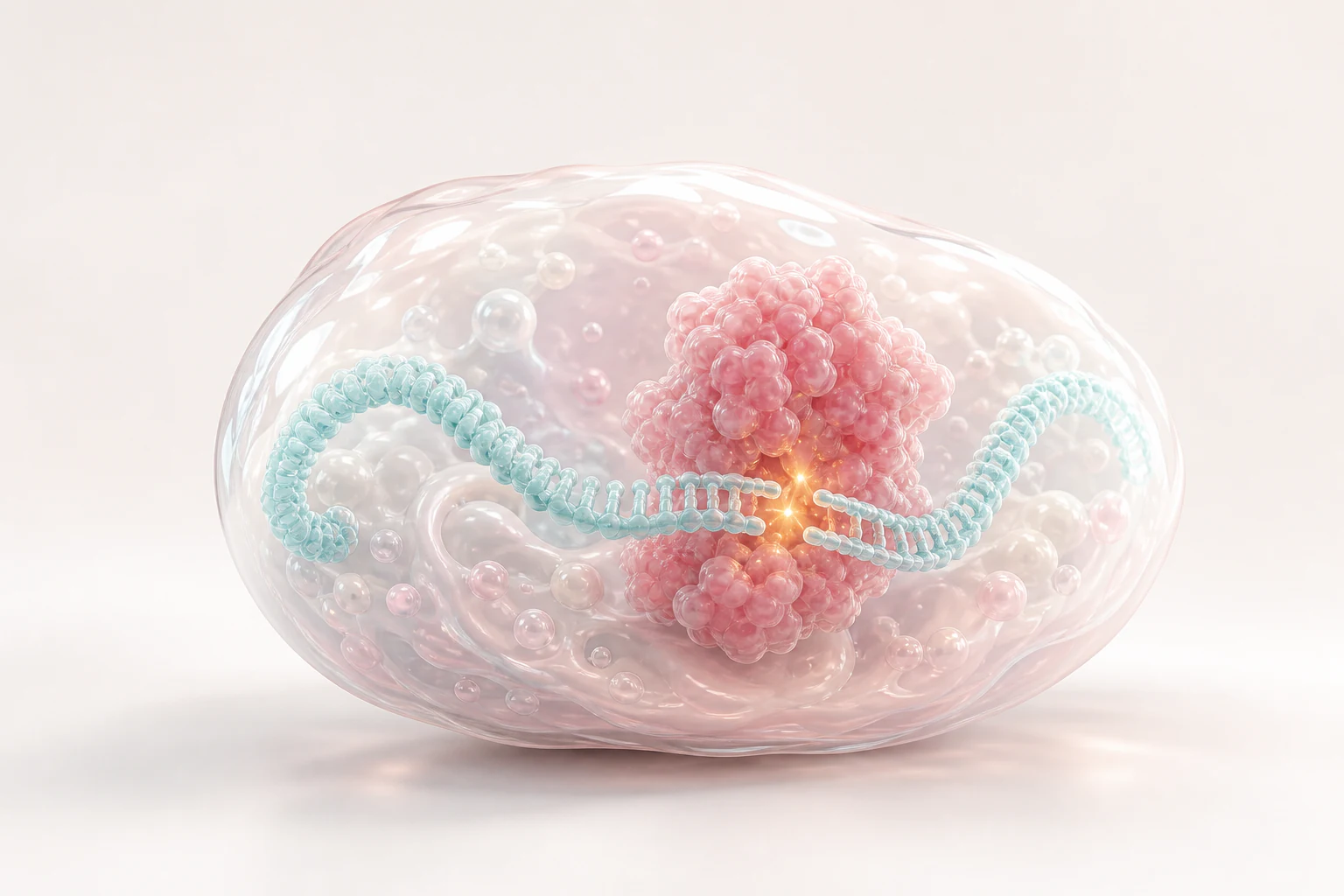
Why CRISPR Gene Editing Animation Services Matter
CRISPR gene editing animation services matter because gene editing platforms are often judged before a viewer has time to understand the biology. A buyer may see a homepage, a deck slide or a conference panel for only a few seconds before deciding whether the science feels credible. If the visual story is vague, the platform can look like every other editing company even when the chemistry, delivery strategy or repair profile is different.
A strong animation or render turns a complex workflow into a readable sequence: delivery into the right tissue, entry into the cell, guide RNA recognition, nuclease positioning, DNA modification, repair outcome and biological effect. That sequence helps research teams, platform companies and therapeutic developers explain why their approach is precise, scalable or commercially differentiated.
Animiotics builds CRISPR gene editing animation services around buyer comprehension. The work is not just a beautiful molecule spinning on screen. It is a communication system for websites, investor decks, BD materials, scientific presentations, launch visuals and animation-ready storyboards.
- Use CRISPR visuals when delivery, editing chemistry or repair outcomes drive the claim.
- Keep the first visual simple enough for a non-specialist buyer to enter.
- Separate explanatory scenes from data proof so each asset has a clear job.
Start With the Editing Claim and Audience Decision
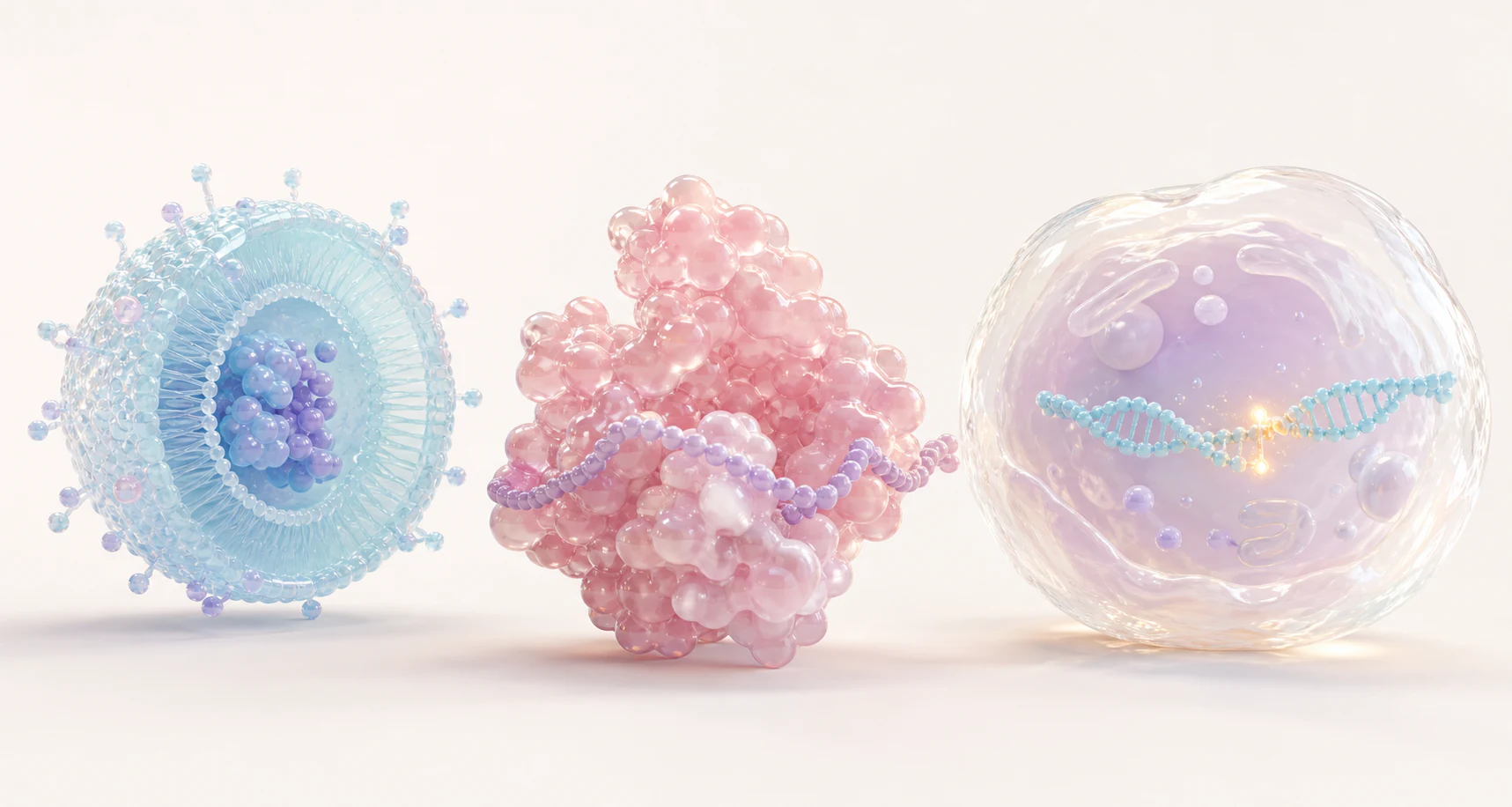
Every CRISPR visual should start with the claim the audience needs to believe. A platform team may need to explain tissue-selective delivery. A therapeutic team may need to show how a guide RNA reaches a target locus and produces a useful repair result. A discovery group may need to compare nuclease, nickase, prime editing or base editing strategies without turning the page into a methods lecture.
The best brief connects the biological mechanism to a buyer decision. Investors may ask whether the editing approach can scale across targets. Pharma partners may ask whether the modality has a credible delivery path and enough control over outcomes. Research collaborators may ask whether the visual respects the actual molecular workflow. The same biology needs different levels of detail for each audience.
This is close to the planning logic behind AAV gene therapy vector animation because delivery and payload interpretation shape the entire story. CRISPR adds another layer: the viewer must also understand what happens after the editing machinery reaches DNA.
- Name the audience before choosing the level of molecular detail.
- Define the main claim before designing the edit-site scene.
- Build separate versions for investor, partner and scientific review contexts.
Show Delivery Without Losing the Mechanism
Delivery is often the first barrier in CRISPR storytelling. Lipid nanoparticles, viral vectors, engineered particles, ex vivo workflows and local delivery formats all change how the audience reads the platform. A visual that jumps straight to DNA cutting can miss the commercial question buyers care about: how the editing payload reaches the relevant cells in the first place.
A useful animation can show the delivery vehicle as a clean entry point rather than a dense technical diagram. The viewer should see the payload packaged, trafficked and released before the editing machinery moves toward the nucleus. That scene can stay abstract while still signaling the real constraints behind biodistribution, cell uptake, payload size and tissue context.
For teams comparing modalities, delivery visuals should be modular. The same nucleus and edit-site scenes can be paired with different entry routes so the platform can explain multiple programs without rebuilding the visual language from scratch.
- Use delivery scenes to orient the viewer before the DNA-level mechanism.
- Keep payload packaging visually distinct from downstream editing chemistry.
- Design modular delivery assets when the platform spans several programs.
| Story Element | Buyer Question | Visual Treatment |
|---|---|---|
| Delivery vehicle | How does the payload reach the right cell? | Clean particle or vector scene with restrained tissue context |
| Payload release | What enters the editing workflow? | Simplified cargo reveal with guide and protein forms |
| Nuclear access | Where does editing happen? | Translucent cell or nucleus scene with a clear DNA path |
| Program reuse | Can the platform scale? | Reusable visual modules across targets and indications |
Make Editing and Repair Outcomes Understandable
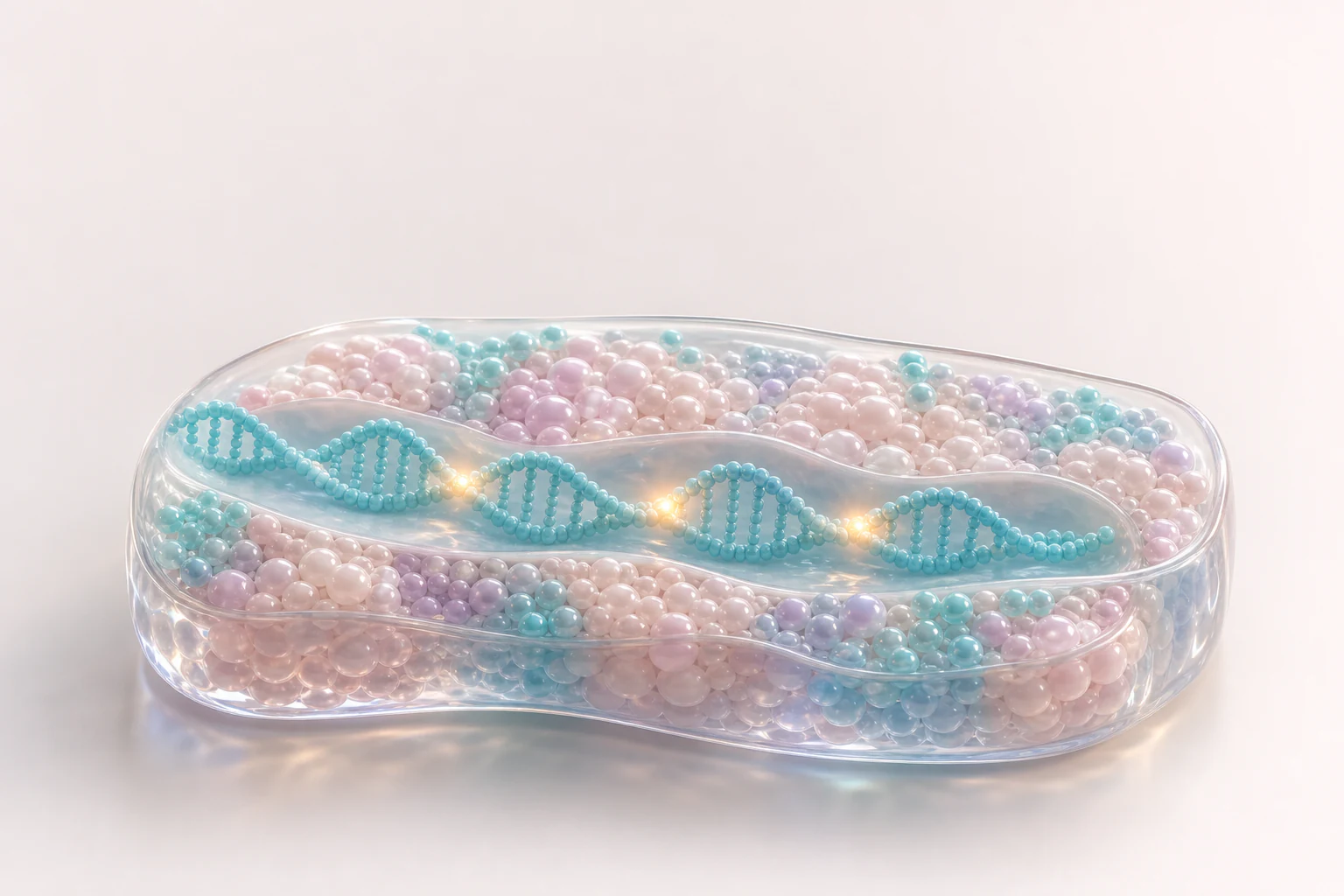
CRISPR animation becomes most valuable when it explains outcomes, not just cutting. Many audiences have heard of Cas9 and guide RNA, but fewer understand why double-strand breaks, nicking, donor templates, indels, homology-directed repair, base changes or prime edits lead to different platform claims. The visual needs to make those differences understandable without turning into a crowded pathway map.
A communication-ready edit-site scene can use a simplified DNA ribbon, an editing complex, a focused glow at the locus and a short before-after transformation. The goal is not to render every atom. The goal is to show what changes, why that change matters and how the result connects to phenotype, target engagement or therapeutic value.
This outcome-first approach also helps avoid overpromising. Explanatory renders should be reviewed against the actual mechanism, assay evidence and program language. If the asset shows a clean correction, the supporting copy should clarify whether the program aims for knockout, insertion, correction, regulation or another outcome.
- Treat DNA cutting as one step inside a larger outcome story.
- Use before-after motion only when the edit result is scientifically accurate.
- Align visual claims with assay evidence and approved platform language.
Build Buyer-Ready Assets for Websites Decks and BD
CRISPR gene editing animation services should create assets for the channels where buyers actually evaluate the company. A homepage needs a polished hero image with negative space and a fast read. An investor deck needs a clear sequence that survives a screen share. A BD deck may need interchangeable modules for delivery, target selection, edit chemistry and evidence. A conference booth needs a visual that is readable from a distance.
The same core story can become a cover render, section images, a short animation loop, a slide sequence, transparent molecular assets and poster crops. Planning these outputs early prevents awkward cropping and helps teams keep captions, alt text and claims consistent across marketing, scientific and business development materials.
The commercial usefulness is similar to biotech website animation services. The visual should make a visitor understand the platform category quickly, then support deeper reading for technical and commercial reviewers.
- Plan desktop, mobile and slide crops before final rendering.
- Export separate web and presentation versions instead of reusing one file everywhere.
- Keep captions short, claim-driven and consistent across channels.
Create a Reusable CRISPR Visual System
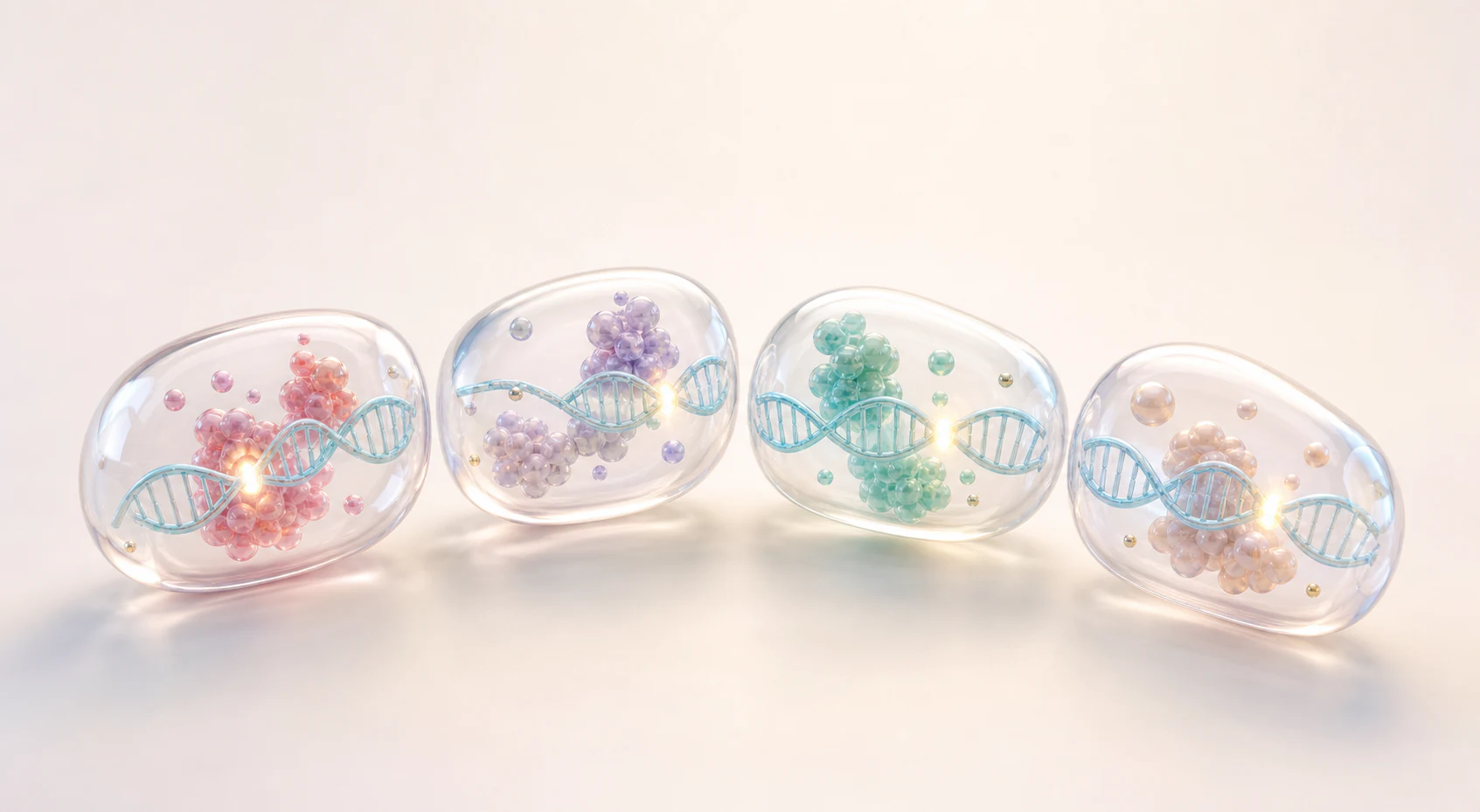
A reusable CRISPR visual system is more valuable than a single hero render. Once the team agrees on how delivery vehicles, guide RNAs, nucleases, DNA loci, repair outcomes and cell context are represented, new program visuals can be produced faster and with fewer review cycles. This is especially useful for platform companies with multiple targets, indications or editing modalities.
The system should include color rules, camera angles, approved molecular abstractions, scene templates, icon-free module crops, animation beats and caption patterns. It should also define what should not appear, such as fake interface overlays, unsupported tissue claims or symbols that imply a clinical result the program has not shown.
Reusable systems make CRISPR visuals feel consistent across a launch page, investor update, conference talk and partner deck. They also let a company add new programs without making each asset look disconnected from the previous story.
- Define visual rules for guide RNA, nuclease, delivery and edit-site scenes.
- Keep scientific review close to the visual system before campaign assets scale.
- Use modular renders so new programs can inherit the same brand-level science language.
FAQ About CRISPR Gene Editing Animation Services
What are CRISPR gene editing animation services?
They are scientific visualization services that turn CRISPR delivery, guide recognition, editing chemistry, repair outcomes and platform value into clear renders, figures, storyboards and animations.
When should a biotech team invest in CRISPR animation?
Invest when the mechanism or platform claim is too complex for static copy alone, especially before a website launch, financing round, pharma partnering push, conference presentation or program announcement.
Can CRISPR visuals show real data?
Yes. The strongest assets often pair polished explanatory scenes with real assay panels, editing outcome charts or simplified evidence figures. The key is to distinguish measured data from explanatory imagery.
How many visuals does a campaign need?
Many teams start with one cover image plus three to five supporting section renders, then expand into slide-ready figures, short animation loops and reusable molecular assets as the story matures.
- Use CRISPR visuals when mechanism, delivery or repair outcomes need fast explanation.
- Pair premium renders with evidence panels when credibility matters.
- Build reusable modules if the platform will support multiple programs.
Ready to Build CRISPR Gene Editing Visuals
CRISPR gene editing animation services are most useful when they turn a complex platform into a sequence buyers can understand quickly. The right visual explains how the payload reaches cells, how the editing machinery finds its target, what outcome is expected and why that outcome supports the platform value.
Animiotics helps biotech, platform and research teams create CRISPR mechanism animations, gene editing renders, deck visuals, website assets, figure systems and animation-ready storyboards. The work can support launch pages, investor decks, BD campaigns, conference graphics and scientific presentations.
Talk to Animiotics about CRISPR gene editing animation services
- Bring the delivery method, editing modality and target audience into the first brief.
- Use a reusable visual system for platform and program-level assets.
- Turn gene editing complexity into buyer-ready visuals without losing scientific discipline.