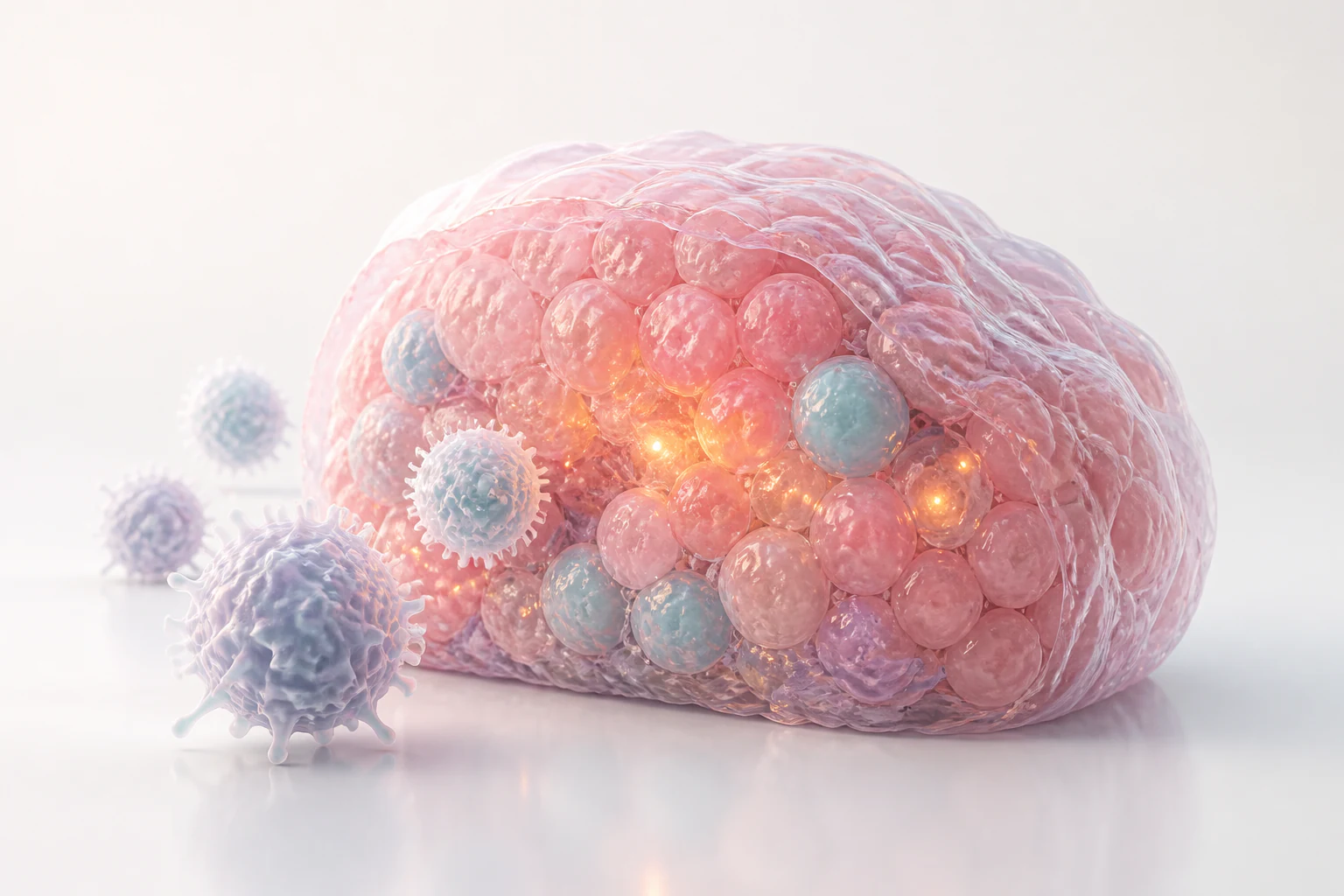
Why Immuno Oncology Animation Services Matter
Immuno oncology animation services matter because immune-oncology stories often ask buyers to understand several scales at once. A platform may involve tumor antigen presentation, T cell activation, checkpoint inhibition, immune exclusion, cytokine signaling, stromal barriers, biomarker status and response heterogeneity. When those ideas are split across dense pathway slides, the commercial story can feel difficult before the science has a chance to be evaluated.
A clear animation or render gives the audience a guided path through that complexity. It can show where tumor cells evade immune detection, how a therapeutic candidate changes the tumor immune interface and why a platform is positioned for a specific patient group or mechanism class. The strongest visuals do not decorate the science. They make the decision logic easier to follow.
Animiotics builds immuno oncology animation services for biotech, platform and research teams that need buyer-ready visuals for websites, investor decks, partner outreach, conference screens and scientific presentations. The goal is to turn immune-oncology biology into useful communication assets without flattening the evidence.
- Use immune-oncology visuals when mechanism, microenvironment and biomarker context need one coherent story.
- Show the tumor immune interface before adding pathway detail.
- Build assets that help scientific, commercial and investor audiences evaluate the same platform claim.
Turn Tumor Immune Biology Into a Clear Story Architecture
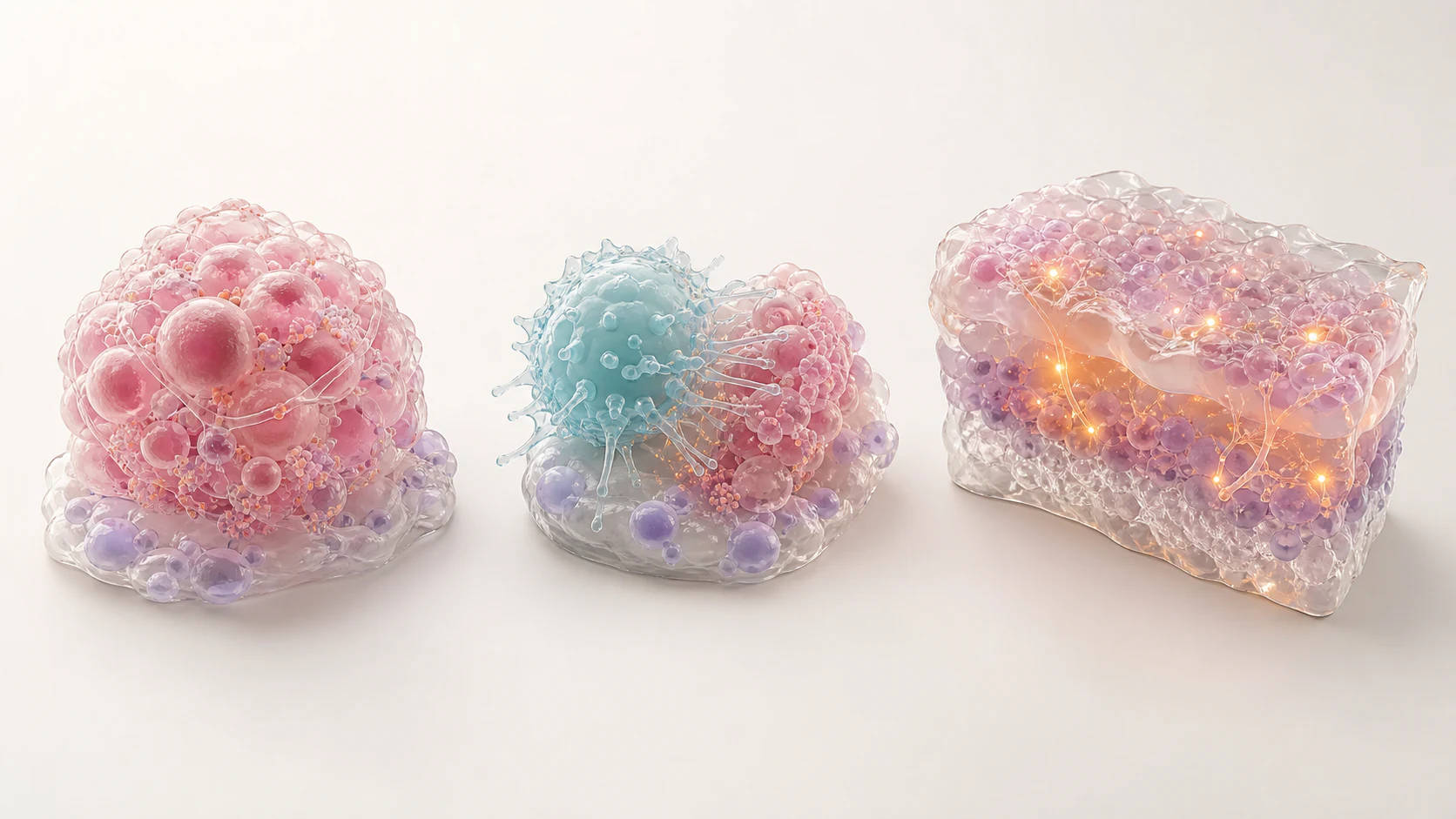
A strong immune-oncology project starts with story architecture. Before polishing a scene, the team should decide what the audience needs to understand first: immune recognition, checkpoint suppression, T cell infiltration, antigen loss, myeloid suppression, cytokine release, combination therapy logic or biomarker-based patient selection. That choice determines the visual sequence.
The most useful story architecture usually moves from tissue context to cell contact to molecular mechanism. A viewer first sees the tumor region, then sees immune cells interacting with tumor cells, then sees the receptor, ligand or pathway event that explains the intervention. This prevents the animation from becoming a floating collection of molecules with no clinical or platform context.
This overlaps with tumor microenvironment visualization but immuno oncology animation services need stronger emphasis on immune engagement, checkpoint response and therapeutic positioning. The viewer should understand what changes in the immune response and why that change supports the platform value proposition.
- Define the tissue context, immune-cell role and mechanism event before designing scenes.
- Use molecular closeups only after the audience understands the tumor immune setting.
- Keep each scene tied to a buyer question about mechanism, evidence or differentiation.
Explain Checkpoint Response Without Overloading the Viewer
Checkpoint biology is visually tempting because it includes recognizable receptors, ligands, immune synapses and pathway signals. The risk is that a scene becomes crowded with every marker a team wants to mention. A better approach is to choose the minimum set of visual elements needed to explain the claim.
For a checkpoint inhibitor, that may mean showing a tumor cell and a T cell at the contact interface while the narration explains how inhibitory signaling is relieved. For a bispecific or engineered immune engager, the scene may need to show proximity, immune activation and tumor-cell killing as separate beats. For a cytokine or innate immune platform, the visual focus may shift toward local activation, diffusion limits or suppressive cell populations.
The same discipline applies to static figures. A buyer-facing image should not pretend to show every receptor or intracellular pathway. It should clarify the key biological move, then let supporting copy or a separate evidence figure explain the data boundary. That restraint makes the science easier to trust.
- Choose one primary checkpoint or immune activation event per scene.
- Separate conceptual mechanism visuals from measured response evidence.
- Use color, depth and motion to guide attention without implying unsupported efficacy.
| Immune Oncology Story Element | Buyer Question | Useful Visual Treatment |
|---|---|---|
| Tumor immune interface | Where does the therapy act? | Translucent tissue scene with visible immune-cell contact |
| Checkpoint response | What signal changes? | Simple receptor-ligand closeup after tissue orientation |
| Immune exclusion | Why are some tumors harder to treat? | Layered microenvironment scene with stromal or suppressive context |
| Platform differentiation | Why is this approach different? | Reusable visual grammar across mechanism, biomarker and evidence scenes |
Connect Tumor Microenvironment Context to Therapeutic Value
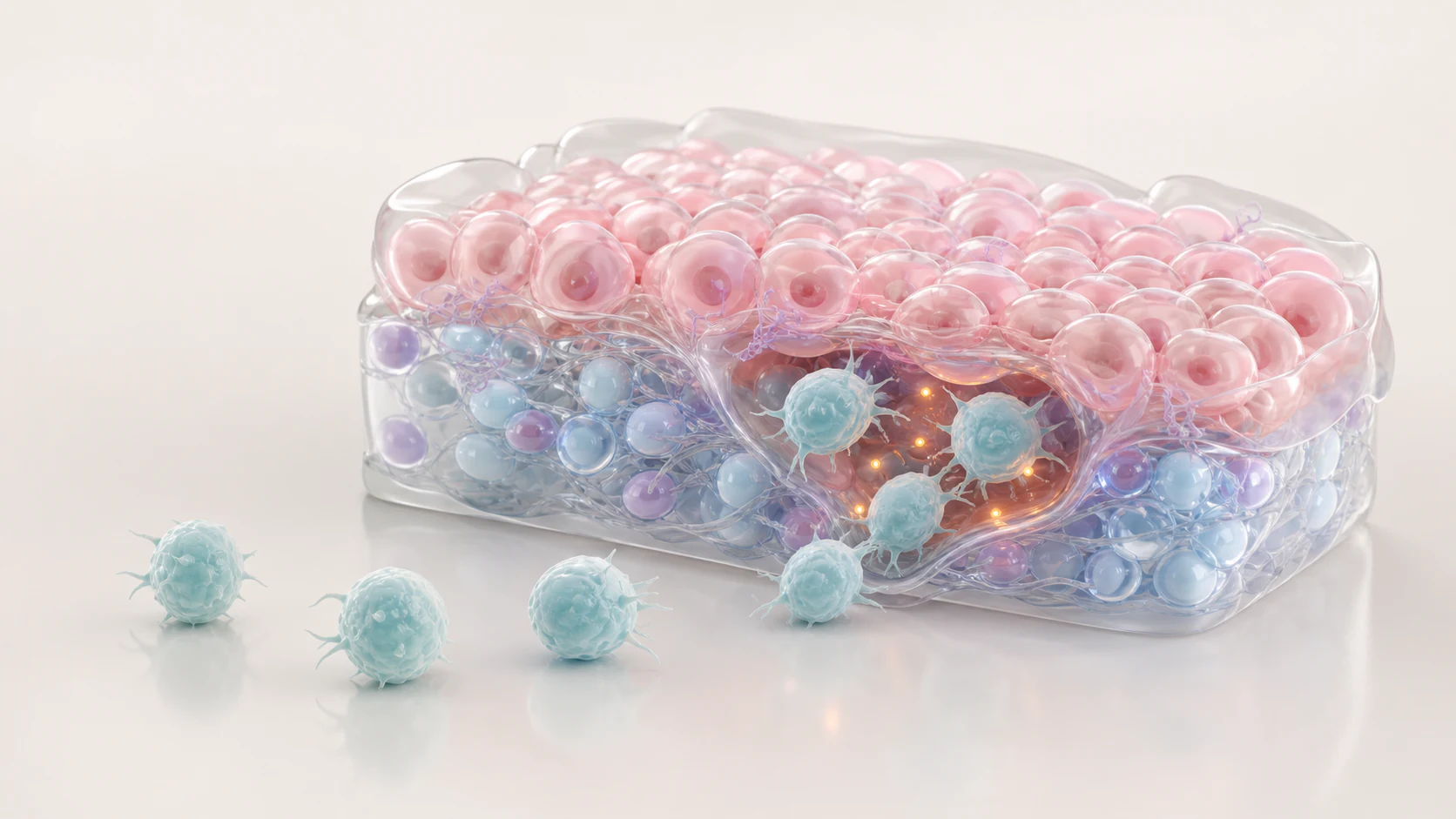
Immuno oncology animation services become commercially useful when they connect tumor microenvironment context to therapeutic value. Buyers rarely need a generic immune-cell illustration. They need to understand how the therapy changes immune recognition, trafficking, activation, suppression or killing in a tumor setting.
That context can be shown with a simplified tissue cutaway. Tumor cells, stromal structure, immune cells and signal regions can be arranged in a way that makes the core biology visible without creating a fake dashboard or overbuilt infographic. The visual should make room for heterogeneity because immune-oncology response often depends on local context.
This is related to mechanism of action animation services but immune-oncology work needs the tissue and patient-selection context to stay visible. The mechanism matters because it changes a tumor immune state. The animation should preserve that relationship.
- Show where the immune response is blocked, redirected or amplified.
- Keep the microenvironment simple enough for fast buyer comprehension.
- Avoid visual claims that imply clinical response beyond the available evidence.
Build Assets for Websites Decks and Partnering
The best immuno oncology animation services produce more than one hero render. A platform website may need a clean visual that quickly signals the therapeutic area. An investor deck may need a three-step mechanism sequence, a differentiation visual and a biomarker-evidence scene. A partnering deck may need to compare patient segments, combination logic, target biology and development maturity.
Planning those uses early prevents asset sprawl. A practical package can include a cover render, a tumor immune interface image, a mechanism sequence, a microenvironment context scene, slide-ready crops and animation-ready storyboards. The same visual language can then support web pages, pitch decks, conference screens, medical affairs material and business development outreach.
Good assets also clarify what is conceptual and what is evidence-backed. Conceptual mechanism scenes can make a hypothesis easier to understand. Evidence figures can show assay or clinical signals. Mixing those roles too casually can weaken credibility. Separating them makes the platform look more disciplined.
- Plan web, deck, conference and partner outreach crops before rendering final assets.
- Use one visual grammar for tissue context, cell contact, mechanism and evidence.
- Write captions that make the role of each image clear.
Create a Reusable Immuno Oncology Visual System

A reusable immune-oncology visual system is often more valuable than a single polished animation. Platform companies may need to explain multiple targets, tumor types, combination strategies, biomarkers and development milestones over time. If each asset uses a different visual style, the pipeline can feel fragmented even when the biology is connected.
A visual system can define how tumor tissue appears, how immune cells are represented, how checkpoint signals are shown, how suppressive regions are distinguished and how therapeutic intervention is visualized. It can also define what to avoid: unsupported glows, busy pathway wallpaper, fake UI panels, unreadable marker labels and decorative molecules that do not explain the platform.
That system helps teams scale communication from the first investor deck to later launch material. It can support checkpoint inhibitors, bispecific immune engagers, cell therapies, innate immune platforms, cytokine engineering, tumor-targeted delivery and biomarker-guided patient selection while preserving a recognizable scientific identity.
- Standardize tissue cues, immune-cell cues, signal cues and evidence cues.
- Build reusable modules that adapt to new targets and indications.
- Review the system with scientific, clinical and commercial stakeholders before broad use.
FAQ About Immuno Oncology Animation Services
What are immuno oncology animation services?
They are scientific visualization services that turn tumor immune biology, checkpoint response, immune-cell engagement, biomarker evidence and platform differentiation into clear renders, figures and animation-ready storyboards.
Who needs immune-oncology visuals?
Biotech startups, oncology platform companies, translational research teams, pharma partners and academic groups use these visuals when immune biology is central to mechanism, fundraising, partnering or product positioning.
Can the visuals include real biomarker or clinical data?
Yes. Strong projects often combine conceptual 3D scenes with assay, biomarker, cohort or clinical evidence. The important point is to separate explanatory scenes from measured data so viewers understand the evidence boundary.
How many assets should a project include?
Many teams start with one cover image plus three or more supporting visuals, then expand into a short mechanism animation, investor deck figures, website crops and a reusable immune-oncology asset library.
- Use immune-oncology visuals when tumor context and mechanism need a fast clear explanation.
- Keep tissue context, cell contact and molecular mechanism visually connected.
- Create reusable assets if the platform supports several targets, indications or combinations.
Ready to Build Immuno Oncology Visuals
Immuno oncology animation services are most useful when they make a platform easier to evaluate. The right assets explain where the therapy acts, how it changes tumor immune biology, what evidence supports the story and why the approach matters for buyers, partners or investors.
Animiotics helps biotech, platform and research teams create immuno-oncology renders, tumor immune visuals, checkpoint mechanism animation, microenvironment figures, website assets, pitch deck visuals and animation-ready storyboards. The work can support fundraising, partnering, launch pages, scientific presentations and conference campaigns.
- Bring mechanism, target biology, biomarker status and buyer context into the first brief.
- Use a reusable visual system for both platform-level and product-level assets.
- Turn immune-oncology science into buyer-ready visuals without losing scientific discipline.