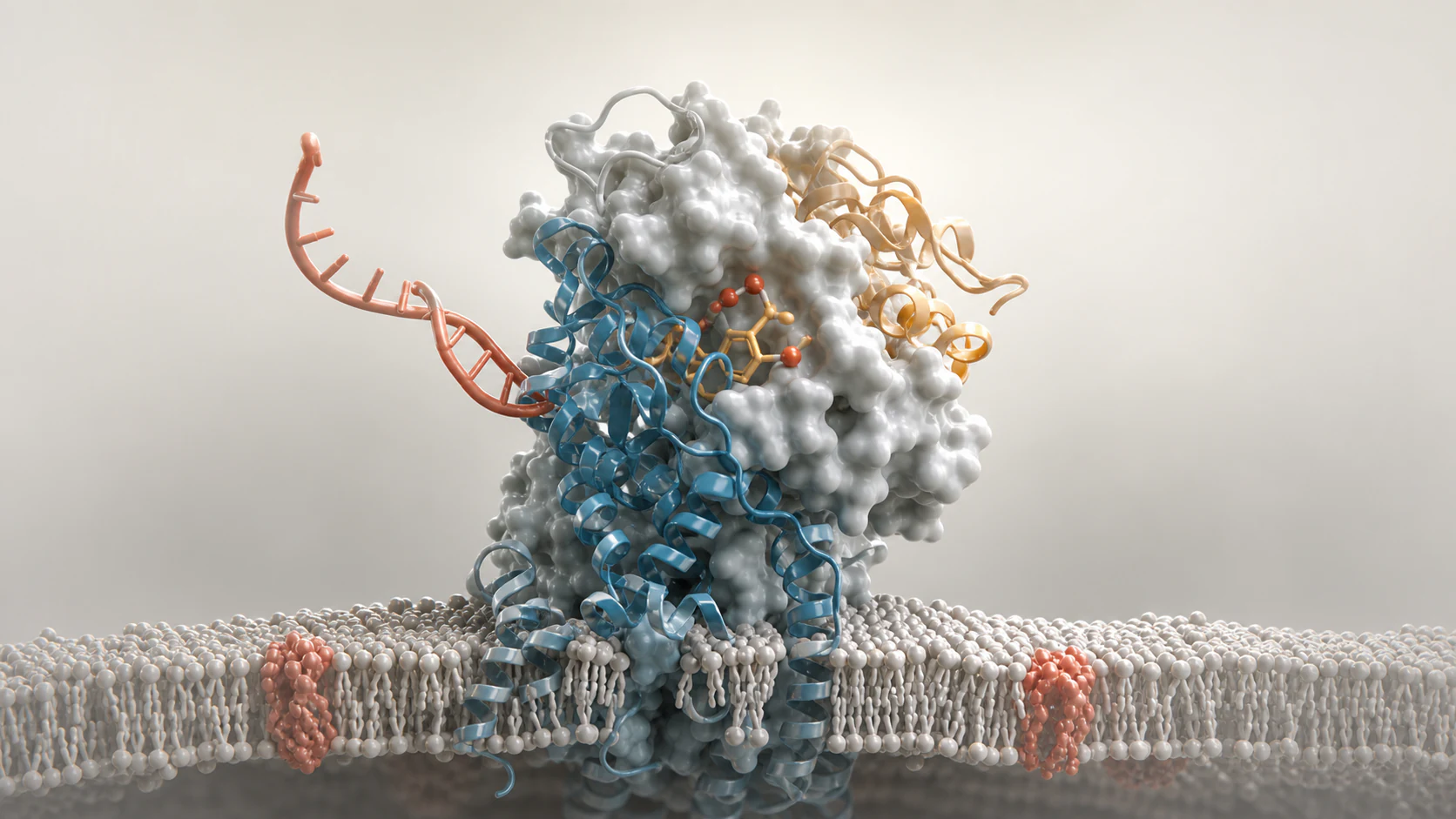
Why Scientific Animation Services For Biotech Matter
Scientific animation services for biotech help companies turn complex biology into visual assets that buyers can understand quickly. A platform may involve structural biology, delivery systems, cellular uptake, tissue context, assays, biomarkers and translational evidence. Each layer may be scientifically defensible on its own, but the commercial story can still fail if the audience cannot see how the parts fit together.
Biotech buyers do not only evaluate a mechanism. They evaluate whether the team can explain the mechanism clearly, defend the evidence and show why the platform is different. Premium scientific animation gives that story a visible structure. It can show the target, the therapeutic modality, the biological environment and the intended outcome without forcing a BD lead, investor, pharma partner or research collaborator to decode a dense slide.
Animiotics builds high-end scientific renders and animations for biotech, pharma, platform and research teams that need invisible biology to become buyer-ready communication. The strongest work is not a generic explainer. It is a visual system that helps the company answer practical questions about mechanism, proof, risk and value.
- Make the first visual answer a buyer question instead of decorating the page.
- Use one clear hero subject per scene so the mechanism stays readable.
- Connect molecular detail to the commercial reason the platform matters.
Start With The Commercial Job Of The Animation
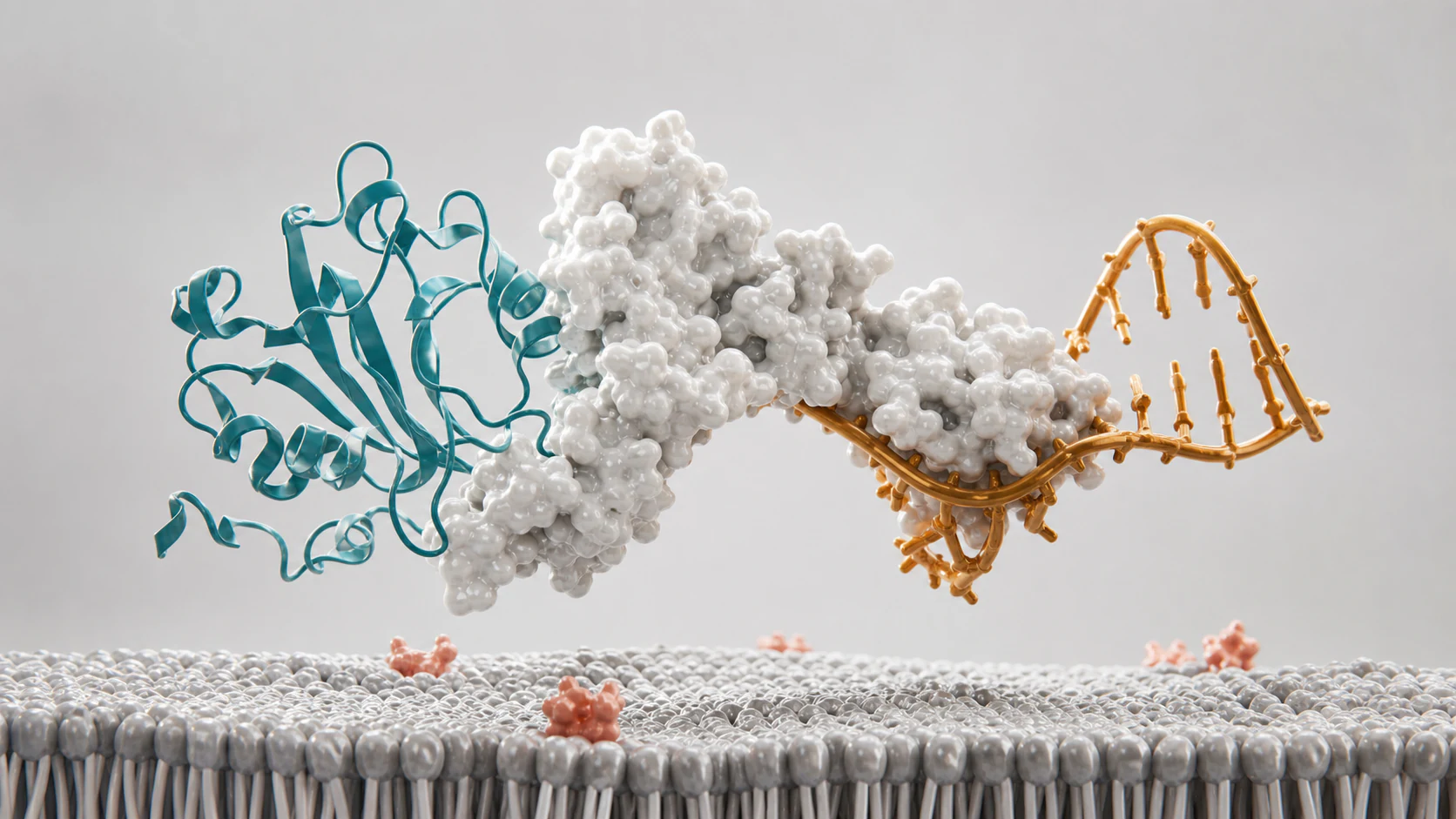
A biotech animation should begin with the commercial job it needs to do. A homepage loop may need to establish platform category in five seconds. A pitch deck sequence may need to show why the mechanism is differentiated. A partnering animation may need to make a modality, delivery route or assay package feel credible enough for a deeper technical meeting.
That goal changes the structure of the visual. A drug discovery platform may need to move from target biology to structure and assay evidence. A delivery company may need to show particle design, tissue targeting and intracellular release. A therapeutic modality company may need to show a protein, RNA, antibody, cell or vector acting inside a realistic biological environment.
This is why broad scientific animation services for biotech should still feel specific. The animation should not become a collage of cells, particles, charts and glowing pathways. It should build a sequence of decisions. What is the platform? What does it do that buyers care about? What evidence makes that claim believable? What asset should the audience remember after the meeting?
- Define whether the animation must sell platform differentiation, mechanism clarity or translational confidence.
- Choose the opening shot based on the buyer's first question.
- Keep decorative scientific elements out of scenes that need evidence hierarchy.
What A Buyer Ready Scientific Animation Should Show
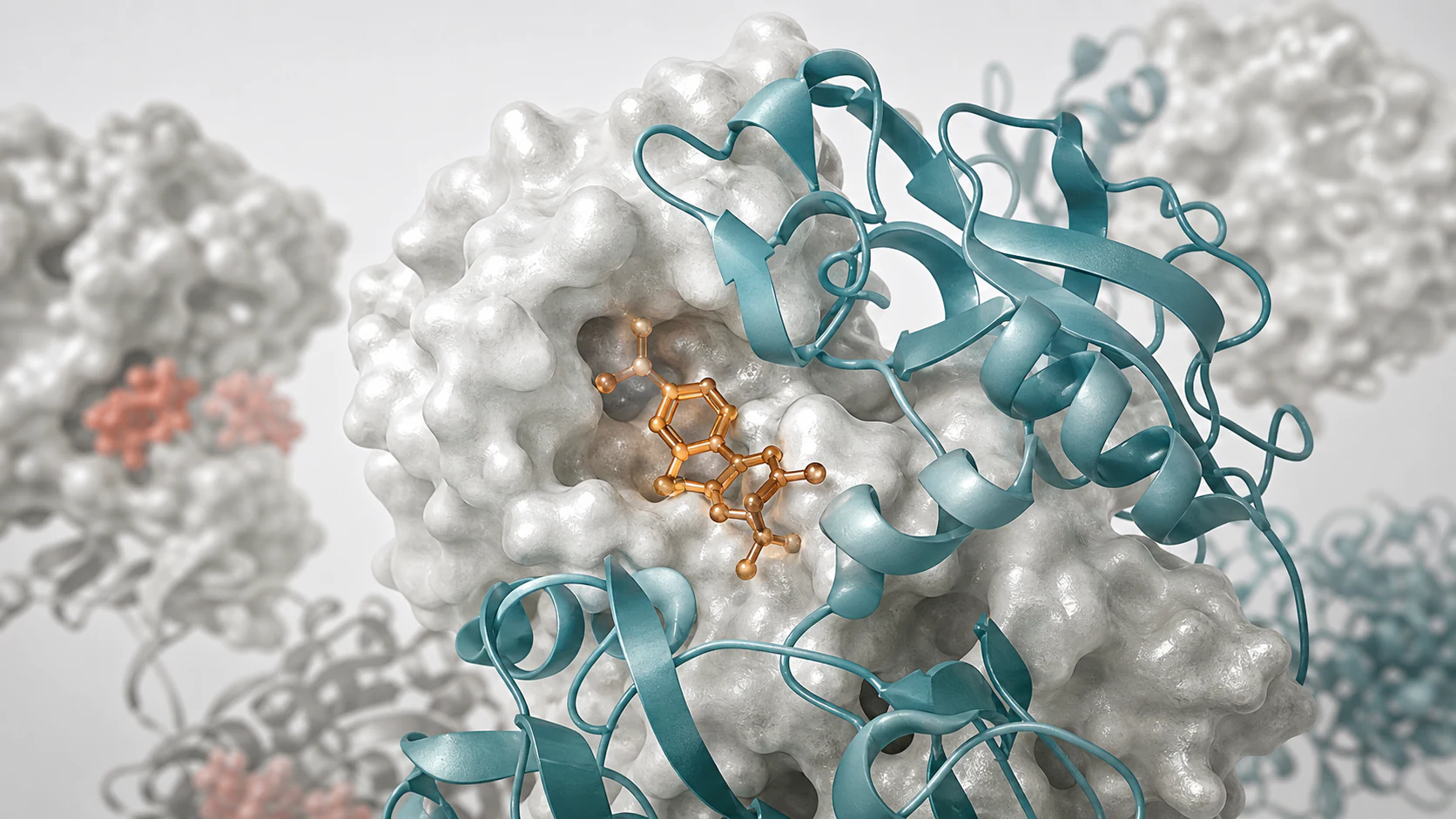
A buyer-ready scientific animation usually needs four layers. The first layer is context: tissue, cell, membrane, molecular complex, device environment or computational workflow. The second layer is action: binding, delivery, editing, signaling, degradation, expression, screening or measurement. The third layer is proof: the visible evidence that supports the claim. The fourth layer is outcome: why the mechanism changes a therapeutic, platform or research decision.
Those layers should not all appear at the same time. Strong animation uses sequence and camera movement to simplify the biology. The viewer may first see a cell membrane, then a ligand binding event, then a pathway shift, then a clean outcome scene. Or the viewer may first see a protein surface, then a binding pocket, then ligand engagement, then a medicinal chemistry decision. Each scene has one job.
For related examples, see https://animiotics.com/blog/structure-based-drug-design-visualization-services-how-to-explain-pockets-poses-sar-and-platform-value-clearly/ and https://animiotics.com/blog/molecular-dynamics-visualization-services-how-to-explain-protein-motion-binding-pathways-and-simulation-evidence-clearly/. Those pages focus on structural biology and simulation, but the same principle applies across biotech communication: visual hierarchy matters more than visual volume.
A polished biotech animation can also create durable assets. The same hero render, molecular scene, cell environment and outcome shot can support a website, deck, launch video, conference booth loop, investor update and partner-specific presentation. This matters because platform companies often need to tell the same story across many contexts without diluting the visual language.
- Show context before mechanism so the viewer knows where the action is happening.
- Show the key biological event before introducing downstream proof.
- Reserve complex assay or evidence detail for sections where it changes the buyer decision.
Deliverables Biotech Teams Usually Need
Most biotech teams do not need one isolated animation file. They need a coordinated package of visual assets. A homepage may need a silent loop that establishes the platform instantly. A pitch deck may need stills that make the mechanism visible in a boardroom. A conference booth may need a looping sequence that reads from a distance. A BD team may need a modular animation that can be adapted for different partners, targets or indications.
An efficient scientific animation scope often includes a hero render, a mechanism sequence, three to six reusable stills, a short website loop and a set of export formats for web, deck and social use. This gives the company more value from one production process because the visual system can be reused instead of rebuilt for every communication channel.
The table below maps common biotech communication needs to useful animation and render deliverables.
| Communication need | Useful deliverable | Why it helps |
|---|---|---|
| Website platform story | Wide hero render and short silent loop | Shows category, material quality and biological focus within seconds |
| Investor or BD deck | Mechanism stills and one concise animation sequence | Lets decision makers follow the platform logic without reading dense methods slides |
| Conference presence | Booth loop with readable silhouettes | Keeps the science recognizable at distance and in motion |
| Partner-specific meetings | Reusable modular scene system | Adapts the same visual grammar to new targets, tissues, modalities or assays |
How Premium 3D Scientific Animation Builds Trust
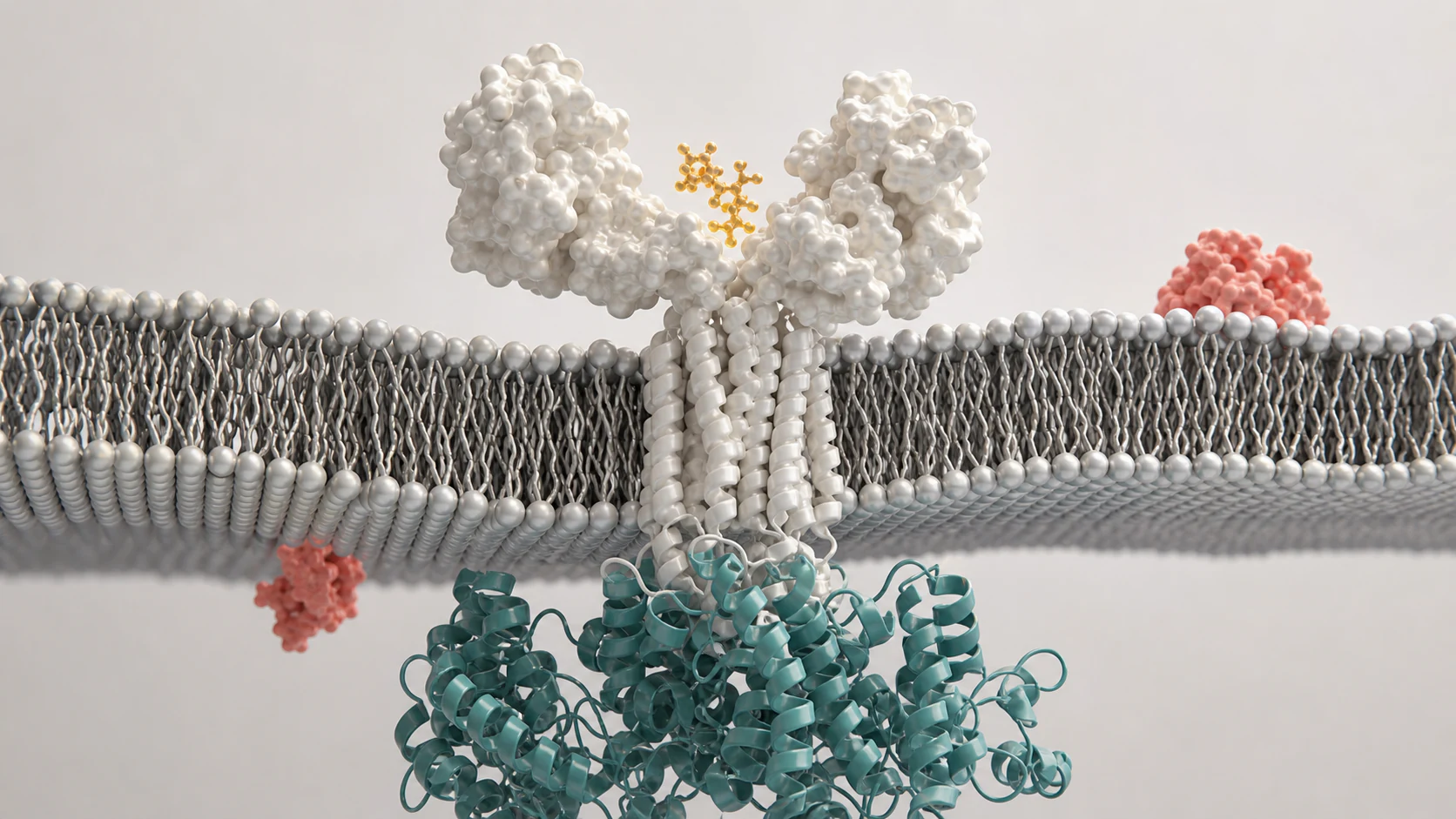
Trust comes from restraint as much as polish. A premium scientific animation should look like a designed Blender or Maya scene with physically plausible materials, disciplined lighting, clear silhouettes and thoughtful depth of field. It should avoid fake interfaces, unreadable labels, decorative dashboards and crowded visual metaphors that make the science feel less serious.
Materials matter. Protein surfaces should feel tactile but not toy-like. Membranes should look flexible and biological rather than like plastic sheets. RNA and DNA strands should have readable geometry without turning into tangled decoration. Cells, organoids and tissue volumes should support the mechanism instead of taking over the frame.
Color also affects credibility. A restrained biotech palette of muted teal blue, pearl white, silver gray, warm amber and sparse coral accents can feel premium without becoming sterile. The goal is to help the viewer separate the hero subject from supporting forms, not to create a rainbow of scientific ornament.
This discipline is especially useful when a biotech team has several related stories. A company working across delivery, editing and tissue targeting can use the same visual grammar to connect related assets. See https://animiotics.com/blog/in-vivo-gene-editing-animation-services-how-to-explain-delivery-editing-windows-tissue-targeting-and-safety-clearly/ for a modality-specific example of how delivery, molecular action and safety can be organized into one clear story.
- Use physically plausible surfaces and lighting instead of decorative sci-fi effects.
- Keep one hero subject in focus and reduce secondary forms to supporting roles.
- Let color guide attention rather than signal every concept at once.
Common Mistakes In Biotech Animation Projects
The first common mistake is trying to show everything. A platform may include discovery, optimization, delivery, mechanism, assays, biomarkers and clinical positioning, but a single shot cannot carry that entire story. When every scene contains every concept, the final animation feels busy and less credible.
The second mistake is treating animation as a generic production task instead of a scientific communication problem. A beautiful render can still fail if it does not answer the buyer's question. Before production begins, the team should know which claim the animation supports, which evidence must be visible and which technical details should stay in backup materials.
The third mistake is failing to plan reusable assets. Many biotech teams commission a one-off video, then later need stills for the website, deck images, social crops and partner-specific variants. A better scope plans those needs early so the animation scenes, camera angles and file exports support the full go-to-market workflow.
The fourth mistake is overusing text inside the visual. Labels, fake dashboards, UI panels and chart-like overlays often make the scene feel like an infographic rather than a premium scientific render. Captions, voiceover and surrounding page copy can carry explanation while the image itself stays clean.
- Avoid packing the full platform into one frame.
- Avoid production scopes that ignore the commercial decision the animation must support.
- Avoid fake UI, labels and decorative chart elements inside cinematic scientific renders.
FAQ About Scientific Animation Services For Biotech
What should scientific animation services for biotech include?
A strong scope usually includes strategic visual planning, storyboarding, scientific scene design, premium 3D rendering, animation, review rounds, final exports and reusable stills for website, deck and campaign use.
How long should a biotech scientific animation be?
A website loop may only need 10 to 25 seconds. A mechanism animation for BD, investor or partner use often works best at 45 to 90 seconds if every scene has a clear purpose. Longer animations can work for training, but buyer-facing assets usually need sharper hierarchy.
Can one animation support multiple audiences?
Yes, if the story is planned modularly. A core mechanism sequence can support investors, pharma partners, research collaborators and internal teams when the scenes are built around shared platform logic. Audience-specific versions can then adjust emphasis, captions and sequencing.
What makes a biotech animation look premium?
Premium work uses clear composition, realistic scientific materials, careful lighting, controlled motion, readable molecular or cellular forms and restrained color. It avoids toy-like surfaces, generic glowing spheres, crowded collages, fake labels and visual effects that distract from the biology.
Ready To Build Scientific Animation Buyers Understand
Scientific animation services for biotech are most valuable when they make a platform easier to evaluate. The right visual system lets a team explain what the biology is, how the mechanism works, why the evidence matters and where the commercial value sits.
Animiotics creates premium 3D scientific renders, mechanism animations and visual systems for biotech, pharma, platform and research teams. For a related service view, see https://animiotics.com/blog/biotech-3d-rendering-services-how-to-turn-platform-science-into-buyer-ready-visual-assets/.
If your mechanism, modality or platform story needs to work on a website, in a deck or inside a partner meeting, start with Animiotics and turn the science into a visual sequence buyers can understand.
- Turn complex biology into clear buyer-facing scenes.
- Build reusable renders and animation assets instead of one-off visuals.
- Make the platform story specific enough for scientific and commercial review.