Why Structure-Based Drug Design Visualization Services Matter
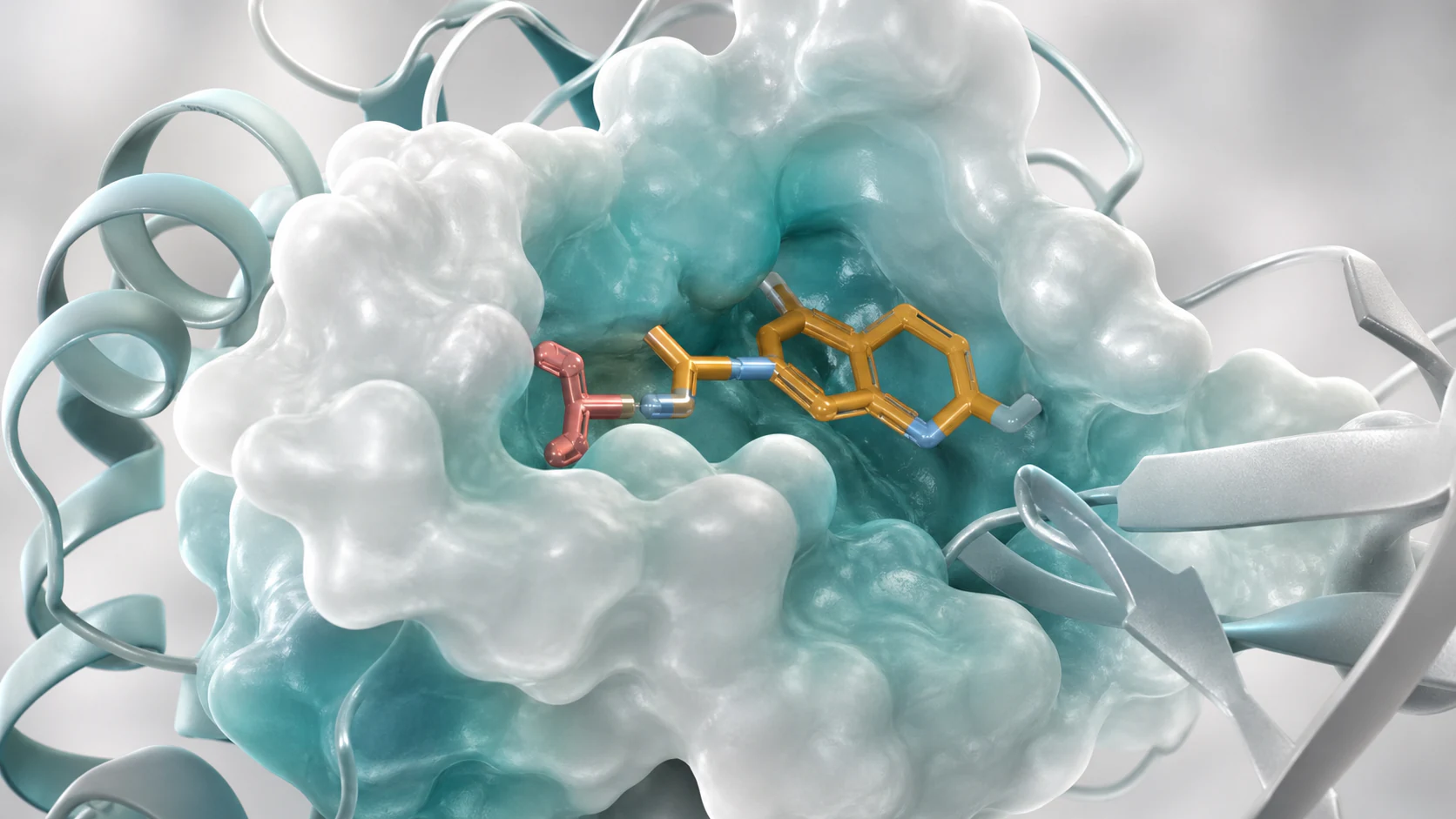
Structure-based drug design visualization services turn structural evidence into assets that drug discovery, platform and biotech business audiences can understand quickly. A binding pocket can contain subtle shape complementarity, water displacement, electrostatic fit, induced-fit motion and residue-level constraints. Those details matter, but they rarely persuade when they stay inside a modeling notebook or a dense structure viewer.
SBDD teams often need to explain why one pose is credible, why a pocket is druggable, why a fragment series deserves investment or why a selectivity claim is plausible. The scientific evidence may be strong, but buyers still need a clean visual path from structure to decision. A premium 3D render, mechanism sequence or short animation can make that path visible in a website hero, investor deck, partnering presentation or scientific talk.
Animiotics builds these assets for teams that need structural biology to work commercially. The goal is not to make a pretty molecule. The goal is to make the pocket, pose, SAR logic and platform value easier to evaluate without weakening the underlying science.
- Show the binding pocket as the decision point, not as background decoration.
- Turn ligand poses into clear evidence for discovery, partnering and fundraising.
- Help buyers connect structural design choices to program value.
Start With The Drug Design Decision
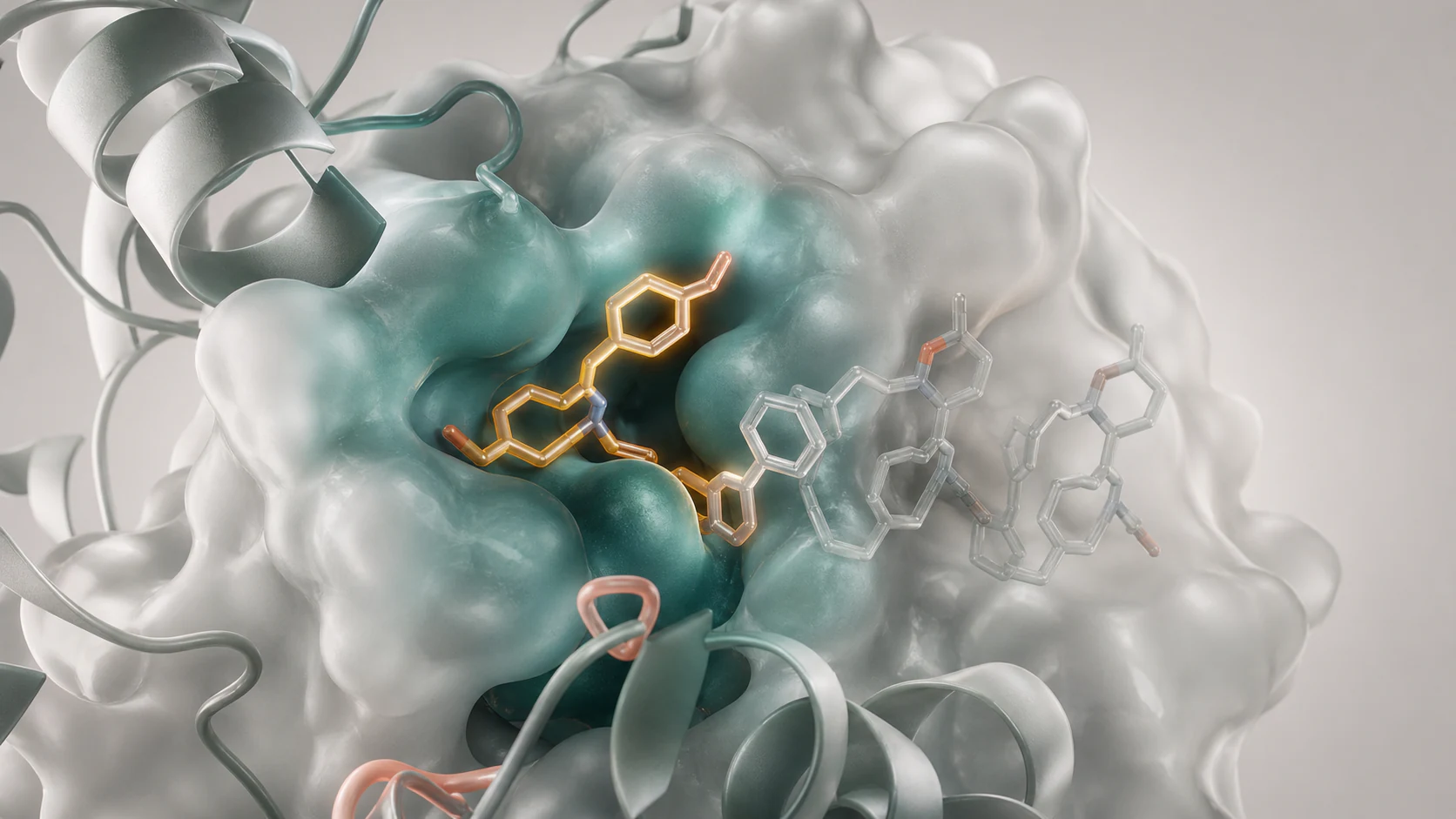
The strongest structure-based visual starts with the decision the audience needs to make. A medicinal chemistry team may need to compare ligand poses. A platform buyer may need to understand how a model ranks pockets. An investor may need to see why structural insight creates a differentiated discovery engine. Each question asks for a different visual hierarchy.
A useful brief separates the structural result from the communication result. The structural result might be a predicted pose, a co-crystal structure, a docking ensemble, a fragment hit, a conserved interaction or a selectivity pocket. The communication result is the message the viewer should retain after ten seconds. For example: this scaffold reaches the key subpocket, this series improves shape fit without losing the anchor interaction or this target class is tractable because the platform sees hidden pocket states.
This article complements Animiotics posts on https://animiotics.com/blog/protein-ligand-interaction-visualization-how-to-build-clear-figures-for-papers-and-drug-discovery/ and https://animiotics.com/blog/drug-discovery-animation-services-how-to-explain-targets-screening-mechanisms-and-platform-value-clearly/. Structure-based drug design visualization narrows the story to pocket evidence, ligand fit and design logic.
- Define the buyer question before choosing a camera angle.
- Choose one structural claim for the hero visual.
- Use detail only where it helps the audience trust the design decision.
What To Visualize In A Binding Pocket Story
A structure-based design story can include many scientific features, but only a few belong in a buyer-facing asset. The strongest candidates are features that explain action: pocket shape, ligand orientation, anchor interactions, solvent exposure, buried surface area, flexible loops, subpocket occupancy, strain, clash avoidance and selectivity-driving residues. These are the details that help a viewer understand why the molecule deserves attention.
Representation matters. Protein surfaces help non-specialists read the pocket. Ribbons provide structural context without overwhelming the frame. Ligand sticks make chemistry legible. Transparent ghost poses can show alternatives without turning the scene into a crowded docking output. A few residue side chains can be valuable, but a forest of atom labels usually makes the message weaker.
For teams working from predictions or simulation evidence, the visual should also clarify confidence. Related guidance on https://animiotics.com/blog/alphafold-3-complex-visualization-how-to-turn-predictions-into-clear-protein-dna-rna-and-ligand-stories/ and https://animiotics.com/blog/molecular-dynamics-visualization-services-how-to-explain-protein-motion-binding-pathways-and-simulation-evidence-clearly/ covers prediction and motion stories. SBDD visuals can combine those inputs into a cleaner design narrative.
- Pocket shape for druggability and tractability.
- Pose logic for why a ligand orientation is credible.
- Subpocket occupancy for SAR and optimization stories.
Useful Deliverables For SBDD Teams
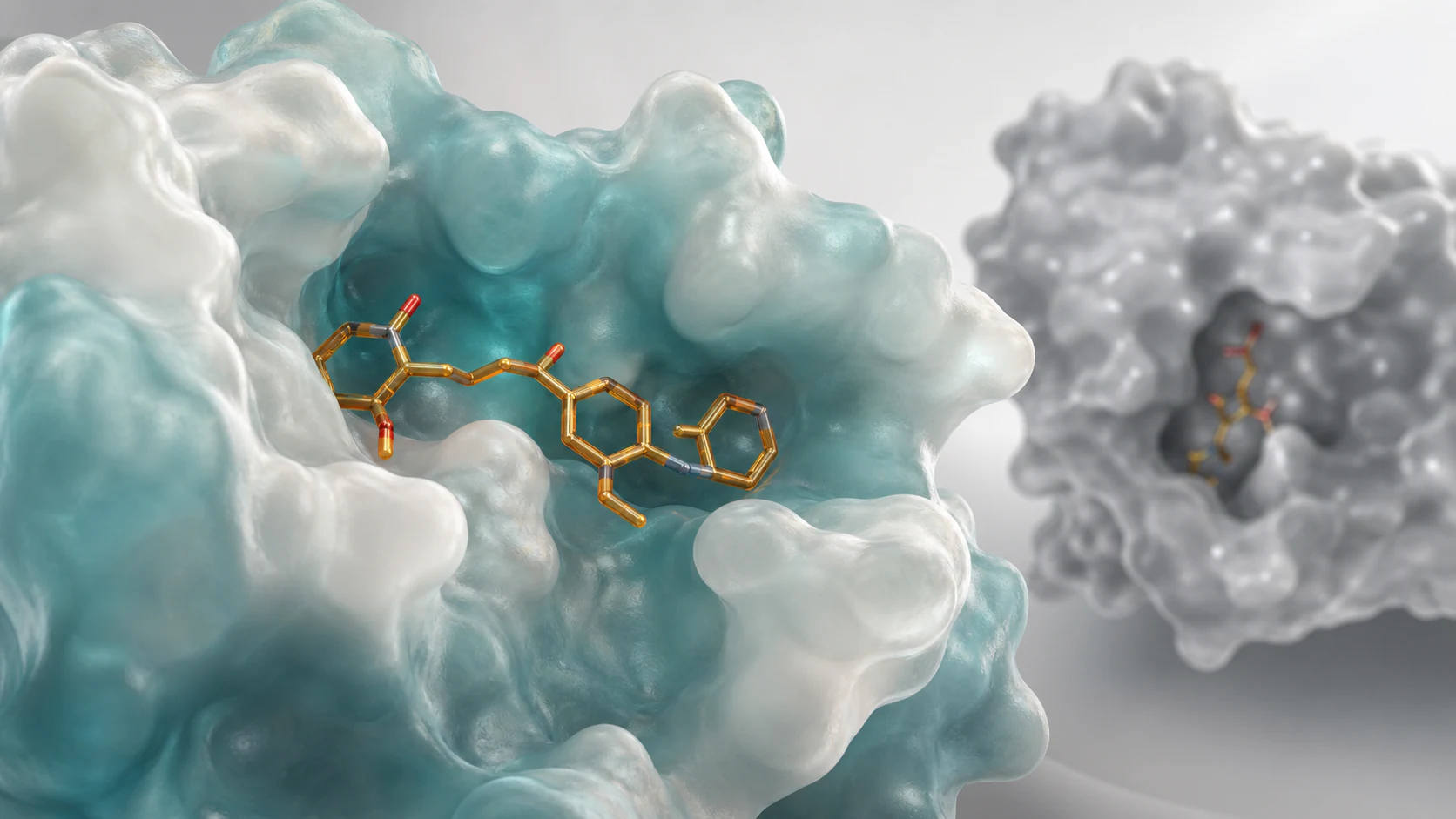
Different moments in the commercial funnel call for different outputs. A website hero needs one premium structural signal. A partnering deck may need a three-step sequence that moves from pocket to pose to selectivity. A scientific presentation may need more residue detail and a defensible view of the model source. A conference booth loop can show the same mechanism with slower camera motion and fewer technical distractions.
A good structure-based package often includes a cover render, three to five mechanism stills, one short animation loop and a reusable molecular scene system. Reusability matters because discovery programs change quickly. If camera positions, materials, ligand colors and pocket representations are built consistently, the team can update molecules and claims without rebuilding the story every time.
The table below maps common SBDD communication needs to visual assets that usually work well.
| Need | Best visual asset | Why it works |
|---|---|---|
| Explain a binding mode | Pocket render with ligand pose | Shows the structural claim in one frame |
| Compare hit series | Pose sequence with shared camera | Keeps chemistry changes easy to scan |
| Support selectivity | Target and off-target pocket render | Makes fit differences visible without a dense table |
| Pitch a platform | Reusable structural visual system | Connects discovery method to repeatable value |
How To Keep Structure-Based Visuals Scientifically Honest
The main risk in SBDD visualization is visual overclaiming. A polished render can make a predicted pose feel more certain than the evidence supports. A careful production workflow keeps model source, confidence, experimental support and simplification notes visible during review. The final asset can be simpler than the source package, but the design team and scientific team should know what each visual choice represents.
Scientific review should happen before final polish. The review package can include source structures, selected poses, residue choices, pocket measurements, ligand identifiers and notes about any cleaned geometry. This gives structural biologists, computational chemists and medicinal chemists a chance to catch misleading contacts, impossible geometry or emphasis that could distort the claim.
The final visual should also resist unnecessary noise. Water molecules, ions, side chains and contact networks are valuable when they support the claim. They are not valuable when they bury the message. Animiotics usually builds the scene around one hero pocket and a small number of supporting forms so the audience knows exactly where to look.
- Document which structure or pose supports each visual.
- Use residue detail near the claim, not everywhere.
- Review scientific accuracy before final lighting, materials and camera polish.
Where SAR Visualization Adds Commercial Value
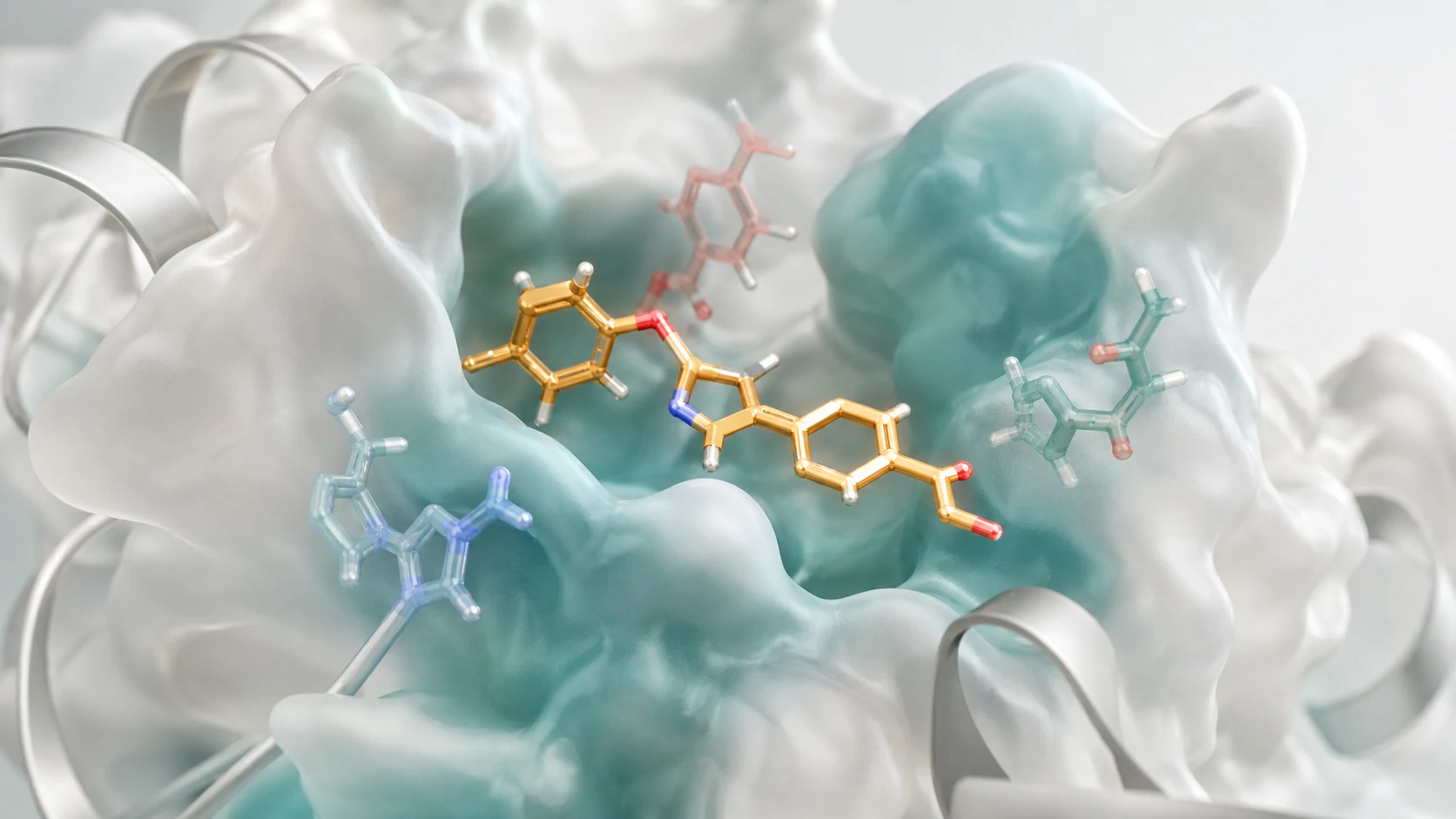
SAR is often communicated as a table, but a table alone rarely explains why the series is improving. Structure-based SAR visualization can show how one scaffold keeps a key anchor interaction while a substituent reaches a new subpocket. It can show why a clash limits potency, why a polar group changes exposure or why a selectivity pocket creates a better therapeutic window.
This type of visual is especially useful when a platform company needs to show that its discovery engine is not just producing scores. Buyers want to see how the platform turns structural insight into better molecules. A short visual sequence can connect hit discovery, pose selection, optimization logic and evidence in a way that a raw cheminformatics view cannot.
For biotech teams preparing a raise, partnership meeting or platform launch, SAR visuals also create continuity. The same ligand colors, pocket materials and camera angles can appear across a website, deck and technical appendix. That consistency makes the science feel more coherent and helps the buyer remember the central claim.
- Show how substitutions change pocket occupancy.
- Connect potency, selectivity and developability to visible structure features.
- Use one visual language across discovery, investor and partner materials.
FAQ About Structure-Based Drug Design Visualization Services
What inputs are useful for structure-based drug design visualization?
Helpful inputs include PDB or mmCIF structures, ligand files, docking poses, co-crystal structures, residue annotations, SAR summaries, pocket notes and a short explanation of the claim. Screenshots can help define intent, but source files make the final asset more accurate and flexible.
Can SBDD visuals be used when the pose is predicted?
Yes, if the uncertainty is handled carefully. A predicted pose can be useful for communication, but the asset should avoid implying experimental certainty when the evidence is computational. The review process should make the source and confidence level clear to the scientific team.
How many molecules should appear in one visual?
For a buyer-facing hero render, one ligand is usually strongest. For an optimization story, two or three related forms can work if the camera, colors and depth of field keep the main point readable.
Do these visuals replace scientific figures?
No. They translate structural evidence into communication assets. A technical figure may still need exact labels, measurements and methods. A commercial render or animation helps the audience understand why the structure matters before they study the full evidence.
Ready To Turn Structure Into Buyer-Ready Visuals
If your team has binding pocket evidence, ligand poses or SAR logic that is hard to explain outside the discovery group, Animiotics can help turn it into clear renders, figures and animation assets. We can build a visual system around target pockets, ligand fit, selectivity, optimization logic or platform evidence so the story works for scientific review and commercial communication.
Start with the decision the audience needs to understand, then bring the structures, ligand files, current figures and program context. Animiotics can help shape the scientific story, design the molecular render system and produce assets for a website, deck, conference talk or partner discussion. To start a project, visit Animiotics or use /pricing?from=blog.
- Best fit: biotech, pharma, platform and research teams with structural design evidence to explain.
- Typical outputs: cover render, section figures, short animation loops and reusable molecular scenes.
- Primary goal: make pocket evidence and design logic commercially useful without weakening the science.