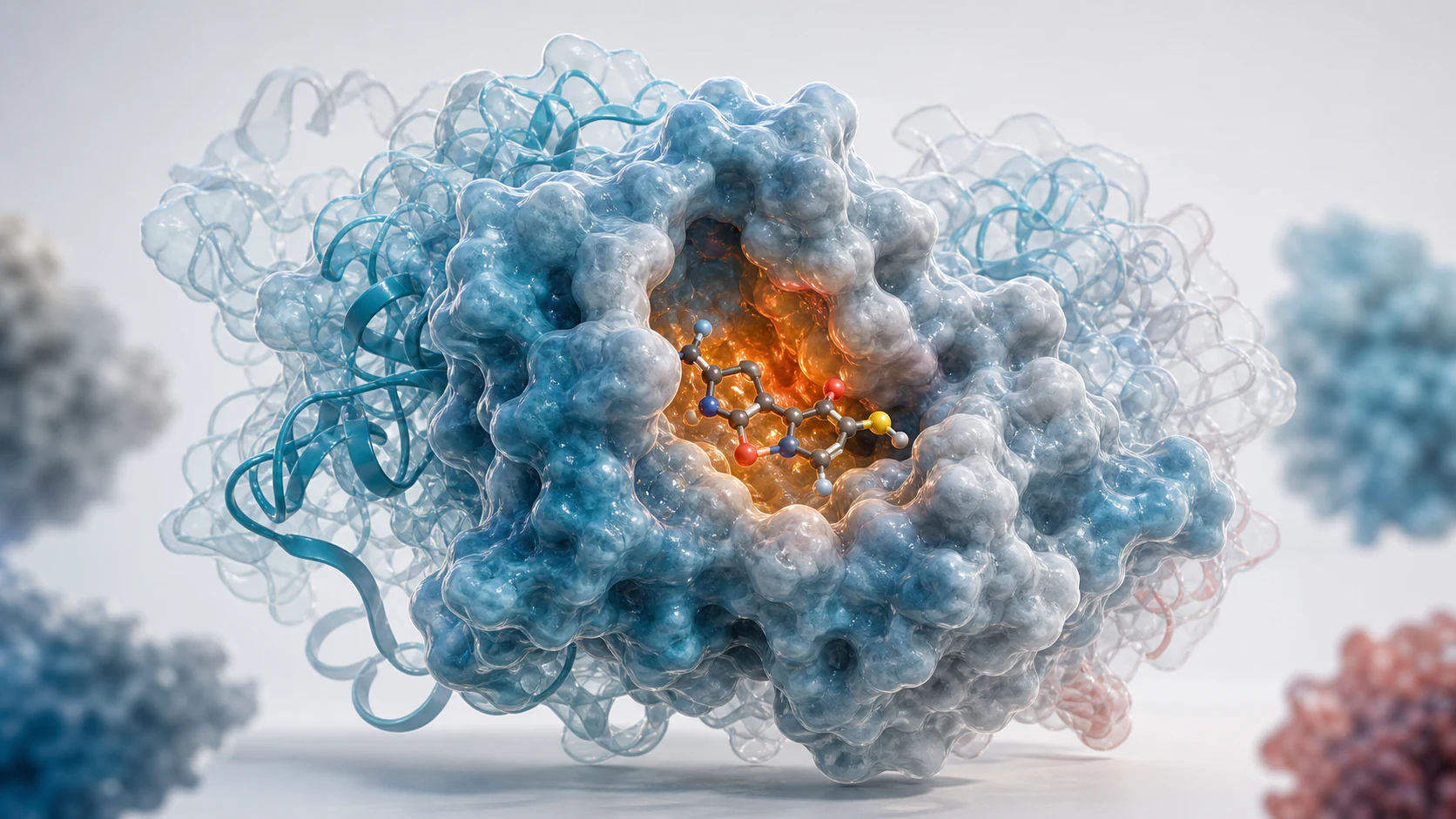
Why Molecular Dynamics Visualization Services Matter
Molecular dynamics visualization services turn simulation output into a story that a scientist, investor, partner or platform buyer can understand quickly. Raw trajectories can contain millions of atom positions, water interactions, transient contacts, pocket opening events and conformational changes. That evidence is valuable, but it is rarely persuasive when it stays inside a desktop viewer or a methods supplement.
Biotech teams use MD simulations to explain protein flexibility, ligand residence time, allosteric coupling, membrane protein states, mutation effects and candidate differentiation. The business problem is different from the computational problem. Buyers need to see why motion matters, where the opportunity sits and how the evidence supports the next decision. A clear 3D render, figure sequence or animation can make that logic visible without forcing the audience to interpret every frame of the trajectory.
This is where Animiotics focuses the visual system. We translate molecular dynamics outputs into buyer-ready assets for websites, investor decks, scientific presentations, launch materials and platform explainers. The goal is not to decorate a simulation. The goal is to make the mechanism, evidence and value easier to evaluate.
- Show protein motion as a decision-relevant mechanism rather than a moving cloud of atoms.
- Convert trajectories into clean hero renders, animation beats and publication-aware figures.
- Help discovery, platform and research teams explain simulation evidence with confidence.
Start With The Buyer Question
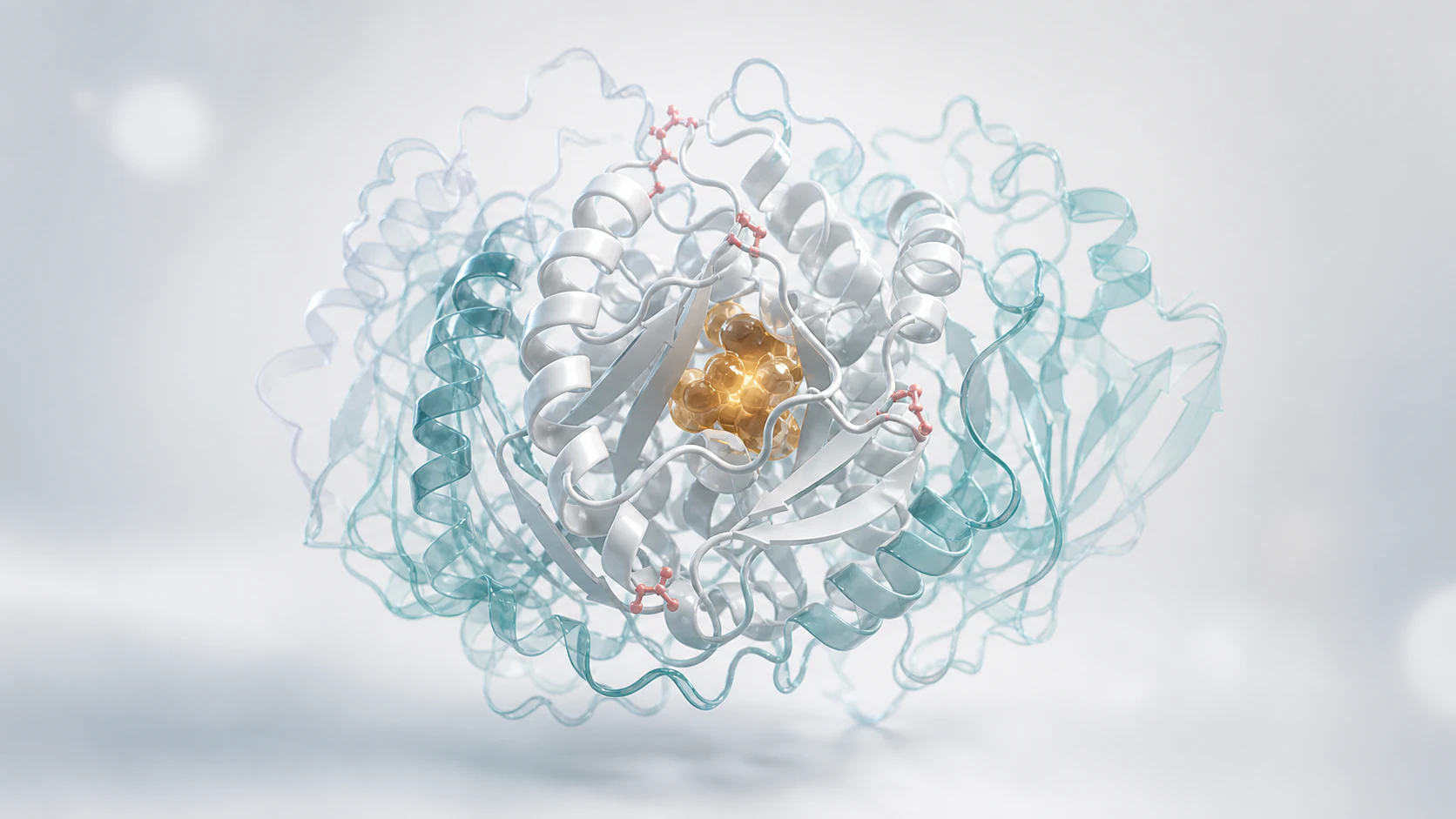
The strongest molecular dynamics visualization begins with the question the audience needs answered. A discovery partner may want to know whether a ligand reaches the pocket through a plausible pathway. A platform buyer may care whether a mutation stabilizes the active state. An investor may need to understand why a conformational ensemble changes the value of a target class. Each case calls for a different visual emphasis.
A useful starting brief separates the simulation result from the communication result. The simulation result might be a pocket opening event, a salt bridge network, a membrane tilt angle or a binding pathway. The communication result is the message the audience should retain after ten seconds. For example: this binding pocket becomes druggable only in one conformational state or this receptor platform can explain selectivity that static structures miss.
Animiotics already publishes adjacent guidance on structural biology and drug discovery visuals. For broader context, see https://animiotics.com/blog/protein-design-visualization-services-how-to-explain-sequence-structure-binding-and-platform-value-clearly/ and https://animiotics.com/blog/drug-discovery-animation-services-how-to-explain-targets-screening-mechanisms-and-platform-value-clearly/. Molecular dynamics visualization builds on those workflows by adding time, state transitions and evidence from simulation trajectories.
- Define the audience before choosing a render style.
- Write the one-sentence scientific takeaway before designing the scene.
- Use the trajectory to support a buying decision, not to display every available frame.
What To Visualize From A Simulation Trajectory
A molecular dynamics trajectory can support many visual stories, but only a few belong in a buyer-facing asset. The most useful candidates are events that connect structure to value: pocket breathing, ligand approach, solvent displacement, hinge motion, loop ordering, membrane interaction, induced fit, allosteric signaling or mutation-driven stability. These are the moments that help a viewer understand what static structures cannot show alone.
The visual treatment should simplify without making the science feel generic. Atomistic detail is useful near the active site or binding interface. Protein surfaces help a non-specialist read pocket shape. Ribbons communicate global motion. Transparent ghost states show conformational sampling. A restrained ligand path can show movement through a tunnel without becoming a diagram. The best composition uses each representation for a purpose.
For teams working with structure prediction or cryo-EM data, molecular dynamics can also help explain why a single model is not the whole story. Related posts on https://animiotics.com/blog/alphafold-3-complex-visualization-how-to-turn-predictions-into-clear-protein-dna-rna-and-ligand-stories/ and https://animiotics.com/blog/cryo-em-animation-how-to-visualize-density-maps-flexible-states-and-drug-binding-clearly/ cover static and density-based storytelling. MD visualization adds motion evidence that can bridge prediction, experiment and mechanism.
- Pocket opening and closing for druggability stories.
- Ligand entry, exit or residence cues for medicinal chemistry narratives.
- Mutation effects, loop ordering and allosteric pathways for platform differentiation.
Molecular Dynamics Visualization Deliverables For Biotech Teams
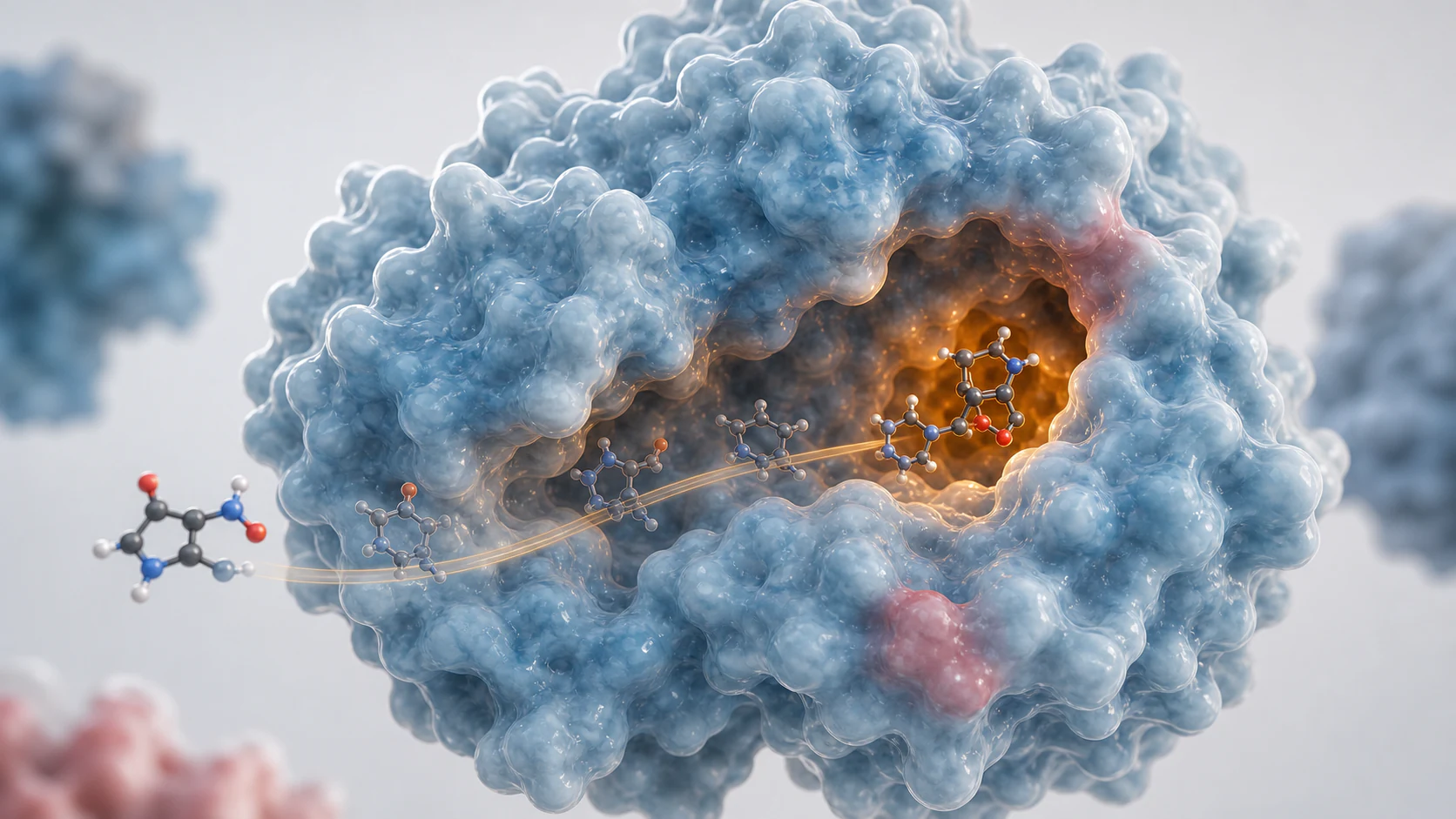
Different commercial moments need different outputs. A website hero needs one clean scientific signal with a premium look. An investor deck needs a compact sequence that moves from problem to mechanism to evidence. A partnering presentation may need a more technical figure that preserves the simulation logic. A conference talk can use a short animation loop that reveals motion gradually while the speaker explains the biology.
A good deliverable set often includes a cover render, three to five mechanism stills, one short motion sequence and a reusable asset library. The library matters because simulation stories often change as programs mature. If the original visual system includes clean materials, camera positions, ligand models and state definitions, the team can update the story without rebuilding every asset from scratch.
The table below maps common MD visualization needs to the asset type that usually works best.
| Need | Best visual asset | Why it works |
|---|---|---|
| Explain protein flexibility | Conformational state render sequence | Shows motion without overwhelming the viewer |
| Show ligand binding pathway | Short animation plus still frame | Connects movement to pocket engagement |
| Support platform positioning | Reusable visual system | Keeps decks, web pages and talks consistent |
| Explain membrane protein states | Membrane embedded hero render | Shows biological context around the target |
How To Keep MD Simulation Visuals Scientifically Useful
The risk with molecular dynamics visuals is overclaiming. A beautiful animation can imply certainty that the simulation does not support. A useful production workflow keeps the source evidence visible to the scientific team while simplifying the final asset for the intended audience. That means documenting which trajectory, state, representative frame or analysis result supports each visual decision.
Scientific review should happen before polish locks in. The review package can include the selected frames, state definitions, pocket measurements, ligand poses and any simplification notes. This gives computational scientists and discovery leads a chance to flag misleading motion, incorrect contacts or visual emphasis that would distort the result. Once the science is stable, lighting, composition and materials can be refined for premium presentation quality.
The final asset should also avoid visual noise. Water molecules, ions, side chains and full atom detail can be important in a technical figure, but they should not dominate a buyer-facing render unless they are central to the message. Animiotics usually builds scenes around one hero mechanism, a few supporting forms and a restrained palette so the viewer knows where to look.
- Use representative frames and documented state choices.
- Keep atomistic detail near the claim, not everywhere.
- Review scientific accuracy before adding final lighting and camera polish.
Where Molecular Dynamics Visualization Fits In The Commercial Funnel
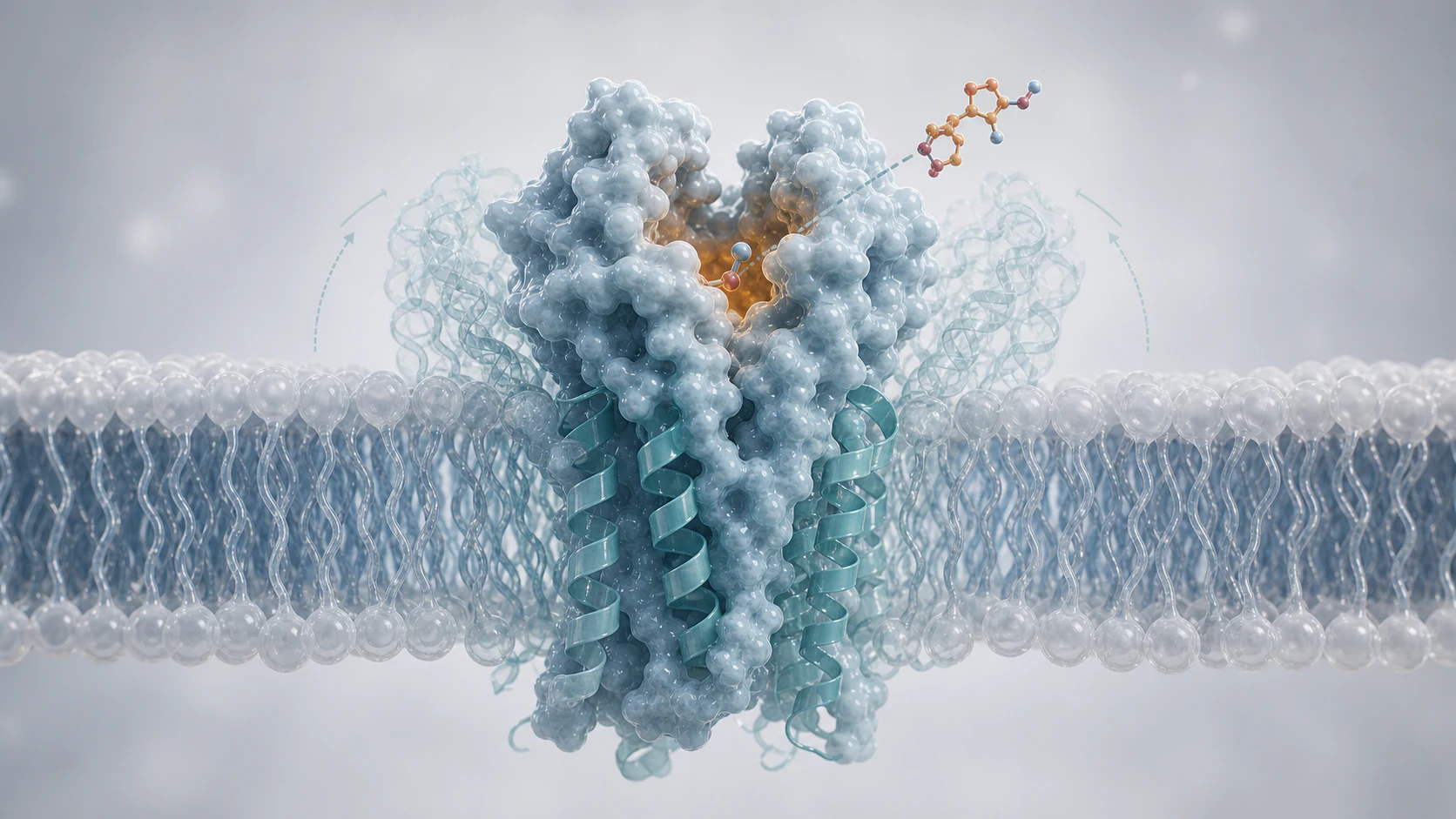
Molecular dynamics visualization can support multiple stages of biotech communication. At the top of the funnel, it can make a platform feel differentiated by showing motion that competitors leave abstract. In sales and partnering conversations, it can explain why a candidate, target class or model system deserves attention. In scientific talks, it can help specialists follow the mechanism before deeper analysis appears.
The strongest commercial use cases connect the simulation to a decision. Does the motion explain a binding opportunity? Does it support selectivity? Does it clarify why a membrane target is difficult? Does it make a therapeutic platform easier to trust? If the answer is yes, the visual should lead with that decision logic rather than with software screenshots or raw trajectory playback.
This is especially important for platform companies. A simulation visual can become a repeatable way to explain how the platform sees targets, prioritizes candidates or validates mechanisms. When the visual language stays consistent across a website, pitch deck and technical presentation, the platform feels more coherent to buyers.
- Website heroes can make simulation capability visible in seconds.
- Investor decks can use MD scenes to connect platform method to target value.
- Partnering materials can show why a candidate behaves differently from static models.
FAQ About Molecular Dynamics Visualization Services
What files are useful for molecular dynamics visualization?
Helpful inputs include trajectory files, representative PDB or structure files, selected frames, ligand structures, pocket annotations, analysis plots and a short explanation of the scientific claim. If the team only has screenshots or a movie export, Animiotics can still help define a visual direction, but source files make the result more accurate and flexible.
Can MD simulation animation be used in investor materials?
Yes, if the story is simplified and reviewed carefully. Investors usually do not need every atom or timestep. They need to understand why motion changes the target, mechanism or platform value. A short sequence and a few clean renders are often more effective than a long technical movie.
How long should a molecular dynamics animation be?
Many commercial assets work best as a 10 to 30 second loop or a few short scenes inside a larger mechanism video. The exact length depends on the number of states and the amount of context the audience needs before the motion makes sense.
Do molecular dynamics visuals replace computational analysis?
No. They translate analysis into communication assets. The scientific claim should still come from the simulation workflow, review process and supporting data. The visual makes that claim easier to understand and remember.
Ready To Turn Simulation Evidence Into Buyer-Ready Visuals
If your team has molecular dynamics results that are hard to explain outside the computational group, Animiotics can help turn them into clear renders, figures and animation assets. We can build a visual system around protein motion, ligand binding, allosteric states, membrane dynamics or platform evidence so the story works for scientific review and commercial communication.
Start with the decision you need the audience to understand, then bring the trajectory evidence, target context and current visual materials. Animiotics can help shape the scientific story, design the render system and produce assets for a website, deck, conference talk or partner discussion. To start a project, visit Animiotics or use /pricing?from=blog.
- Best fit: biotech, pharma, platform and research teams with simulation evidence to explain.
- Typical outputs: cover render, section figures, short animation loops and reusable molecular assets.
- Primary goal: make protein motion and simulation evidence commercially useful without weakening the science.