Why Preclinical Pharmacology Animation Services Matter
Preclinical pharmacology animation services matter because many biotech assets are judged before clinical evidence is available. Investors, pharma partners, scientific advisors and internal decision makers need to understand why a program deserves confidence based on target biology, exposure, dose response, tissue distribution, efficacy signals and early safety context. If those ideas stay scattered across assay plots, animal study tables and technical slide notes, the program can look less coherent than the science actually is.
A strong preclinical pharmacology visual does not replace data. It gives the data a readable path. The audience can see how a candidate reaches the right compartment, engages the intended biology, produces a pharmacodynamic signal, avoids obvious off-target concerns and supports a rational next step. That story is especially important for platform companies that need to connect multiple studies into one credible development argument.
Animiotics builds preclinical pharmacology animation services for biotech, platform, research and translational teams that need website visuals, pitch deck figures, partnering materials, scientific explainers and animation-ready storyboards. The goal is to make early evidence easier to evaluate without making claims that move beyond the study package.
- Use preclinical visuals when dose, exposure, tissue context and safety need one clear story.
- Start with the decision the audience must make before choosing scenes.
- Keep conceptual mechanism visuals separate from measured pharmacology evidence.
Build the Story Around Exposure Target Engagement and Response

A useful preclinical pharmacology animation usually starts with three connected questions. Where does the candidate go? What biology does it engage? What response supports the next development decision? This structure helps teams avoid a common problem: showing a beautiful mechanism scene that never explains why the animal or assay data should change buyer confidence.
The visual sequence can move from administration to systemic exposure to tissue localization to target engagement to a pharmacodynamic readout. That path makes PK PD logic visible even when the final evidence lives in charts elsewhere. A viewer does not need to memorize every concentration value to understand why timing, dose and tissue access matter.
This connects naturally with drug discovery animation services when a team is moving from discovery to development. The difference is that preclinical pharmacology animation services must show how the candidate behaves in a biological system, not only why the target is attractive.
- Map each scene to exposure, target engagement or response.
- Use consistent color cues for candidate, target, tissue context and readout signal.
- Let data charts handle exact values while the render explains the biological logic.
Show Dose Response Without Overloading the Viewer
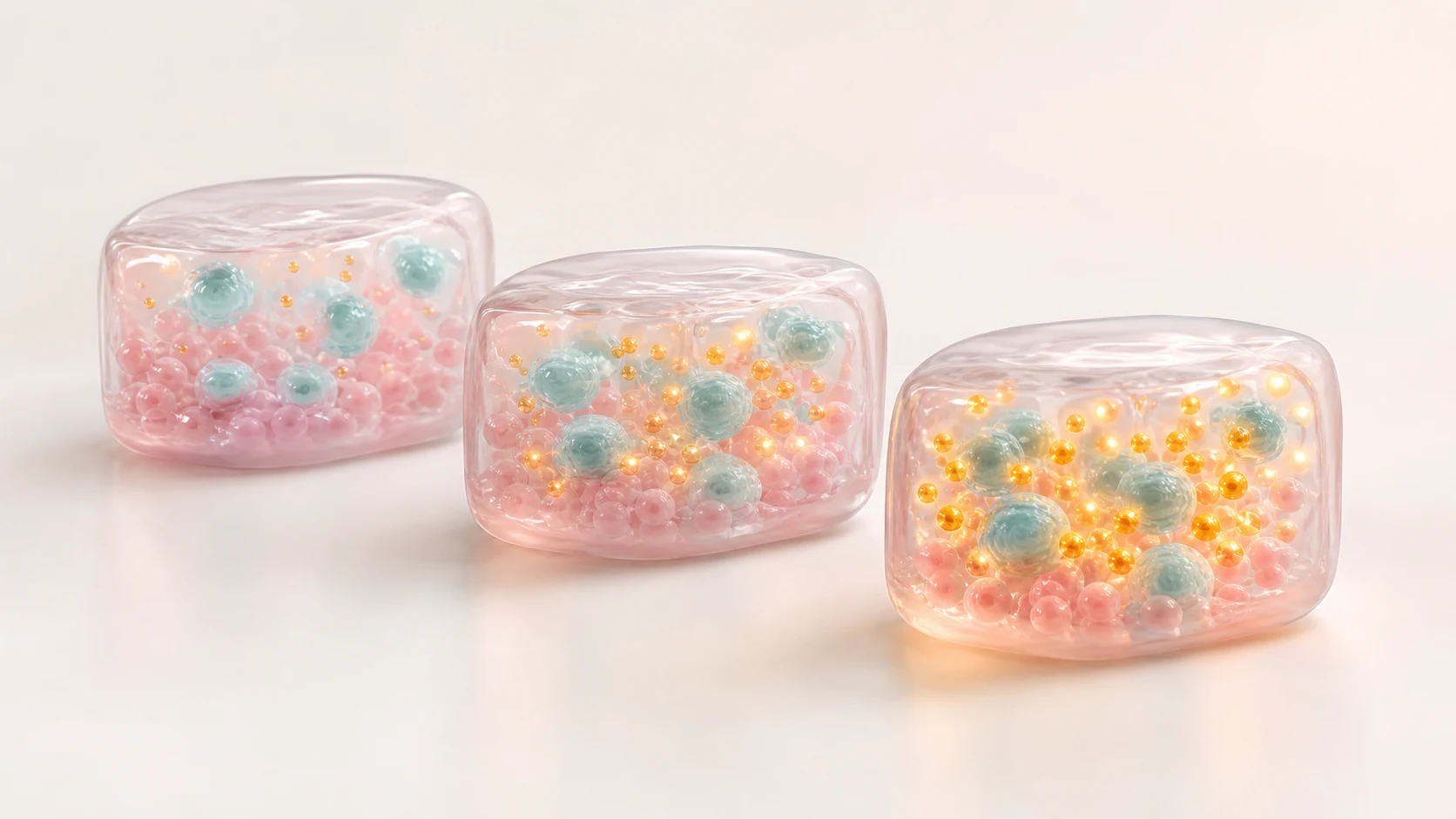
Dose response is one of the most commercially important parts of a preclinical story, yet it is easy to make visually confusing. Teams may need to explain potency, exposure margins, pharmacodynamic response, efficacy windows, tolerability, schedule and route of administration. A buyer-facing visual should not try to compress all of that into one crowded diagram.
A better approach is to show a simple progression. A low-dose scene can show weak target engagement or limited tissue signal. A mid-dose scene can show the desired therapeutic response. A high-dose scene can show saturation, diminished selectivity or a safety boundary when the evidence supports it. This creates a visual bridge to real dose response plots and study summaries.
The animation should make the decision logic obvious: which dose range appears biologically active, which signal supports continued development and which uncertainty still needs additional study. That balance is important for credibility. Preclinical pharmacology animation services should clarify the evidence package, not turn early data into a promise.
- Separate low, active and boundary conditions into readable visual states.
- Avoid pretending that conceptual particles are measured data points.
- Use captions to identify what is mechanistic context versus study evidence.
| Preclinical Question | Visual Priority | Commercial Use |
|---|---|---|
| Does the candidate reach the right tissue? | Biodistribution scene with visible target compartment | Partnering deck or platform page |
| Is there a dose-dependent response? | Three-state response sequence with clear signal change | Investor update or scientific presentation |
| What supports tolerability? | Safety boundary scene with measured evidence kept separate | Development plan or diligence material |
| Why is the next study rational? | Exposure to response storyboard | Board deck or financing narrative |
Make Biodistribution and Tissue Context Readable
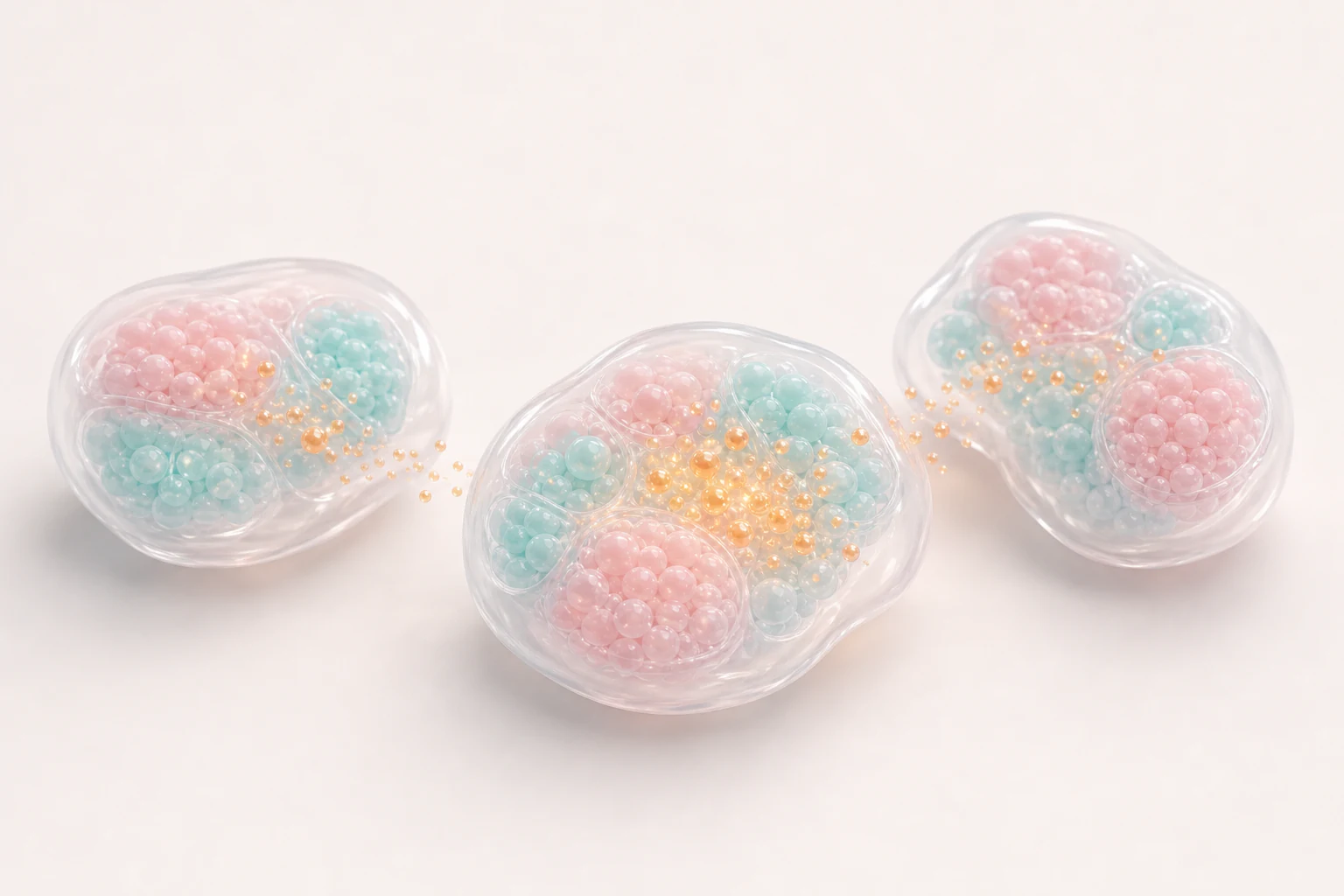
Biodistribution visuals are especially useful when the program depends on delivery, tissue tropism, retention, clearance or localized pharmacology. A nucleotide therapy, protein therapeutic, cell therapy, vector, radiopharmaceutical or targeted oncology asset may all need different visual treatment, but the communication problem is similar. The audience needs to see where the candidate goes and why that location matters.
A clean biodistribution render can show a simplified anatomical or tissue context with the candidate signal entering the relevant compartment. It can show accumulation, penetration, cellular uptake or clearance in a way that supports the study design. The scene should stay simple enough to understand without labels, fake dashboards or dense overlays.
For oncology programs, this may connect with tumor microenvironment visualization. For delivery platforms, it may connect with LNP, viral vector or extracellular vesicle communication. In every case, the visual should help viewers understand the tissue-level evidence boundary.
- Use tissue context only where it helps the pharmacology argument.
- Show localization, penetration or clearance with restrained visual cues.
- Avoid anatomical complexity that distracts from the candidate behavior.
Connect Safety Signals to Development Confidence
Preclinical safety can be difficult to communicate because it is technical, cautious and often incomplete. Teams may need to discuss tolerability, off-target exposure, immune activation, organ-specific findings, therapeutic index, dosing schedule and monitoring plans. A useful animation should make the safety logic easier to follow while staying disciplined about uncertainty.
One practical visual strategy is to show the intended pharmacology in one clean scene and the monitored risk areas in a separate scene. This prevents the story from implying that safety has been solved when the available evidence only supports continued evaluation. The result is more credible for diligence conversations because it respects the difference between mechanism, observation and plan.
This is closely related to translational biomarker visualization services because biomarkers often connect preclinical response to clinical strategy. A strong preclinical visual system can show how exposure, response and monitoring move together toward a better first-in-human rationale.
- Keep safety monitoring visuals visually distinct from efficacy scenes.
- Represent uncertainty with clear boundaries rather than dramatic warning imagery.
- Use the animation to explain study logic while tables carry detailed findings.
Create Assets for Investor Decks Websites and Partnering
The best preclinical pharmacology animation services produce an asset system, not just a single render. A company website may need a clean cover image that signals translational discipline. An investor deck may need exposure, dose response, biodistribution and safety-context figures. A pharma partnering package may need storyboard frames that explain why the next experiment or clinical transition is rational.
Planning these outputs early keeps the communication package consistent. A practical set can include a cover render, a dose response sequence, a biodistribution scene, a safety context render, slide-ready crops and a short animation storyboard. The same visual grammar can then support BD outreach, conference screens, scientific talks, diligence documents and internal program reviews.
This is where preclinical pharmacology animation services can create commercial leverage. The visuals help different stakeholders evaluate the same program from different angles without forcing every conversation to restart with raw study tables.
- Plan website, deck, conference and diligence crops before final rendering.
- Reuse the same candidate, tissue and signal language across every asset.
- Write captions that state the communication role of each image clearly.
FAQ About Preclinical Pharmacology Animation Services
What are preclinical pharmacology animation services?
They are scientific visualization services that turn exposure, dose response, biodistribution, pharmacodynamic readouts, safety context and translational rationale into clear renders, figures and animation-ready storyboards.
Who uses preclinical pharmacology visuals?
Biotech startups, platform companies, translational research groups, pharmacology teams and business development teams use them when early evidence needs to support fundraising, partnering, board updates or scientific education.
Can the visuals include real animal or assay data?
Yes. Strong projects often pair conceptual scenes with real PK, PD, efficacy, biodistribution or safety data. The key is to distinguish measured evidence from explanatory visual context.
How many images should a project include?
Many teams start with one cover image plus at least three supporting visuals for dose response, tissue distribution and safety context, then expand into animation or a reusable preclinical asset library.
- Use preclinical visuals when early evidence needs a clear translational story.
- Keep mechanism context and measured study outcomes visually distinct.
- Build reusable assets if the platform supports multiple programs or modalities.
Ready to Build Preclinical Pharmacology Visuals
Preclinical pharmacology animation services are most useful when they help buyers understand why a program is ready for the next decision. The right assets explain where the candidate goes, what biology it engages, how response changes with dose, what safety context matters and why the evidence supports continued development.
Animiotics helps biotech, platform and research teams create preclinical pharmacology renders, biodistribution visuals, PK PD storyboards, dose response figures, safety-context scenes, website assets and animation-ready decks. The work can support fundraising, partnering, conference campaigns, board updates, diligence packages and translational planning.
Talk to Animiotics about preclinical pharmacology animation services
- Bring study goals, modality, route, tissue context and buyer audience into the first brief.
- Use one visual system for exposure, tissue distribution, response and safety context.
- Turn early pharmacology complexity into buyer-ready visuals without losing evidence discipline.