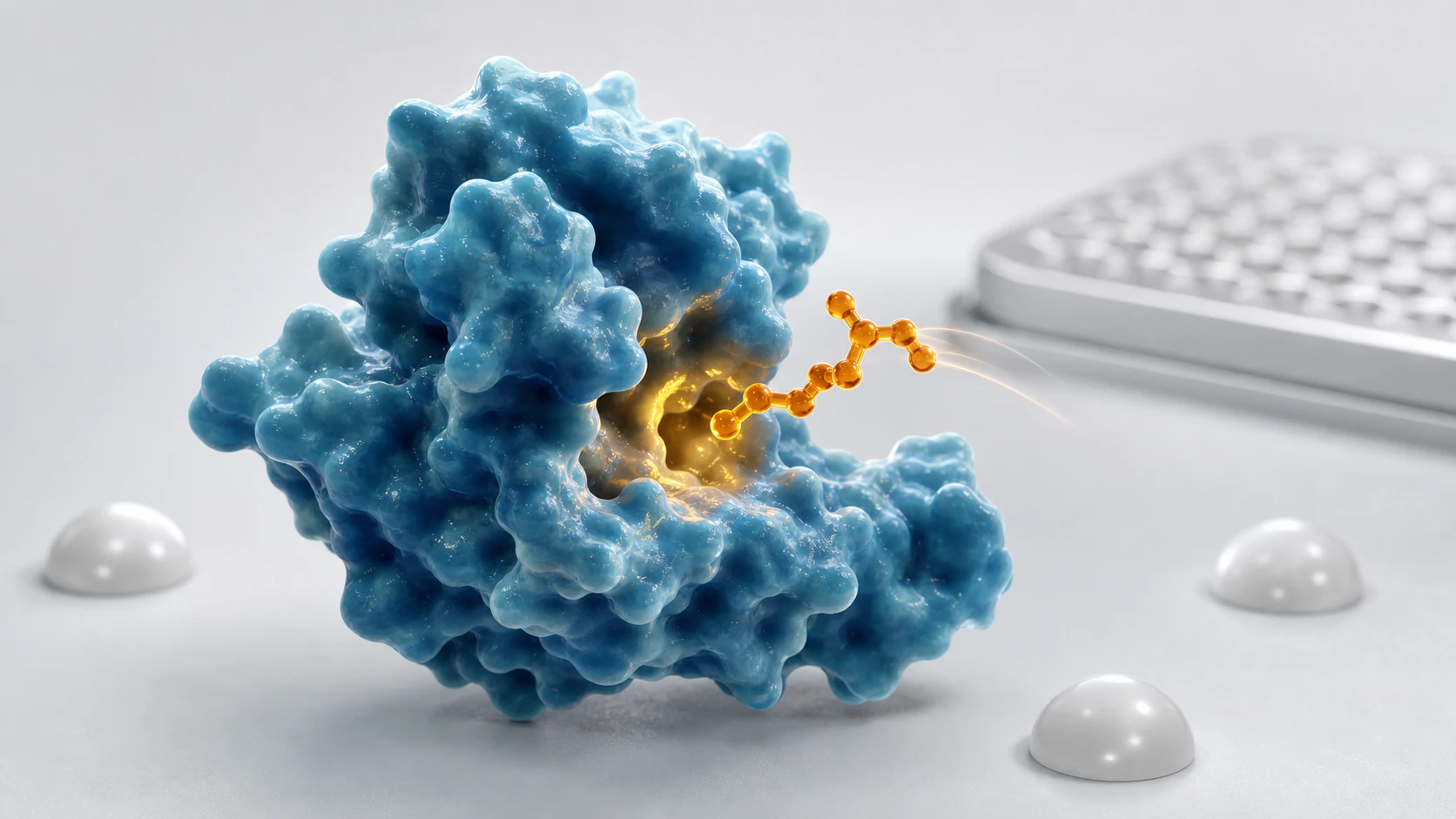
Why High-Throughput Screening Animation Services Matter
High-throughput screening animation services help discovery teams show why a screening campaign is more than a wall of wells. A strong HTS story connects target biology, assay design, compound engagement, signal quality, hit selection and follow-up validation. Without that visual structure, buyers may see an impressive operation but miss the mechanism that makes the platform valuable.
Biotech and pharma audiences do not only want to know that thousands or millions of compounds were tested. They want to understand what was measured, why the assay is relevant, how hits were filtered and how those hits move toward credible therapeutic decisions. A premium animation can make each step visible while keeping the message simple enough for a BD meeting, investor update, website hero or partner presentation.
Animiotics creates high-end scientific renders and animations for biotech, pharma, platform and research teams that need discovery workflows to feel clear, credible and commercially useful. The goal is not to make a generic lab montage. The goal is to turn screening evidence into a visual story that helps buyers understand why the platform can find better starting points.
- Show the target and assay before showing scale.
- Make hit selection feel like evidence instead of decoration.
- Connect screening output to the buyer decision the visual must support.
Start With The Assay Question
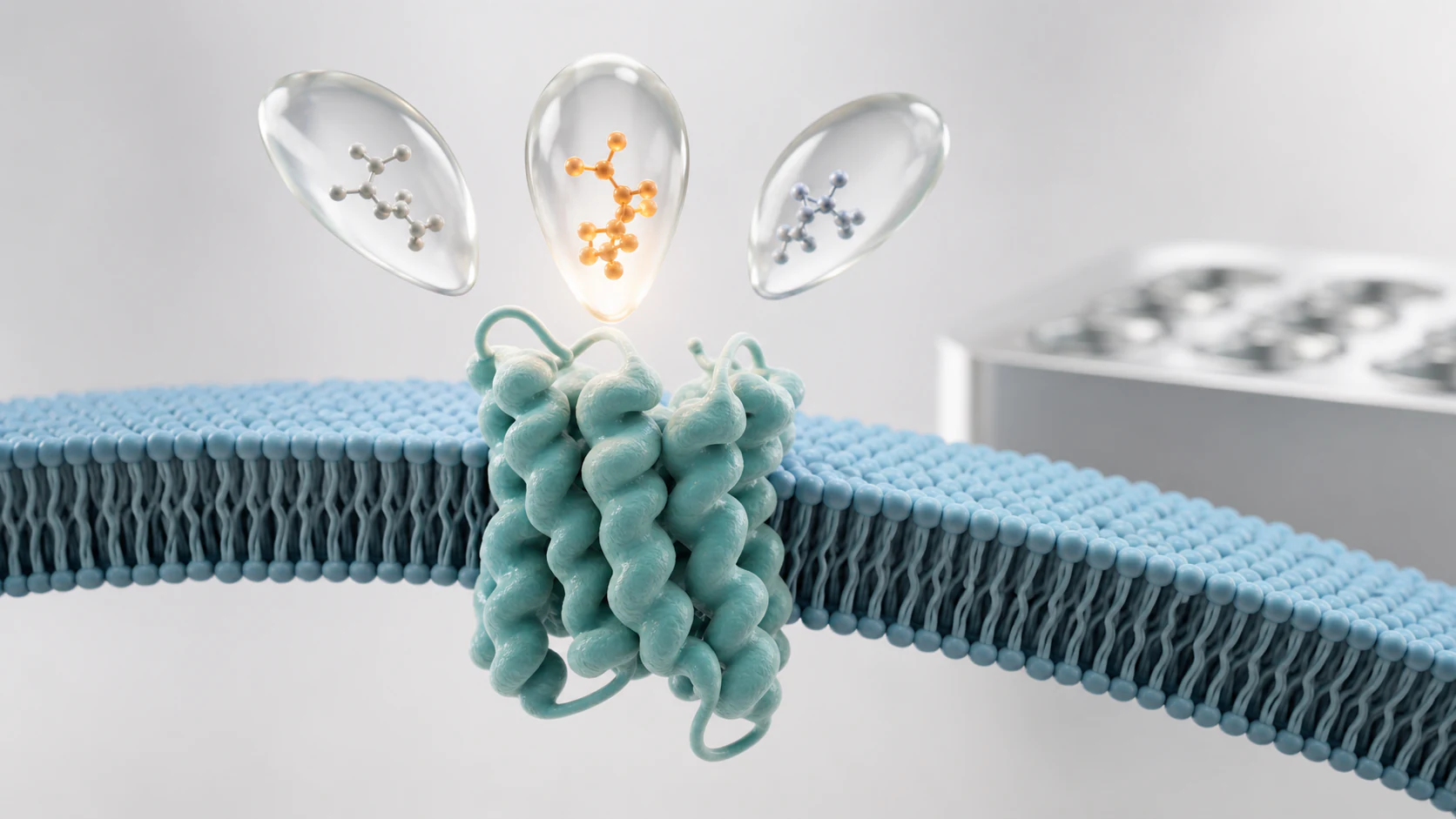
A screening animation should begin with the assay question. Is the platform measuring binding, enzymatic activity, cell signaling, phenotypic rescue, expression change, toxicity, localization or pathway modulation? The viewer needs that answer before scale has meaning. Otherwise the animation risks showing a beautiful plate without showing why the result matters.
For target-based programs, the visual may start with a protein pocket, active site, receptor or molecular complex. For cell-based screens, it may start with a membrane receptor, pathway node, organelle, engineered cell or disease-relevant phenotype. For platform companies, it may start with the differentiated assay architecture that makes the readout more predictive than a standard screen.
This focus keeps the first scene useful. A single membrane receptor with a highlighted ligand can communicate more than a busy grid of wells. A binding pocket with one validated hit can explain more than a collage of compounds. The strongest high-throughput screening animation services use scale only after the biological question is clear.
- Name the assay job before choosing the opening visual.
- Use one target, receptor or cellular readout as the hero subject.
- Treat assay scale as support for evidence, not as the main message.
What Buyer-Ready Screening Visuals Should Show
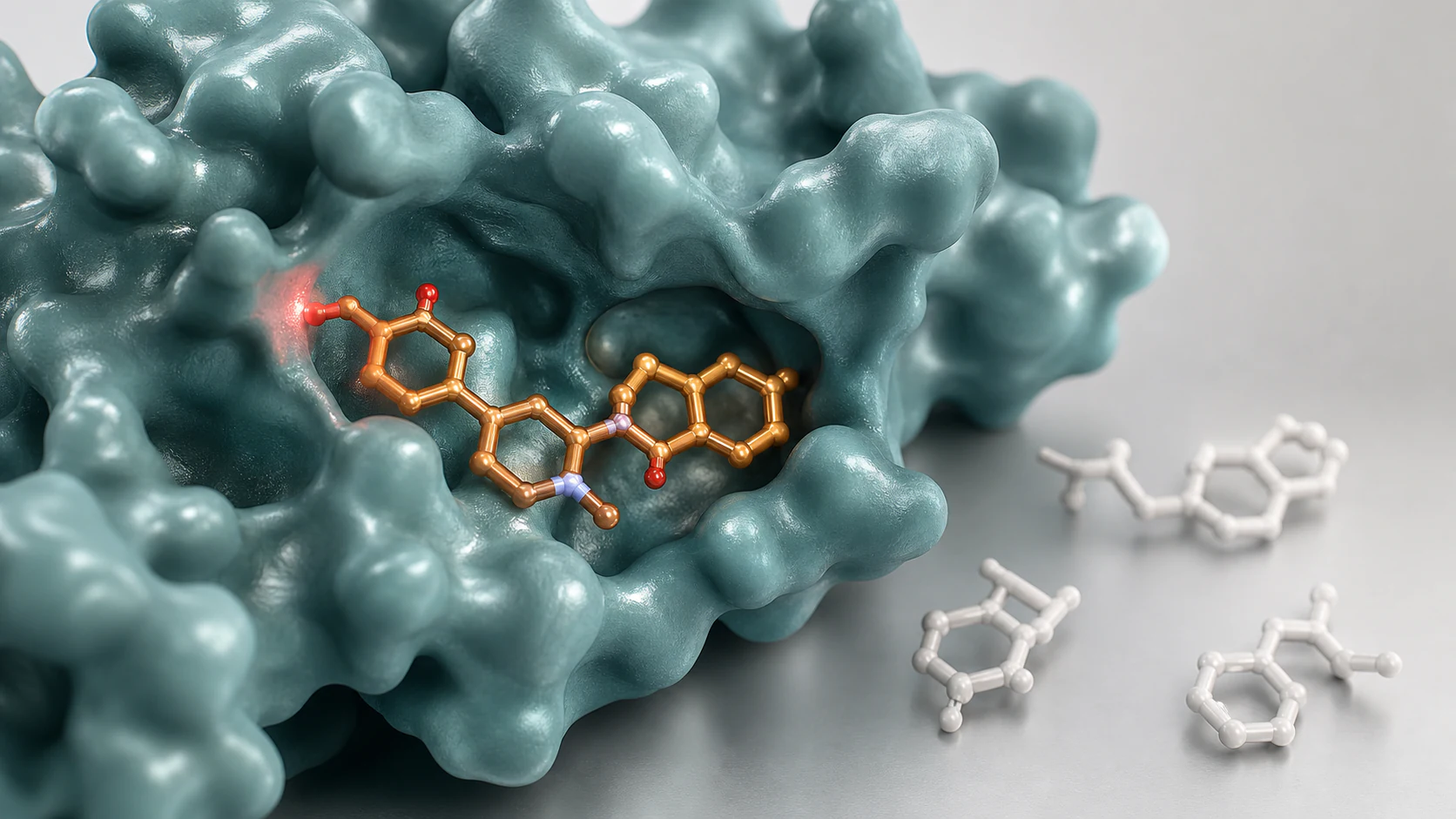
Buyer-ready screening visuals usually need four layers. The first layer is biological context: target, pathway, cell state or disease model. The second layer is assay logic: what changes when a compound has the desired effect. The third layer is selection: how hits are distinguished from noise, artifacts or weak activity. The fourth layer is decision value: why the output can guide medicinal chemistry, platform partnering or translational planning.
Those layers should be sequenced rather than shown all at once. A clear animation might open on a protein target, move to a ligand entering the pocket, shift to a simplified assay readout, then show a filtered set of hits moving into validation. A cell-based story might show the disease phenotype first, introduce compound treatment, reveal the cellular response and end with a credible candidate profile.
For related examples, see https://animiotics.com/blog/structure-based-drug-design-visualization-services-how-to-explain-pockets-poses-sar-and-platform-value-clearly/ and https://animiotics.com/blog/ai-drug-discovery-visualization-services-how-to-explain-models-targets-assays-and-platform-value-clearly/. Those posts focus on structure-guided and computational discovery, but the same visual rule applies to screening: evidence hierarchy matters more than visual volume.
A polished HTS visual can also become a reusable asset system. The same target render, assay scene, hit validation shot and platform outcome frame can support a website, pitch deck, conference loop, publication-adjacent explainer and partner-specific meeting. That reuse matters because discovery teams often need to explain the same evidence across scientific and commercial contexts.
- Show biological context before showing assay output.
- Separate true hit activity from background visual noise.
- End the sequence with the decision the platform enables.
How To Visualize Hit Validation
Hit validation is where many screening stories become vague. A campaign may produce a ranked list, but a buyer needs to see why the selected hit is credible. Animation can show a compound moving from primary screen signal to orthogonal assay, dose response, binding confirmation, cellular activity or early structure-activity logic without turning the story into a dense technical appendix.
The visual should make validation feel selective. One highlighted molecule can move from a screening context into a binding pocket or receptor scene. A few muted comparison ligands can remain in the background to show that alternatives were considered. The camera can shift from platform scale to molecular consequence, which helps the viewer understand that the hit is not just statistically interesting but biologically meaningful.
This is especially important for platform companies that need to defend quality as well as throughput. Large numbers attract attention, but validated biological relevance creates confidence. A premium animation can make that transition from quantity to quality visible in a way that static slides rarely do.
- Show the winning hit as a distinct molecule or response.
- Use supporting ligands or assay droplets sparingly so the frame stays clear.
- Move from screening scale to molecular or cellular evidence before making a platform claim.
Deliverables For Screening And Discovery Teams
Most teams commissioning high-throughput screening animation services need more than a single video. A discovery group may need stills for a BD deck, a homepage visual that establishes platform credibility, a short animation loop for conference use and modular scenes that can be adapted for different targets or assay formats. Planning these outputs early makes production more efficient.
A useful scope often includes a hero render of the assay concept, a target or cell-state scene, a hit validation sequence, three to six reusable stills and several exports for web, deck and social use. The final package should help the team tell a consistent story whether the audience is a pharma scout, investor, internal leadership group or scientific collaborator.
The table below maps common screening communication needs to practical visual deliverables.
| Communication need | Useful deliverable | Why it helps |
|---|---|---|
| Website platform overview | Wide hero render plus short silent loop | Shows the assay concept quickly without forcing visitors to parse dense copy |
| BD or pharma partnering deck | Mechanism stills plus hit validation sequence | Connects screening output to a credible discovery decision |
| Conference booth or event screen | Looping HTS scene with readable silhouettes | Makes platform activity recognizable from a distance |
| Target-specific partner meeting | Modular scenes for target, assay and hit evidence | Adapts the same visual system to a new biology story |
What Premium 3D Adds To HTS Communication
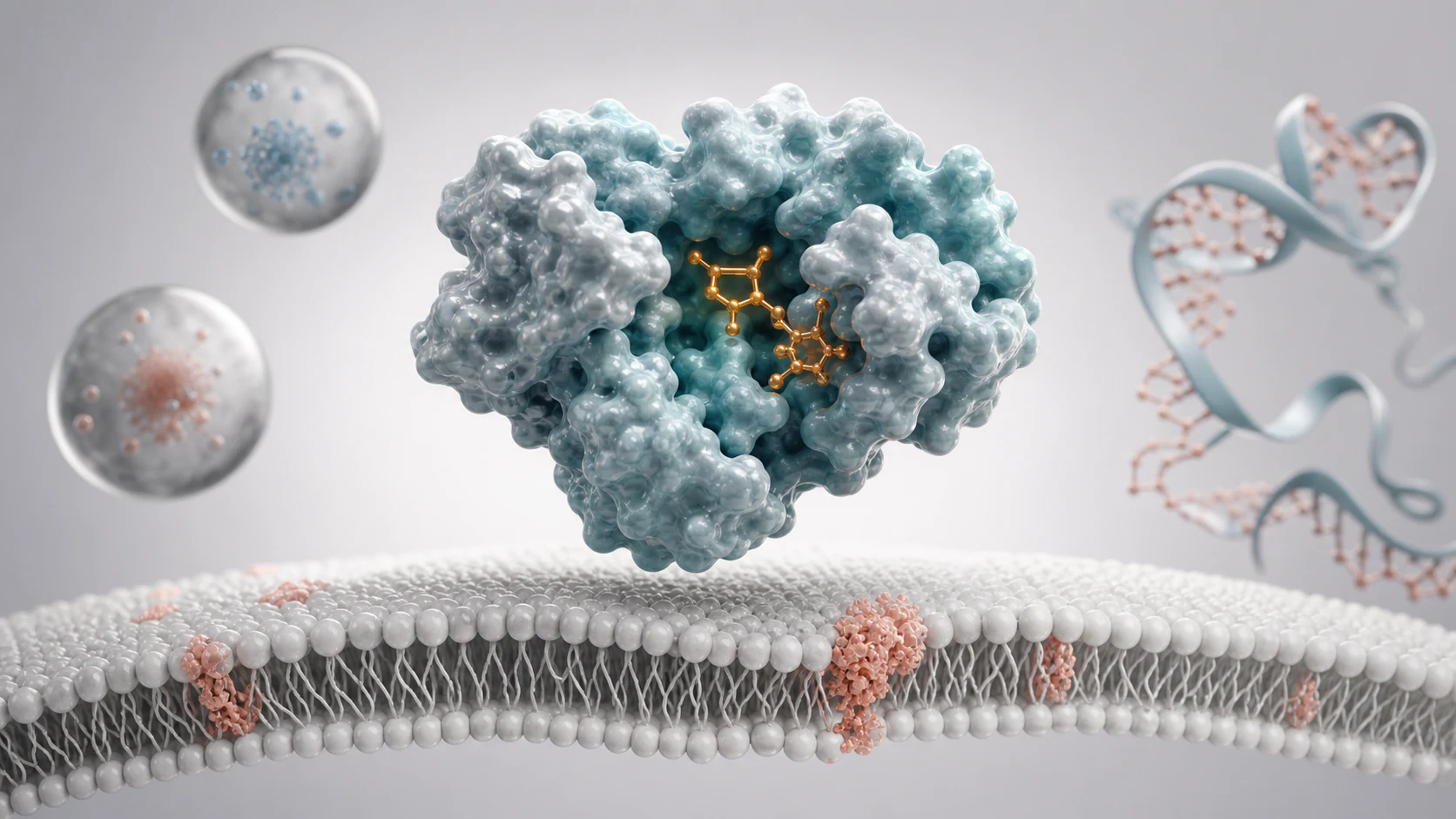
Premium 3D rendering helps screening feel tangible. A protein surface, receptor, membrane, assay droplet or small molecule can be shown with physically plausible materials and clean studio lighting. That polish helps the platform feel serious while keeping the viewer focused on the scientific point.
The key is restraint. High-throughput screening animation should not become a wall of glowing plates, fake dashboards, floating labels and abstract data particles. The animation should use one clear hero subject per scene, then support it with only the scientific forms needed to explain the next decision.
Color can help guide attention. Muted teal, pearl white, silver gray, warm amber and sparse coral accents can distinguish target, assay environment, hit molecule and biological consequence without making the scene look like a toy. The visual language should feel like a premium Blender or Maya scientific render rather than a generic infographic.
For a broader service view on reusable render systems, see https://animiotics.com/blog/biotech-3d-rendering-services-how-to-turn-platform-science-into-buyer-ready-visual-assets/. The same principles apply to HTS: clear composition, credible materials and disciplined hierarchy make the science easier to evaluate.
- Use one hero subject instead of a crowded assay collage.
- Keep fake UI, labels and chart overlays out of cinematic scientific renders.
- Let material quality and camera movement carry credibility.
Common Mistakes In Screening Animation Projects
The first mistake is opening with scale before meaning. A plate grid can imply throughput, but it does not explain what the screen measures. If the viewer cannot identify the biological question, scale becomes visual noise.
The second mistake is treating hits as generic dots. A buyer wants to know why a hit matters, how it was validated and what it changes about the program. The animation should make the selected compound, response or phenotype visually distinct.
The third mistake is making the visual too literal. A full robotic lab scene can be useful for manufacturing or automation stories, but many screening platform stories need molecular and cellular clarity more than equipment realism. The assay hardware should support the scientific story rather than dominate it.
The fourth mistake is failing to plan reusable assets. The same screening story may need a website hero, stills for a deck, social crops and partner-specific variants. A production plan that accounts for those formats will deliver more value from the same scientific scenes.
- Do not let plate scale replace biological explanation.
- Do not make every compound look equally important.
- Do not overbuild lab equipment when the buyer needs mechanism clarity.
FAQ About High-Throughput Screening Animation Services
What should high-throughput screening animation services include?
A strong scope usually includes scientific story planning, assay visualization, storyboard development, premium 3D rendering, animation, review rounds, final video exports and reusable still images for websites, decks and campaigns.
How long should an HTS animation be?
A homepage or conference loop may only need 10 to 25 seconds. A partner-facing mechanism or platform animation often works best at 45 to 90 seconds if it moves from assay question to hit validation to platform value.
Can one screening animation support several targets?
Yes, if the scenes are built modularly. A core assay logic sequence can stay consistent while target renders, ligand examples, cellular context or captions change for a specific partner or program.
What makes screening visuals look credible?
Credible visuals use clear hierarchy, realistic biomolecular surfaces, restrained lab-grade materials, careful lighting and focused camera movement. They avoid fake dashboards, crowded plate grids, unreadable labels and decorative science effects that distract from the evidence.
Ready To Make Screening Evidence Clear
High-throughput screening animation services are most valuable when they make a discovery platform easier to judge. The right visual system shows what the assay measures, why the hit matters, how validation works and where the platform creates value.
Animiotics builds premium 3D scientific renders, mechanism animations and visual systems for biotech, pharma, platform and research teams. The work is designed to help technical evidence become clear enough for buyers, partners and stakeholders to act on.
If your screening platform, assay workflow or hit validation story needs to work on a website, in a deck or inside a partner meeting, start with Animiotics and turn the evidence into visuals buyers can understand.
- Explain assay logic without overwhelming the viewer.
- Turn hit validation into a clear molecular or cellular story.
- Build reusable discovery visuals for web, deck and partner use.