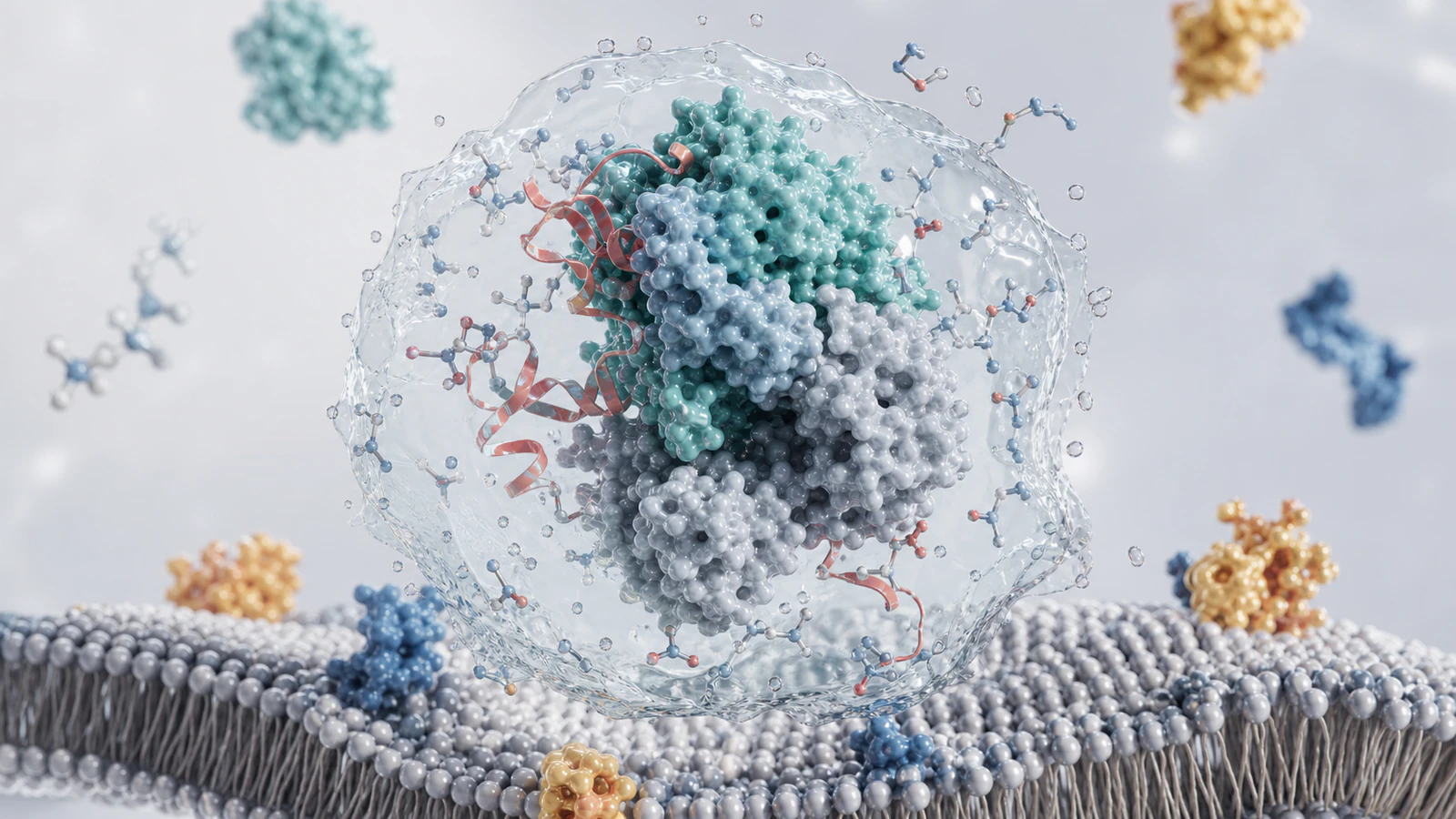
Why Formulation Development Needs Visual Proof
Formulation development visualization services turn drug product decisions into a story that scientific, clinical, manufacturing and investor audiences can understand quickly. A formulation is not just a buffer, an excipient list or a stability table. It is the practical system that protects a biologic, small molecule, RNA medicine or delivery platform from real-world stress while keeping the product usable for patients and scalable for sponsors.
That system is hard to sell with text alone. Protein aggregation, surface adsorption, excipient shielding, hydration, viscosity, pH sensitivity, membrane interaction, freeze-thaw stress and device compatibility are all invisible in a conventional deck. The result is often a familiar gap: the formulation team has strong data, but commercial, BD, clinical operations and partner teams still struggle to explain why the drug product strategy is differentiated.
A premium formulation render or animation makes the buyer value visible. It can show one therapeutic molecule held in a stable hydration environment, an excipient layer reducing aggregation risk or a delivery formulation interacting with a cell membrane. For biotech teams already investing in analytical characterization visualization services, formulation visuals add the missing bridge between assay evidence and practical product readiness.
What Buyers Need To Understand
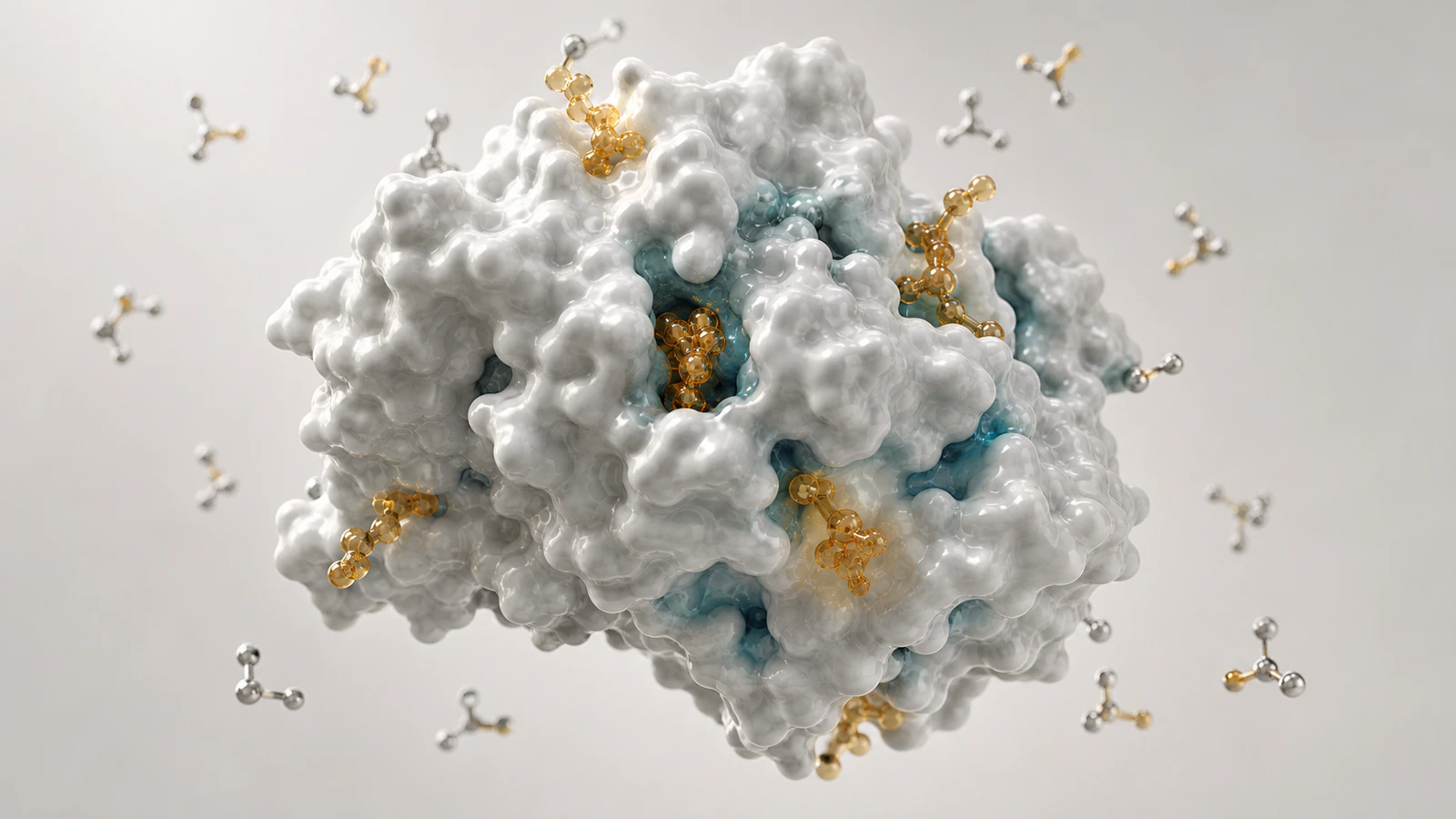
The best formulation visuals are not decorative molecule art. They answer the questions that technical buyers, platform partners and program leads ask before they believe the product story. What is being protected? Which stress is being controlled? Why does the formulation choice matter for dose, storage, handling, delivery route or manufacturability? What data supports the claim?
A useful visual system usually starts with a single hero subject. For a biologic, that may be a therapeutic protein with surface patches, hydration behavior and excipient contacts. For an RNA or nanoparticle program, the hero subject may be a delivery complex near a membrane or an endosomal environment. For a small molecule or peptide product, it may be solubility, crystallization risk, depot behavior or release kinetics. The buyer should not have to decode a crowded collage.
This is where Animiotics work differs from generic science illustration. The goal is to create a render or motion sequence that can support a website section, pitch deck, partnering slide, conference booth, scientific figure or short animation without losing the core formulation claim. If the same visual can help a CMC lead, CEO and BD team tell one consistent story, it is doing commercial work.
- Show the therapeutic or delivery platform as the central subject.
- Use surrounding forms only when they clarify stabilization, release, viscosity, permeability or compatibility.
- Connect the visual story to data such as accelerated stability, forced degradation, particle counts, binding assays or release profiles.
- Keep the scene physically plausible so scientific reviewers can approve it without heavy caveats.
Core Scenes For A Formulation Development Visual System
A strong formulation development animation usually needs only a few scenes. The first scene establishes the product architecture. The second scene introduces the stress or delivery challenge. The third scene shows the formulation strategy solving that challenge. The fourth scene connects the mechanism back to evidence, use case and platform value.
The structure matters because formulation can become abstract fast. If the viewer sees too many excipients, droplets, surfaces, graphs and assay fragments at once, the claim becomes weaker. A cleaner sequence creates buyer confidence: here is the product, here is the vulnerability, here is how the formulation protects it and here is why the evidence supports the chosen path.
| Scene | Hero Subject | Scientific Meaning | Commercial Use |
|---|---|---|---|
| Product architecture | Therapeutic protein, RNA complex, peptide depot or nanoparticle | Defines what must be protected or delivered | Website hero, pitch deck opener, platform overview |
| Stress environment | Heat, agitation, interface, pH shift, freeze-thaw or dilution | Shows why formulation choices matter | CMC slide, investor explanation, partner education |
| Excipient strategy | Stabilizers, surfactants, salts, sugars, lipids or polymers | Explains protection, solubility, viscosity or release behavior | BD deck, scientific poster, technical animation |
| Delivery interface | Membrane, tissue surface, injection depot or device contact | Connects formulation to route and patient use | Clinical story, launch asset, product differentiation |
| Evidence layer | Simplified assay-informed visual cue | Links mechanism to measured stability or performance | Scientific figure, grant deck, diligence package |
How To Visualize Stability Without Overclaiming

Stability is one of the most valuable formulation claims, but it is also one of the easiest to overstate visually. A responsible render should not imply a permanent protective shield unless the data supports that interpretation. It should show a clear mechanism-like concept, then leave room for the actual assay evidence to define the strength of the claim.
For protein formulation animation, the visual can show surface patches, partial unfolding risk, interfacial exposure, aggregation-prone regions and stabilizing excipient contacts. For RNA or lipid systems, the visual may show payload protection, particle integrity or release environment. For high-concentration biologics, it may show molecular crowding and viscosity pressure without pretending the scene is a literal microscopic recording.
The most useful approach is to design visuals as scientific explanations rather than molecular truth claims. The render can translate stress testing, forced degradation, DSC, DLS, SEC, subvisible particle analysis or functional potency into a clean visual logic. It should make the formulation rationale easier to understand while preserving a clear boundary between model, evidence and claim.
- Use visual language that signals mechanism and rationale, not unsupported certainty.
- Keep aggregation, unfolding or release events simplified enough for non-specialists.
- Reference actual stability evidence in captions, nearby copy or speaker notes.
- Avoid dramatic failure imagery unless the team can defend the comparison scientifically.
Where Formulation Visuals Create Buyer Intent
Formulation development visualization services are commercially useful because formulation decisions sit close to practical value. A molecule that looks exciting in discovery still needs a delivery route, storage profile, handling plan, device strategy and manufacturing path. When those pieces are unclear, buyers worry about translation risk. When they are clearly visualized, the platform feels more mature.
This matters in several workflows. A biotech website can use formulation renders to show that the platform is more than a target hypothesis. An investor deck can use an animation beat to explain why the drug product supports dosing convenience or durable exposure. A partnering deck can show how formulation work connects to specific development milestones. A scientific conference asset can help the booth team explain CMC strategy without forcing every conversation into a dense methods slide.
The topic also pairs naturally with drug metabolism visualization services and pharmacokinetic visualization services. Together, formulation, metabolism and exposure visuals can give a program a fuller translation story from product design to biological effect.
What To Include In A Production Brief
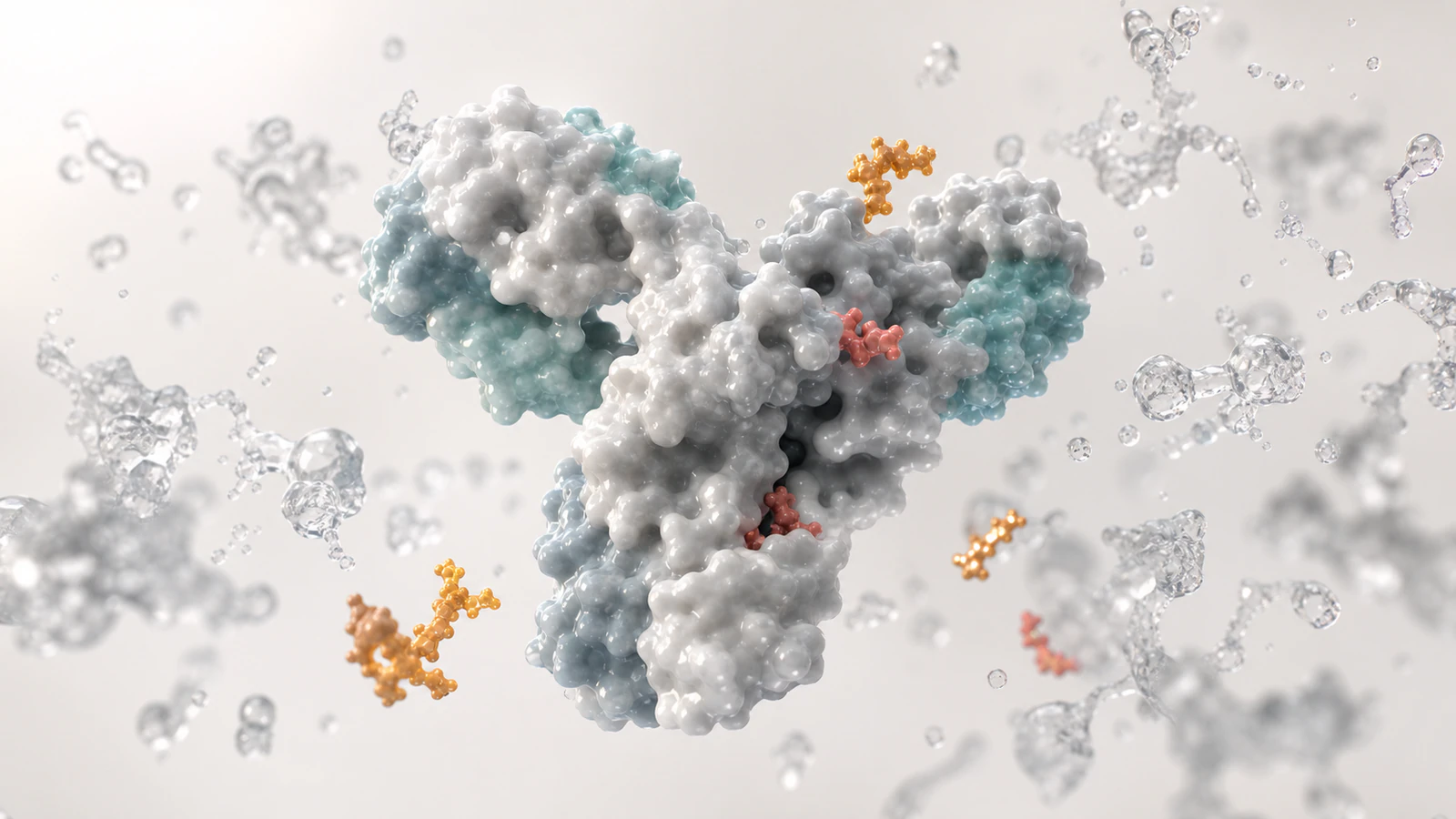
A good production brief keeps the visual honest and reduces revision cycles. Start with the formulation claim in one sentence. Then define the molecule or platform, delivery route, target audience, required format and scientific boundaries. If the render will be used for public marketing, decide early which details must stay confidential and which can be abstracted into a defensible visual metaphor.
Animiotics typically needs enough information to understand the product story, not a full confidential dossier. Useful inputs include a high-level mechanism summary, known stressors, preferred visual emphasis, approved color constraints, published structures when available, assay names, existing slide language and examples of visuals the team wants to avoid. For CMC or drug product teams, it is often helpful to identify which claims are approved, which are exploratory and which are internal only.
The output can be scoped as a single hero render, a set of section images, a short animation, a reusable 3D visual system or a figure package. The right scope depends on how often the team will reuse the asset. If formulation is central to the platform, building a coherent visual system usually pays off more than creating one isolated image.
- One sentence formulation claim.
- Therapeutic modality, delivery route and audience.
- Main stress, stability or delivery challenge.
- Evidence sources the visual should respect.
- Claims that must be avoided or softened.
- Required deliverables such as website image, deck render, animation or figure set.
FAQ: Formulation Development Visualization Services
What are formulation development visualization services?
They are scientific rendering, animation and figure services that explain how a formulation supports stability, delivery, manufacturability, usability or product differentiation. The work can cover biologics, peptides, RNA medicines, nanoparticles, small molecules, injectable depots and platform drug products.
When should a biotech team use formulation visuals?
Use them when the formulation story affects buying confidence, partnering value, investor understanding, clinical translation or internal alignment. They are especially useful when the data is strong but the practical meaning is hard to explain with tables alone.
Can formulation visuals be scientifically accurate without showing confidential details?
Yes. A careful visual can abstract sensitive excipient identities, concentrations or process details while still explaining the approved rationale. The key is to define what can be shown, what must remain generic and what needs reviewer approval before production.
How many images or animation scenes are usually needed?
Many teams can start with one cover render and three supporting scenes: excipient stabilization, delivery interface and stability stress. Larger programs may need a complete visual system that covers drug product architecture, handling, device use, evidence and platform expansion.
CTA: Build A Buyer-Ready Formulation Story
If formulation is part of your platform value, it deserves more than a table at the back of the deck. Animiotics can turn formulation strategy, stability evidence, excipient logic and delivery behavior into premium scientific renders or animations that help biotech, pharma and research teams explain why the drug product is credible.
Use formulation development visualization services when you need a clear website hero, investor slide, partnering asset, conference visual or scientific figure system that connects CMC decisions to commercial confidence.