Why Companion Diagnostic Visualization Services Matter
Companion diagnostic visualization services matter because diagnostic value is hard to understand when the story is scattered across biomarker biology, assay workflow, clinical cutoffs, regulatory context and therapy selection. A buyer may know the test is important but still struggle to see how the assay identifies the right patient at the right decision point. Clear visuals reduce that friction early in evaluation.
The commercial challenge is not only technical accuracy. Diagnostic companies, biotech teams and platform groups need to explain why a biomarker matters, how the assay reads it, what evidence supports the result and how that result changes care. When those pieces are shown as separate tables or dense slide screenshots, the story can feel fragmented.
Animiotics builds companion diagnostic visualization services for teams that need buyer-ready renders, figures and animation plans for websites, launch decks, pharma partnering, investor materials and scientific presentations. The goal is to make assay logic and patient selection easier to evaluate without flattening the science.
- Use diagnostic visuals when biomarker biology and assay evidence need one clear story.
- Show the decision logic before adding validation details or market claims.
- Build assets that help scientific, clinical and commercial audiences understand the same core value.
Turn Biomarker Assays Into a Clear Visual Architecture
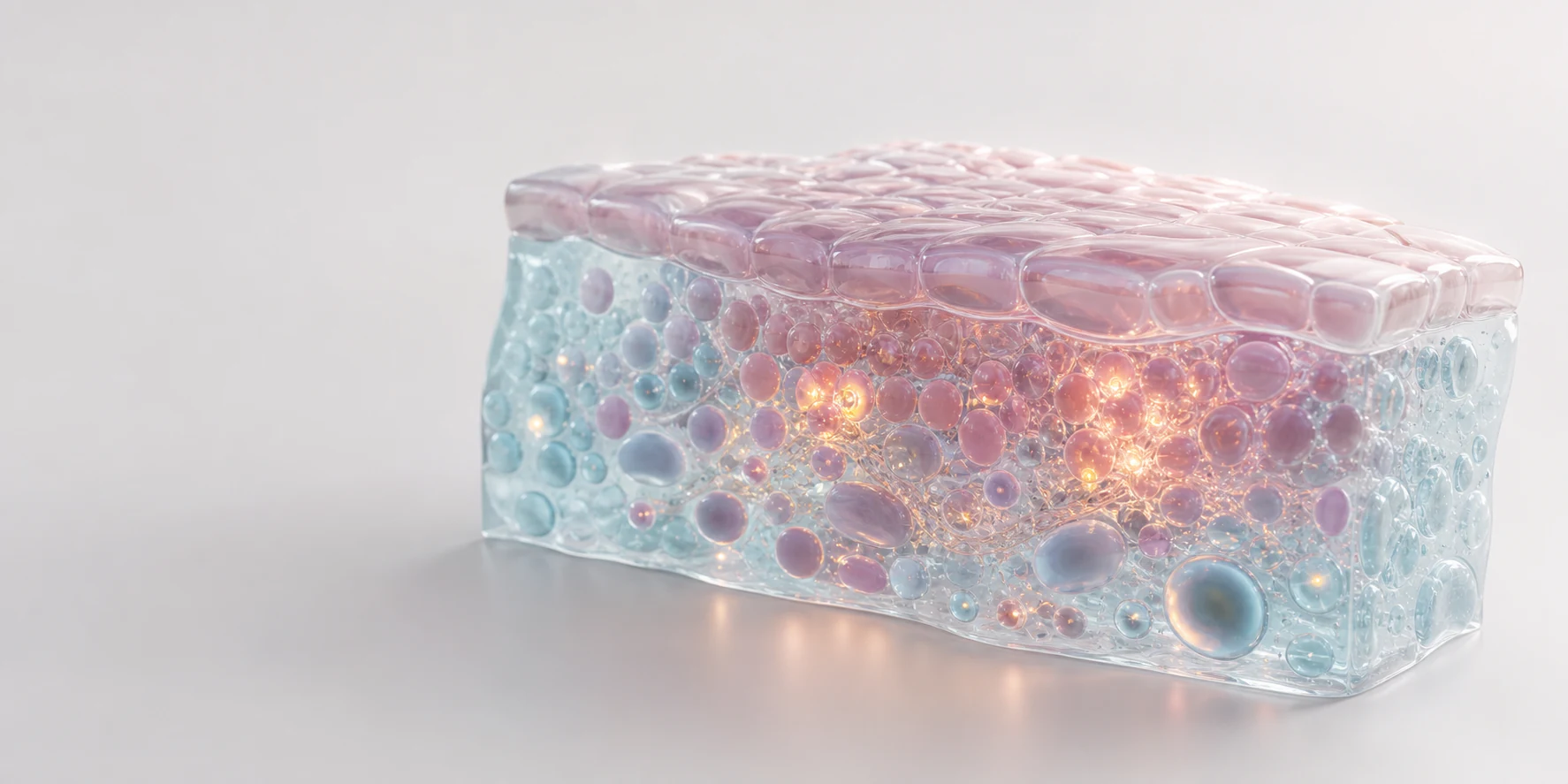
A companion diagnostic story usually needs a visual architecture before it needs a polished animation. The architecture defines the assay input, the biomarker target, the detection method, the threshold logic and the therapy decision. Without that structure, even beautiful molecular renders can leave buyers unclear about what the test actually does.
The visual architecture can start with a tissue sample, blood draw, cell population or molecular target depending on the platform. It then needs to show how the assay detects the signal and why that signal matters for therapy selection. This is where companion diagnostic visualization differs from general biomarker artwork. The image must connect biology to a clinical or commercial decision.
This overlaps with translational biomarker visualization services but companion diagnostic work needs stronger emphasis on patient selection and clinical utility. The viewer should understand what is measured, how it is interpreted and why the result changes the treatment path.
- Define the sample, marker, assay readout and decision point before designing scenes.
- Keep the visual path simple enough for a non-specialist buyer to follow.
- Use molecular detail only where it clarifies the diagnostic claim.
Explain Biomarker Biology Without Overloading the Viewer
Biomarker biology can become crowded quickly. A diagnostic test may involve receptor expression, gene fusion status, protein abundance, pathway activation, immune context, tumor heterogeneity or circulating molecules. Each layer may be scientifically important but not every layer belongs in the first visual.
A strong companion diagnostic figure chooses the minimum biology needed to explain the assay claim. For an oncology diagnostic, that may mean showing a biomarker-positive tumor region inside a simplified tissue context. For an immunology assay, it may mean showing a subset of cells with a distinctive surface signal. For a molecular test, it may mean showing the target alteration in a restrained sequence or structure scene.
This restraint helps the buyer. They can first understand the test category and decision logic, then move into validation detail. The same principle applies to animation. The first seconds should orient the audience, not flood them with pathways, markers and abbreviations.
- Choose the biomarker view that best supports the commercial claim.
- Separate core biology from secondary mechanism details.
- Use color, depth and motion to clarify signal status without inventing evidence.
| Diagnostic Story Element | Buyer Question | Useful Visual Treatment |
|---|---|---|
| Biomarker target | What does the assay detect? | Simple tissue or molecular scene with one clear signal |
| Assay workflow | How is the signal measured? | Short sample-to-result sequence with restrained detail |
| Patient selection | Who is likely to benefit? | Contrasting signal states without fake clinical dashboards |
| Clinical utility | Why does this result matter? | Decision-focused figure that links result to therapy context |
Connect Patient Selection to Therapy Value
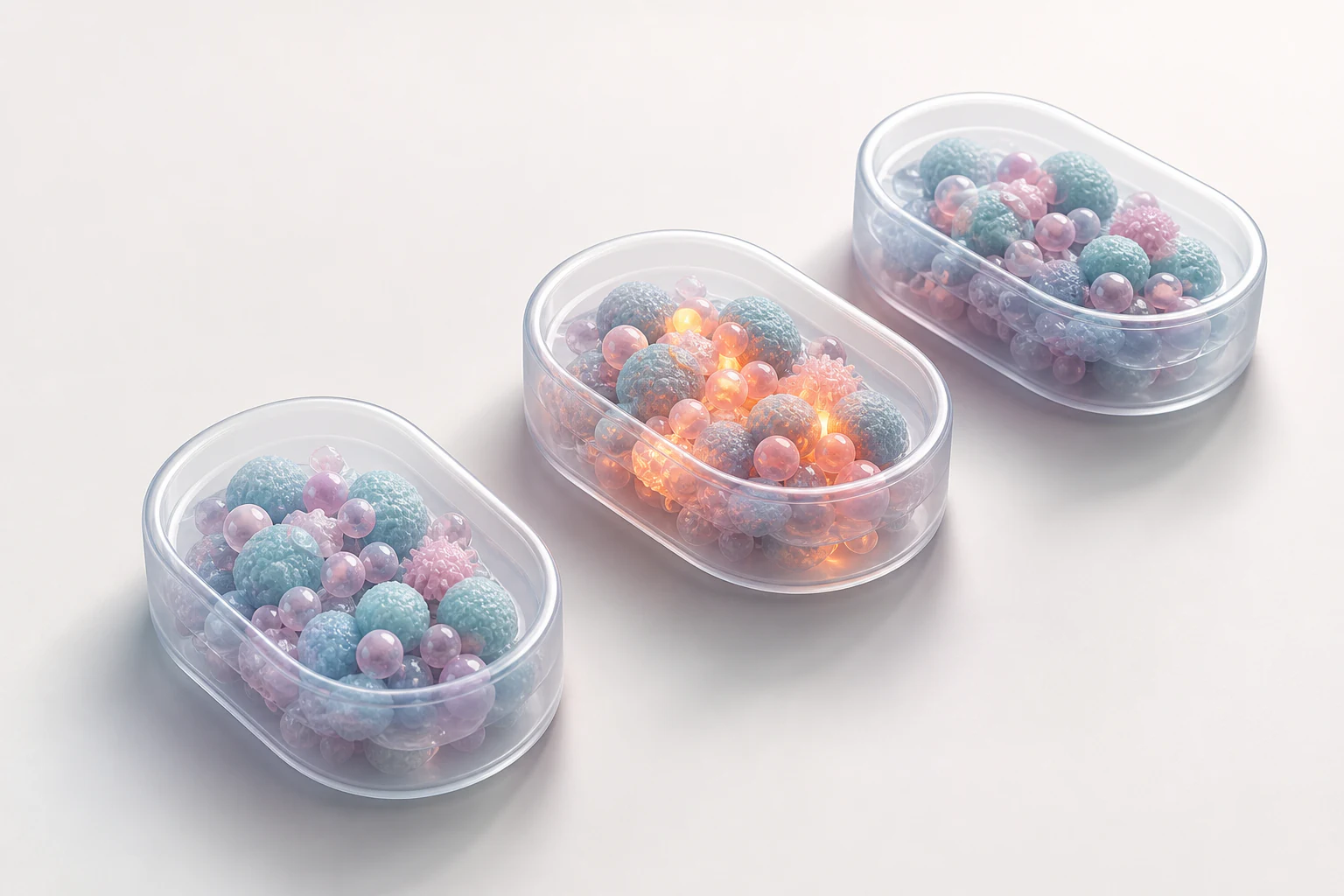
Companion diagnostic visualization services become most useful when they connect the assay result to therapy value. A diagnostic claim is rarely just that a marker exists. The buyer needs to understand how a test separates likely responders from other patients, how it supports treatment decisions and how it can fit into the therapy story.
The visual should not overpromise clinical performance. Instead, it should show the role of the diagnostic in the decision pathway. For example, a render can show biomarker-positive and biomarker-low tissue states while the surrounding copy explains the evidence boundary. A separate figure can then summarize analytical validation, clinical concordance or utility data with appropriate sourcing.
This is closely related to drug discovery animation services because diagnostic strategy often supports therapeutic positioning. The difference is that companion diagnostic visuals must keep the assay result and patient decision visible at every step.
- Show how the diagnostic result changes the treatment conversation.
- Keep conceptual scenes distinct from measured clinical evidence.
- Avoid implying response prediction that the data does not support.
Build Assets for Websites Decks and Partnering
Companion diagnostic visualization services should produce assets for the places where customers, pharma partners and investors evaluate the company. A website hero needs quick category recognition. A launch deck needs to show assay logic and clinical relevance. A partnering deck may need to explain sample requirements, target biology, validation maturity and therapeutic fit in a few slides.
One asset is rarely enough. A practical package may include a cover render, a biomarker biology scene, an assay workflow figure, a patient selection visual, a validation evidence layout and several slide-ready crops. Planning these uses early keeps the message consistent across web pages, conference screens, medical affairs materials and business development meetings.
Good diagnostic visuals also make room for nuance. They can show what is conceptual, what is measured, what is regulatory-facing and what is commercially explanatory. That discipline makes the company look more credible because it respects the difference between mechanism, assay performance and clinical impact.
- Plan crops for website, deck, conference and partner outreach use.
- Use one consistent visual grammar across biology, assay and decision scenes.
- Write captions that clarify whether a scene is conceptual, measured or decision-focused.
Create a Reusable Diagnostic Visual System
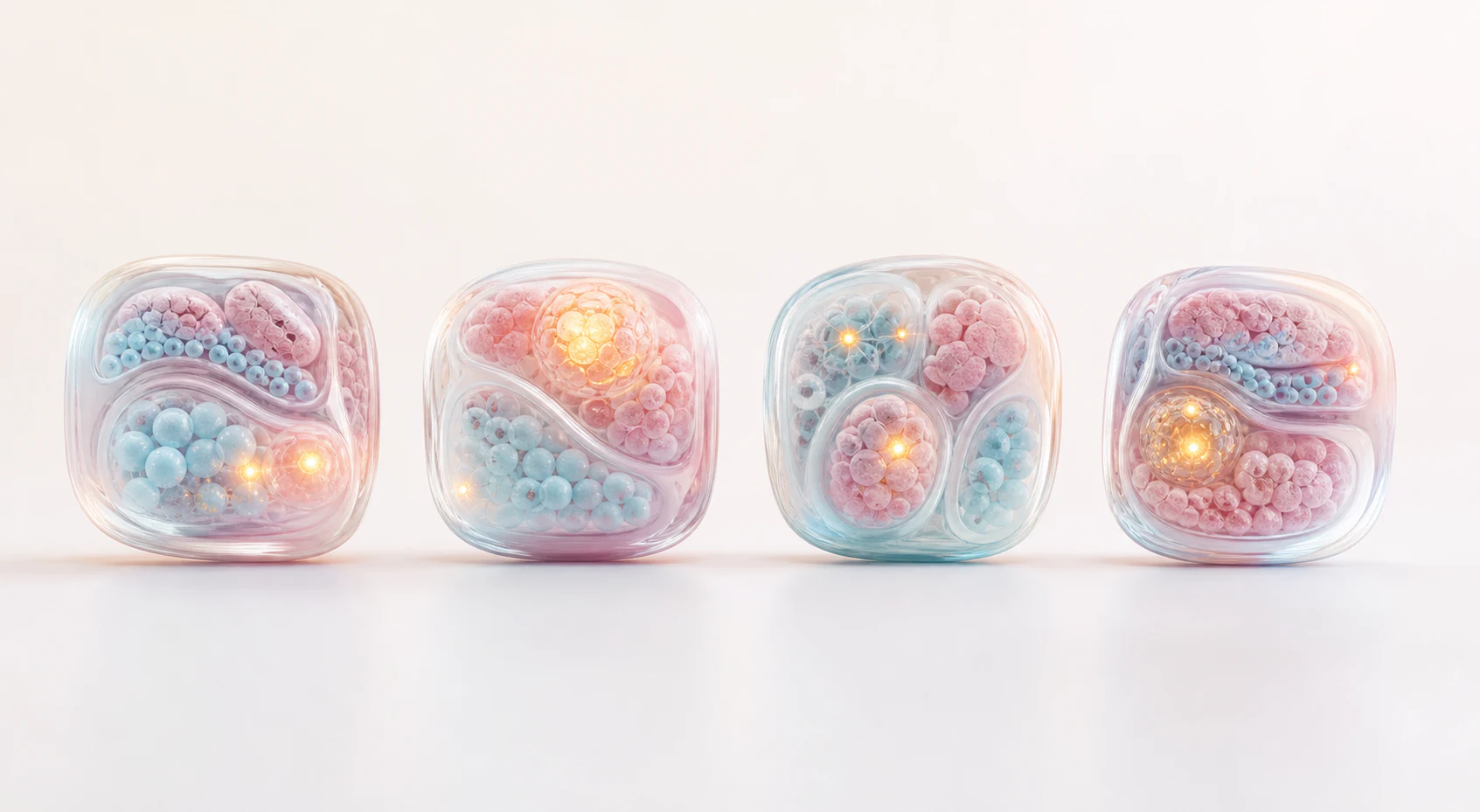
A reusable diagnostic visual system is often more valuable than a single polished render. Diagnostic platforms may need to explain several markers, sample types, assay versions, therapy pairings and evidence milestones over time. If each asset uses a different style, the platform can feel fragmented even when the science is connected.
A visual system can define how tissue appears, how positive and negative signals are represented, how assay steps are simplified, how measured data is separated from conceptual mechanism and how patient selection is shown without fake dashboards. It can also define what to avoid: crowded icons, unsupported glows, unreadable panels, generic laboratory stock imagery and decorative molecules that do not explain the diagnostic claim.
This approach helps teams scale communication as the pipeline grows. The same visual grammar can support oncology diagnostics, immunology assays, rare disease tests, pathology workflows, molecular panels and therapy-specific launch stories while preserving a recognizable scientific identity.
- Standardize tissue cues, signal cues, assay cues and decision cues.
- Build assets that can adapt to new biomarkers without starting from scratch.
- Review the system with scientific, clinical and commercial stakeholders before launch.
FAQ About Companion Diagnostic Visualization Services
What are companion diagnostic visualization services?
They are scientific visualization services that turn biomarker biology, assay workflow, patient selection logic, validation evidence and clinical utility into clear renders, figures and animation-ready storyboards.
Who needs companion diagnostic visuals?
Diagnostic companies, biotech startups, therapeutic platform teams, pharma partners, pathology groups and translational research teams use these visuals when an assay is central to therapy selection or platform value.
Can the visuals include real validation data?
Yes. Strong projects often combine explanatory 3D visuals with analytical validation, concordance, sensitivity, specificity, cohort or clinical utility evidence. The important point is to show which visuals are conceptual and which visuals represent measured data.
How many assets should a launch package include?
Many teams start with one cover image plus three or more supporting visuals, then expand into a short assay animation, investor deck figures, website crops and a reusable diagnostic asset library.
- Use diagnostic visuals when assay logic and patient selection need a fast clear explanation.
- Keep biomarker biology, assay workflow and clinical evidence visually distinct.
- Create reusable assets if the platform supports several biomarkers or therapy pairings.
Ready to Build Companion Diagnostic Visuals
Companion diagnostic visualization services are most useful when they make a test easier to evaluate. The right assets explain what is measured, how the assay reads the signal, how the result supports patient selection and why the diagnostic strengthens the therapy or platform story.
Animiotics helps biotech, diagnostics, platform and research teams create companion diagnostic renders, biomarker assay visuals, patient selection figures, clinical utility graphics, website assets, pitch deck visuals and animation-ready storyboards. The work can support fundraising, launch pages, partnering, scientific presentations and conference campaigns.
Talk to Animiotics about companion diagnostic visualization services
- Bring the assay workflow, biomarker rationale, evidence status and buyer context into the first brief.
- Use a reusable visual system for platform-level and product-level diagnostic assets.
- Turn companion diagnostic science into buyer-ready visuals without losing scientific discipline.