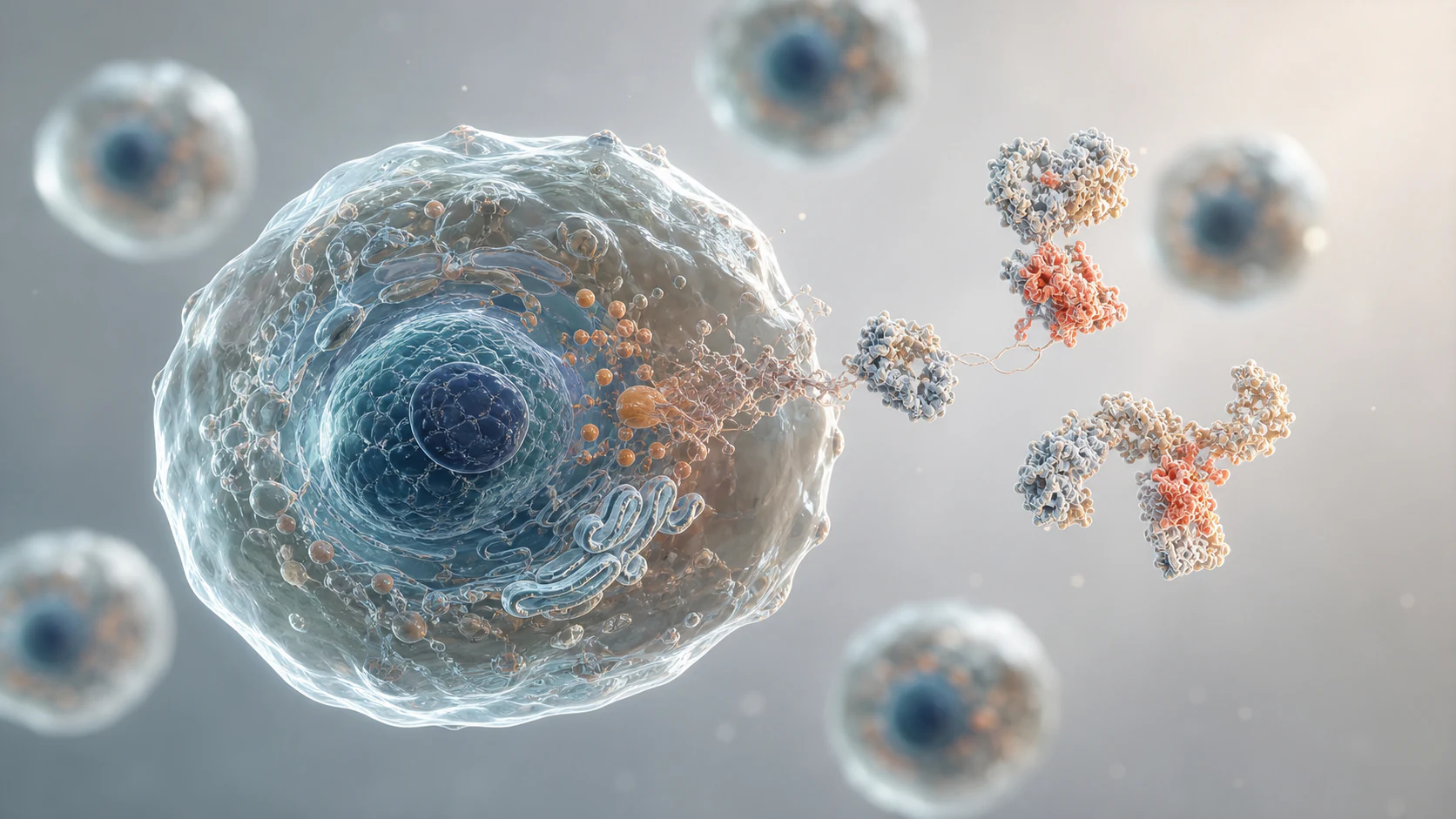
Why Cell Line Development Needs A Visual Story
Cell line development animation services turn a complex upstream workflow into a clear story about biological control. For biologics teams, a production cell line is more than a vessel for expression. It is the link between discovery biology, developability, manufacturing economics and long term supply confidence. A strong animation helps buyers see how a candidate moves from transfection or integration through screening, clone selection, stability testing and scale-up readiness.
Most platform decks mention cell line development only as a timeline step. That undersells the science. Clone selection can decide whether an antibody, enzyme, fusion protein or recombinant scaffold becomes practical at scale. Expression level, product quality, growth behavior and genetic stability all shape the commercial story. When those factors stay abstract, non-specialist buyers may miss why the platform is credible.
Animiotics uses cell line development visuals to make that hidden work visible. A hero production cell can show expression machinery, controlled secretion and product identity. Supporting scenes can show clone screening, stability over passage and the transition toward bioreactor conditions. The result is a buyer-ready explanation that feels useful for technical reviewers while still working in an investor deck, CDMO conversation, website page or launch campaign.
What Buyers Need To Understand
A buyer does not need a generic cell culture illustration. They need to understand why the chosen cell line supports the asset or platform. The core question is simple: can this cell produce the intended molecule with enough consistency, quality and productivity to support the next stage. The visual story should make the selected clone feel purposeful rather than accidental.
The animation should begin with one recognizable production cell. Use a clear membrane, nucleus and secreted product forms so the viewer can track the source of the therapeutic protein. Then introduce only the supporting details that matter: clone candidates, expression output, product quality cues and scale-up context. The viewer should not need labels to understand which cell is selected and why.
This is where cell line development animation services differ from broad upstream process graphics. The goal is not to show every well plate, flask and bioreactor. The goal is to translate a screening and selection program into trust. When the visual makes productivity, stability and quality attributes easy to discuss, the asset supports BD, diligence and scientific marketing conversations.
- Make the selected production cell the hero subject.
- Show a small number of clone candidates rather than a crowded array.
- Represent therapeutic protein output with consistent molecular forms.
- Connect selection to productivity, quality and platform value.
- Keep the scene scientific, restrained and visually readable.
Clone Selection As The Hero Sequence
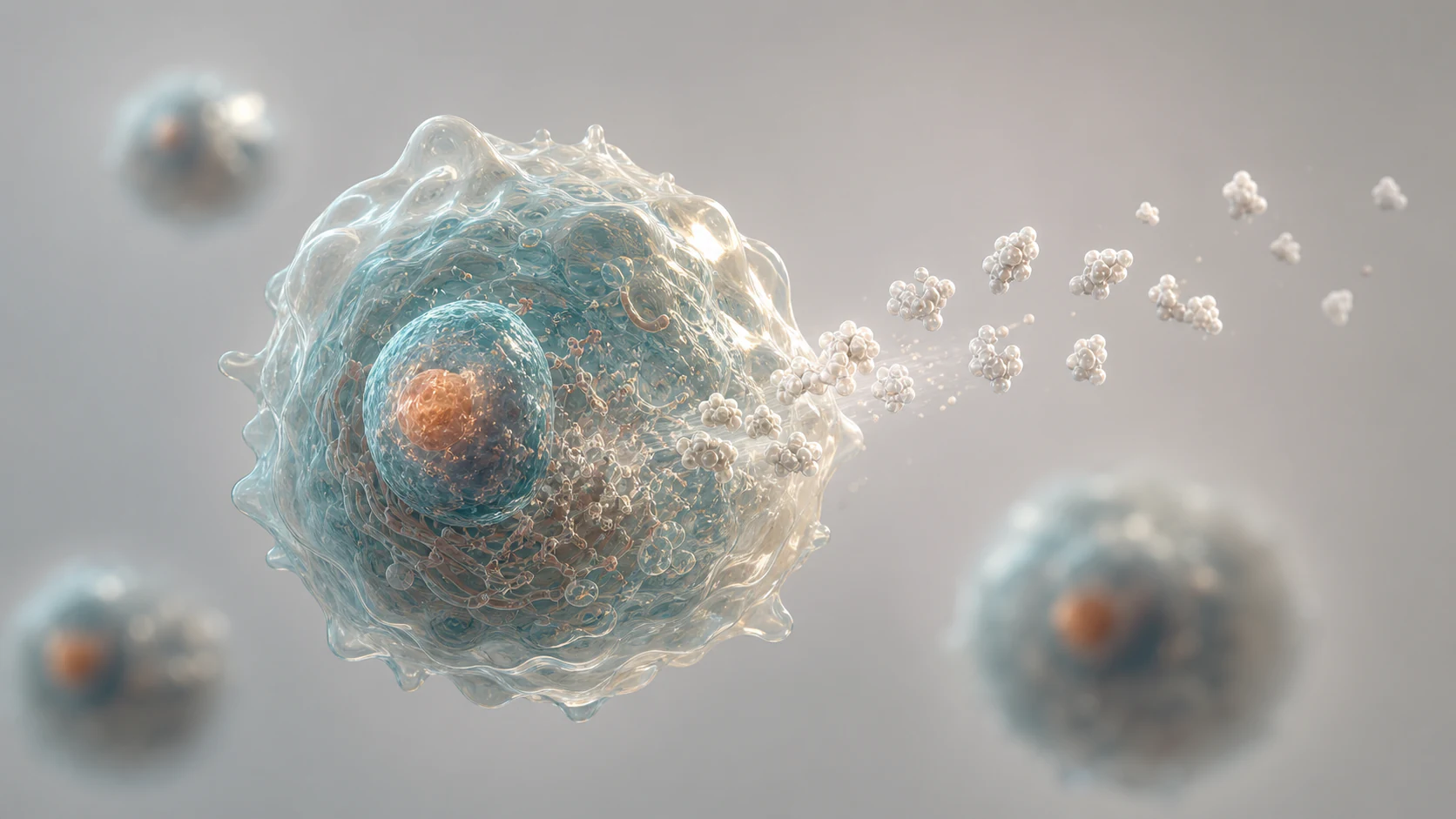
Clone selection is the easiest part of cell line development to make intuitive. The audience can understand that many candidate cells are screened but only a few are suitable for development. A wide 3D render can show several restrained cell candidates while one selected clone becomes the hero. The selected cell releases a controlled stream of product molecules while weaker candidates stay in the background.
The visual should avoid fake precision. It does not need to show every assay readout or ranked plate position. Instead, it should show the decision logic: candidate diversity, measurable expression and selection of a stronger producer. For a CHO cell line, HEK system or other mammalian expression platform, the same structure can be adapted to the specific biology without turning the scene into an infographic.
The strongest clone selection sequence has a simple rhythm. Start with candidate cells. Move into a closer view of the selected clone. Show product secretion or accumulation in a way that is biologically plausible. Then transition to a stability or quality scene that explains why high expression alone is not enough. This turns a routine workflow step into a commercial proof point.
| Story Beat | Visual Focus | Buyer Question | Value Signal |
|---|---|---|---|
| Candidate pool | A few distinct production cell candidates | Was there meaningful screening | The team evaluated biological variation |
| Selected clone | One clear cell with visible product output | Why this clone | The clone supports stronger expression |
| Quality cue | Consistent protein forms near the membrane | Is the product believable | Expression connects to product identity |
| Next step | Selected cell moves toward scale-up context | Can the story continue | The platform has a development path |
Expression Stability And Product Quality
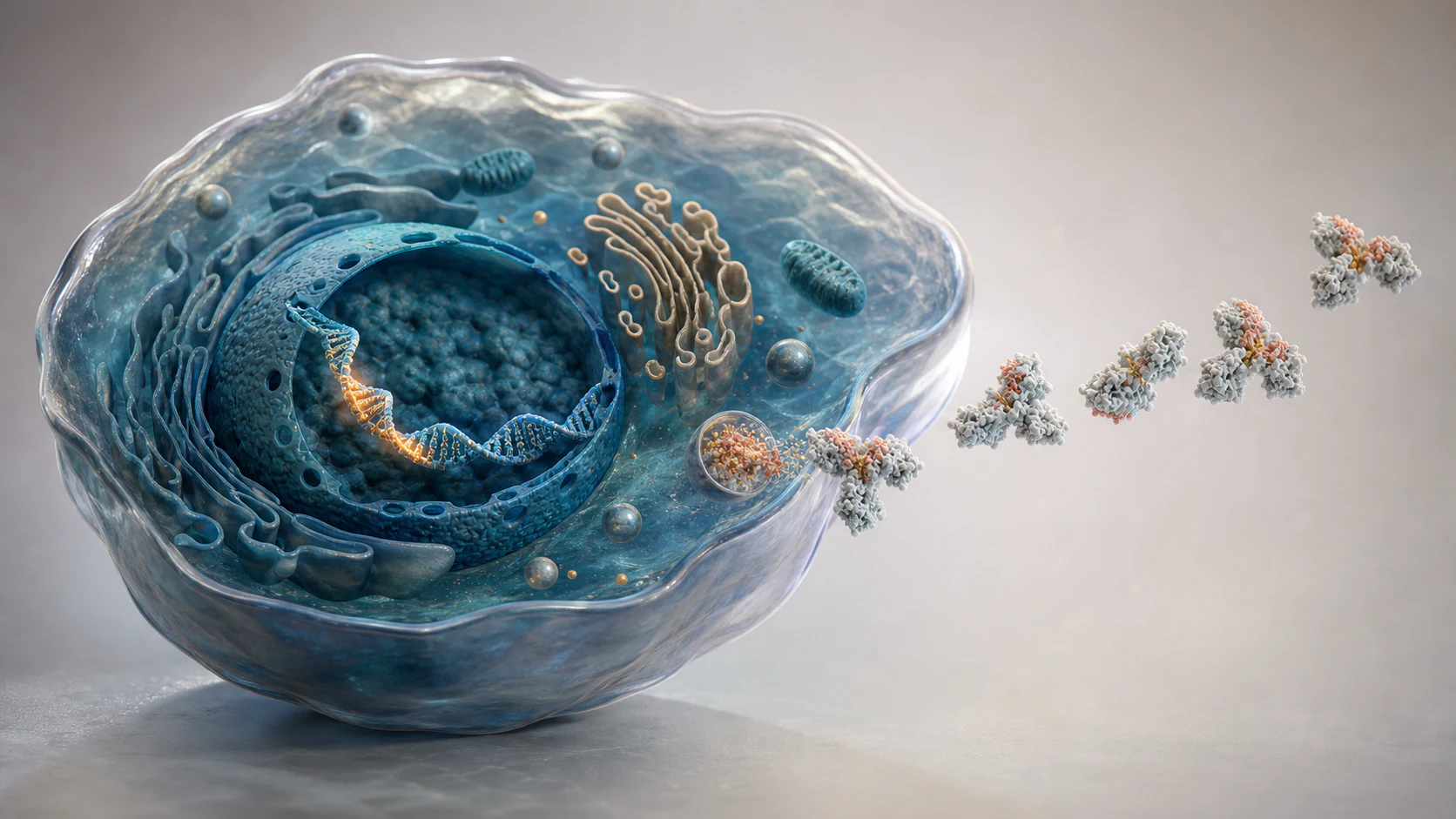
Stable expression is where a cell line story becomes more credible. A high-producing clone is useful only if the signal can be maintained and if the product remains within the expected quality frame. Animation can show this with a restrained cutaway: a production cell with a visible nucleus, a simplified DNA or integration cue and a consistent stream of therapeutic protein forms leaving the cell.
This scene should be scientifically cautious. A render can imply stable expression architecture without claiming a specific integration site or proprietary vector design unless the client wants that detail reviewed. The product molecules should remain consistent from scene to scene. If the program is an antibody, use antibody-like forms. If the program is an enzyme or scaffold, use a protein surface or ribbon form that matches the modality.
Product quality should not be reduced to a fake dashboard. Instead, use visual consistency. Show uniform protein forms, fewer malformed particles and a clean cellular context. If glycosylation, aggregation or processing is central to the story, add a single visual cue rather than many competing objects. The best cell line development animation services make quality feel measurable without inventing unsupported data.
- Use one DNA or nucleus cue to explain expression stability.
- Keep product forms consistent across the article and animation.
- Avoid unsupported claims about integration sites or yield numbers.
- Show quality through controlled visual consistency.
- Separate expression strength from product quality when needed.
How Cell Line Visuals Support CMC And Platform Discussions
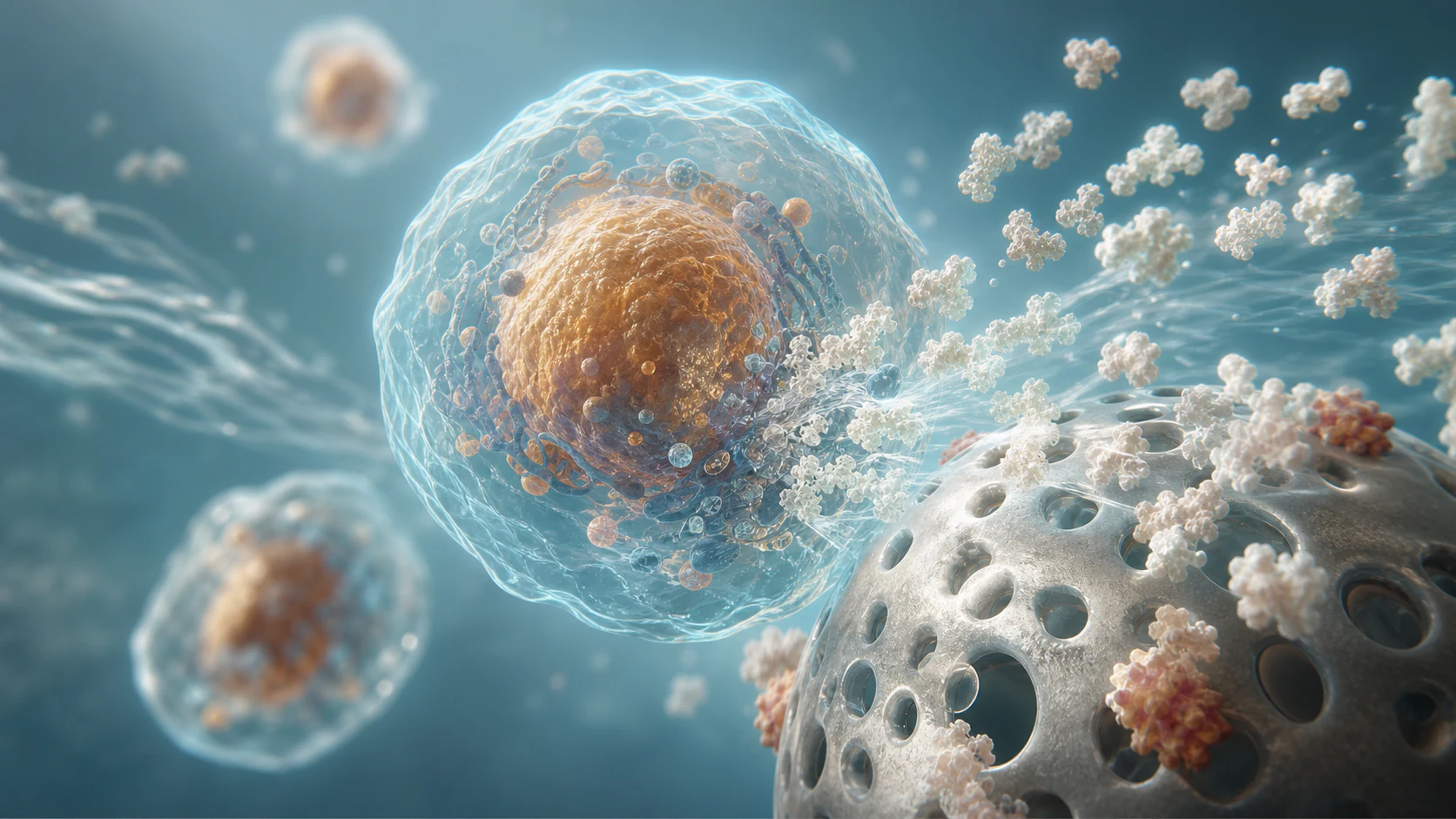
Cell line development often sits at the boundary between discovery, process development and CMC planning. A clear visual sequence helps the audience follow that boundary. The animation can show how a selected clone becomes a reproducible production system, then connect that system to upstream scale-up, downstream purification and eventual analytical review.
This is especially useful for platform companies. A single program may prove the first expression workflow, but the commercial claim is often broader. The team wants to show that its biology can be developed repeatedly. Cell line visuals can support that claim by focusing on repeatable selection logic, expression stability and consistent product identity. They can also create useful links to broader bioprocess animation services when buyers want to understand manufacturing scale-up.
For Animiotics clients, the cell line development sequence often becomes part of a larger visual system. The same production cell model can appear in a homepage hero, a short animation, a BD deck and a scientific explainer. It can also connect to scientific animation services for biotech when the team needs one consistent style across mechanism, platform and CMC assets.
Recommended Visual Structure For A Cell Line Development Animation
A practical animation structure starts with the candidate pool, moves into clone selection, explains expression stability and finishes with scale-up readiness. The story can work as a 30 to 60 second sequence or as a set of still renders for SEO pages, conference slides and investor materials. The important point is that each visual beat should answer one buyer question.
The camera should stay calm. A wide hero view can introduce the production cell. A closer cutaway can show the nucleus, expression cue and secretion path. A third scene can show a microcarrier or bioreactor-like environment without turning the image into process equipment marketing. The viewer should feel that the cell line has moved from screening to development readiness.
Color discipline matters. Use pearl white or restrained teal for the product. Use muted teal and silver gray for cellular materials. Add warm amber inside the nucleus or expression cue and use coral only as a small accent. Avoid pastel tissue blobs, glossy capsule clusters and crowded particle fields. The cell should feel like a premium scientific render, not a generic biotech background.
- Open with candidate cells and one selected production cell.
- Show product output as a controlled molecular stream.
- Use a cutaway to explain expression stability.
- Move toward scale-up with one bioprocess cue.
- Export stills for web, deck and launch use.
Scientific Review Checklist
Before publishing a cell line development animation, review the story with technical stakeholders. Confirm which cell system is being represented, which selection criteria are known and which details should remain abstract. The animation should not imply a proprietary host cell, vector architecture, expression titer or quality attribute unless those claims are approved.
Review scale and causality as well. A production cell can be simplified, but it should behave consistently. If product molecules leave the cell in one scene, the same product identity should appear in later scenes. If clone selection is shown, the visual should imply screening logic rather than random preference. If scale-up is shown, the image should suggest readiness without promising manufacturing performance.
This review step is one reason specialist scientific animation matters. Cell line development animation services should combine visual craft with restraint. A beautiful render can still weaken a platform story if it confuses expression, stability and scale-up. The right asset makes the development logic easier to understand while giving technical viewers enough confidence to ask deeper questions.
- Confirm the host cell and modality before final rendering.
- Separate representative visuals from product-specific claims.
- Keep clone selection, expression and quality cues consistent.
- Avoid fake readouts, fake UI and unsupported yield numbers.
- Make captions support the evidence rather than replace it.
FAQ
What are cell line development animation services?
They are scientific visualization services that explain clone screening, stable expression, productivity, product quality and scale-up readiness for biologics and platform audiences.
Who uses cell line development animations?
Biotech founders, CDMOs, process development teams, scientific marketing groups and BD teams use them to explain why a production cell line supports development value.
Can an animation show real cell line data?
Yes, but real data should be handled carefully. A visual can connect to productivity, stability or quality evidence while avoiding fake charts and unsupported claims.
What should the hero visual show?
In most cases, one selected mammalian production cell should be the hero subject, with sparse clone candidates and consistent therapeutic protein forms as supporting elements.
How long should a cell line development animation be?
Many commercial use cases work best at 30 to 60 seconds. A shorter version can focus on clone selection and expression stability while a longer version can include scale-up and analytical context.
Ready To Build A Cell Line Development Visual System
A clear cell line development story can make a biologics platform feel more complete. It shows how the team moves from candidate biology to a selected production system with a credible development path. For buyers, partners and investors, that clarity can turn a hidden upstream workflow into a visible source of confidence.
Animiotics can build cover renders, section stills and short animation sequences that explain clone selection, expression stability, product quality and scale-up readiness in one consistent premium 3D style. The same visual system can support a website page, conference deck, investor update, CDMO discussion or technical explainer.
Start a cell line development visual brief at Animiotics.