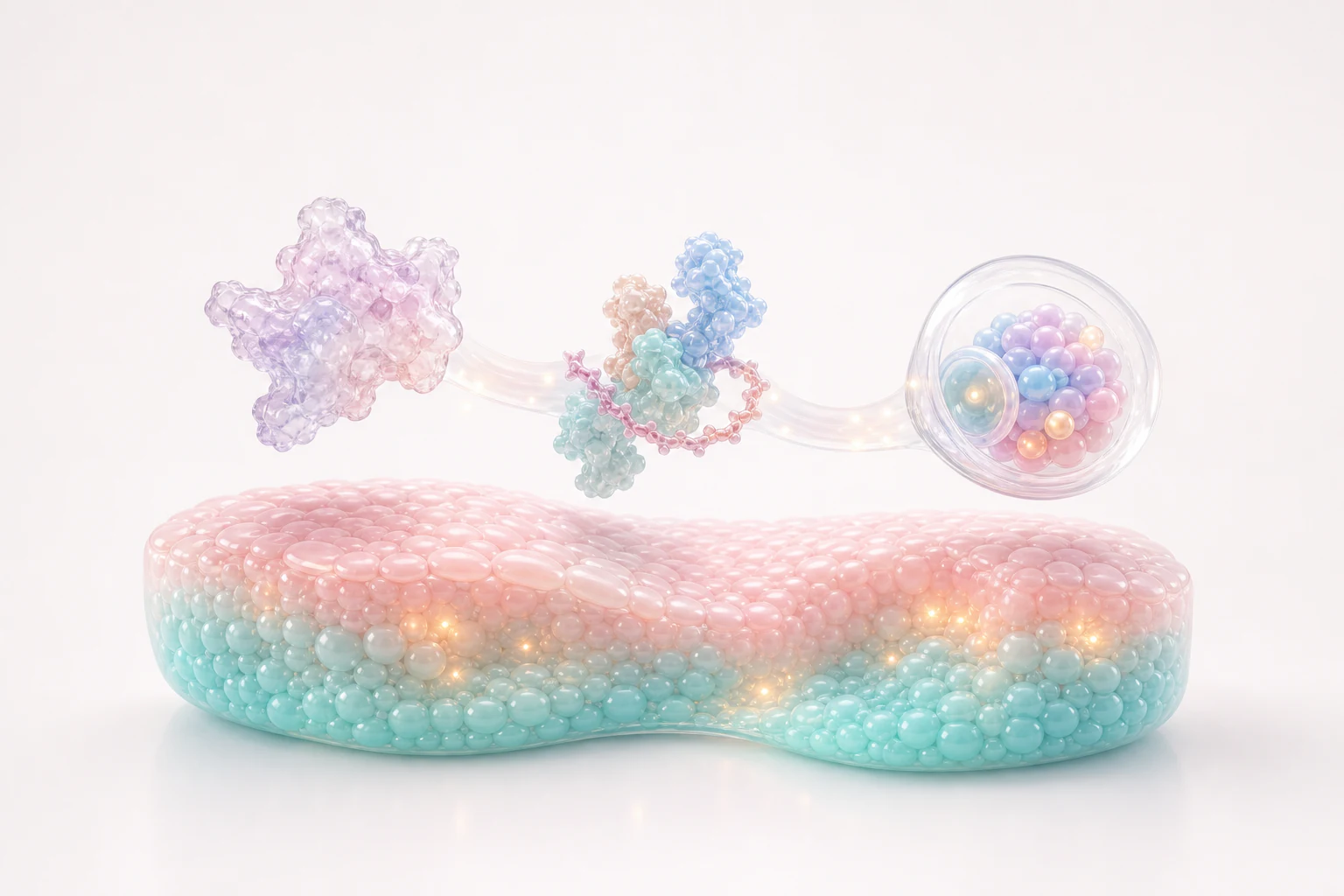
Why Biotech Explainer Video Production Matters
Biotech explainer video production matters because many scientific companies sell a story that cannot be understood from one static diagram. A platform may involve target discovery, molecular design, delivery, tissue biology and clinical evidence. A buyer still needs a fast answer to one practical question: what does this company make possible?
A strong explainer video turns that question into a clear visual sequence. It can introduce the platform category, show the mechanism at the right depth and connect the science to a business use case. This is useful for partnering teams, investor meetings, launch websites, conference booths and sales follow up when a prospect needs to remember the core idea.
Animiotics builds biotech explainer video production around scientific accuracy and commercial usefulness. The goal is not to make a generic science montage. The goal is to make the viewer understand why the biology matters, why the platform is credible and why a conversation with the team is worth taking.
- Use video when the value depends on sequence, scale or interaction.
- Define the buyer question before writing the storyboard.
- Build still renders and motion assets from one coherent 3D system.
Start With the Buyer Question
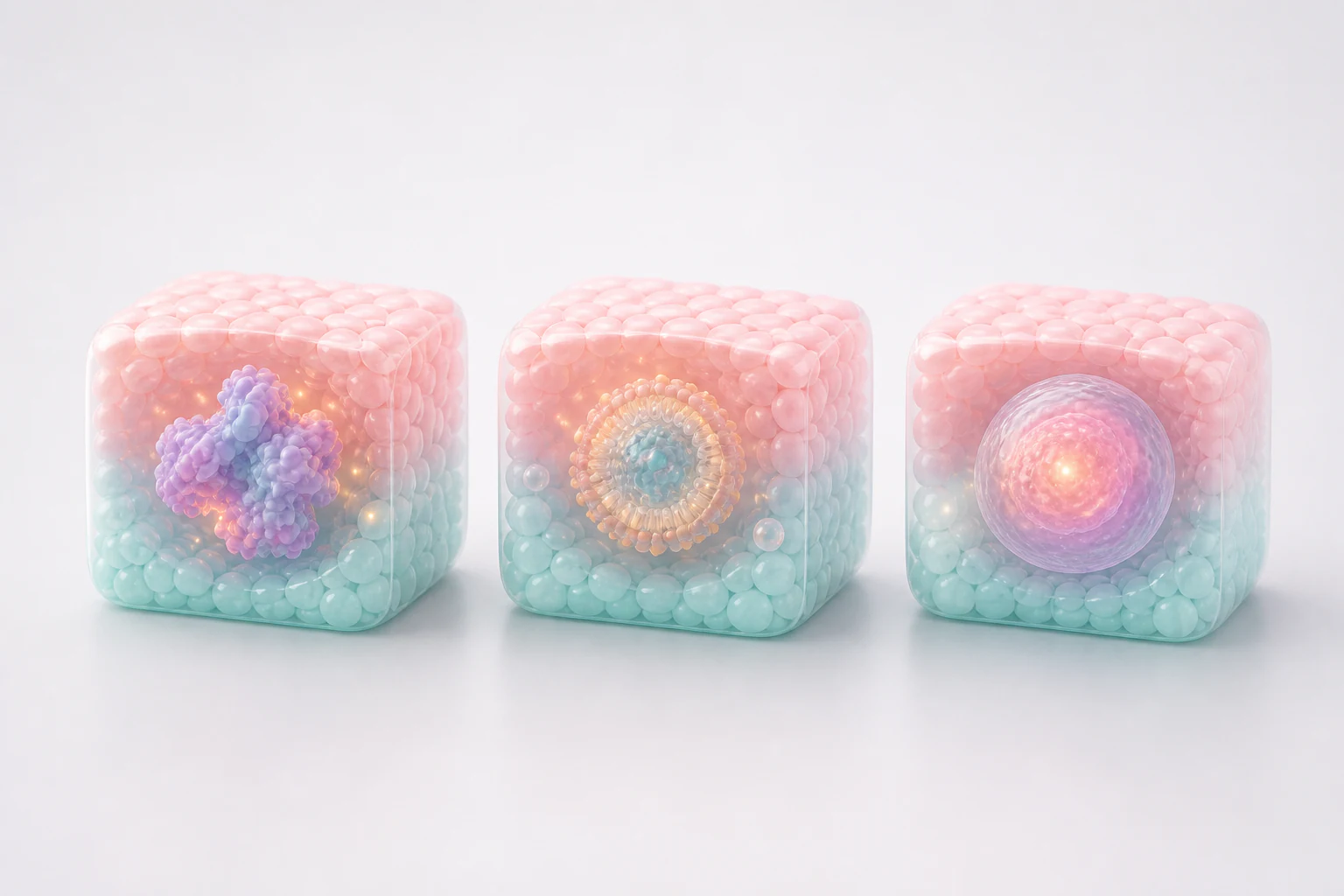
The first production decision is not visual style. It is the buyer question. A pharma BD viewer may ask whether the platform can generate multiple programs. An investor may ask why the mechanism is differentiated. A scientific founder may ask whether the video can survive technical review. A research services buyer may ask whether the process will make a complex method easier to compare.
When the question is clear, the video can be edited around a simple promise. The opening frames establish the biological context. The middle section shows the mechanism or workflow. The final section connects that mechanism to evidence, pipeline value or a next step. This keeps the explainer useful instead of decorative.
This planning also helps teams decide how much detail belongs in the first video. A two minute overview should not carry every assay condition. It should create enough understanding for the viewer to read a deck, visit a technology page or ask for a deeper technical walkthrough. For related page strategy, see our guide to biotech website animation services.
- Write the storyboard around one primary audience and one core decision.
- Use the first ten seconds to establish the category and problem.
- Keep technical depth proportional to the buying context.
Choose the Right Explainer Video Structure
Biotech explainer video production works best when the structure matches the business goal. A platform overview can move from unmet need to biological insight to repeatable engine. A mechanism video can move from tissue context to target engagement to pathway effect. A launch video can move from disease burden to product rationale to differentiating evidence.
The wrong structure creates confusion even when the renders are beautiful. A platform company can look narrow if the video focuses too much on one asset. A therapeutic company can look vague if the video never shows target engagement. A research technology company can look like a tool vendor if the story does not explain what decisions the visual output improves.
For many teams, the best answer is a modular production plan. The core explainer introduces the platform in a concise sequence. Shorter cutdowns support the website, social launch, conference screens and investor follow up. Still renders from the same scenes become figures for decks and landing pages.
- Use platform overview videos for repeatable technology stories.
- Use mechanism videos for target, pathway and modality clarity.
- Use short cutdowns when the same asset must work across channels.
| Video Type | Best Use | Main Production Risk |
|---|---|---|
| Platform overview | Partnership pages and investor introductions | Trying to explain every program at once |
| Mechanism explainer | Therapeutic rationale and scientific review | Showing detail without a clear sequence |
| Launch cutdown | Website hero loops and conference screens | Prioritizing motion over comprehension |
| Technical walkthrough | Deeper scientific conversations | Using too much shorthand for new viewers |
Turn Mechanism Into a Clear Visual Scene

A good biotech explainer video does not simply animate molecules moving around a screen. It builds a visual scene where the viewer understands location, actors and change. If the story is about delivery, the scene needs tissue context and a clear path into the right cell. If the story is about target engagement, the viewer needs to see the target, the therapeutic and the downstream effect in a controlled order.
This is where scientific review and cinematic judgment meet. Too much realism can make a scene unreadable. Too much simplification can make the science feel generic. The production team has to choose what to show literally, what to abstract and what to hold back for narration or captions.
The same principle appears in mechanism of action animation services. A mechanism explainer should stage the biological claim so a scientific viewer can follow it without losing the commercial point. The most effective scenes make the next sentence easier to believe.
- Show location before showing molecular action.
- Use color and material differences to separate actors.
- Let motion reveal cause and effect rather than adding spectacle.
Connect Evidence to the Story
Biotech explainer video production becomes more persuasive when the visual story prepares the viewer for evidence. A render of tissue penetration should lead naturally into biodistribution data. A target engagement scene should make a potency chart easier to interpret. A platform workflow should make pipeline breadth feel plausible rather than asserted.
The video does not need to become a data dump. In many cases, a short animated sequence can frame the claim before the presentation moves into plots, tables or publications. This is especially useful for business development meetings where the audience includes both scientific and commercial stakeholders.
The production plan should identify which proof points the video must support before any scene is rendered. That keeps the visual language aligned with the deck and website. It also prevents a common problem: a beautiful overview that cannot be reused when the company needs to explain the next data update.
- Place evidence after the visual claim it supports.
- Use visuals to reduce cognitive load before data review.
- Plan for future pipeline, poster and conference updates.
Build a Reusable Scientific Asset System
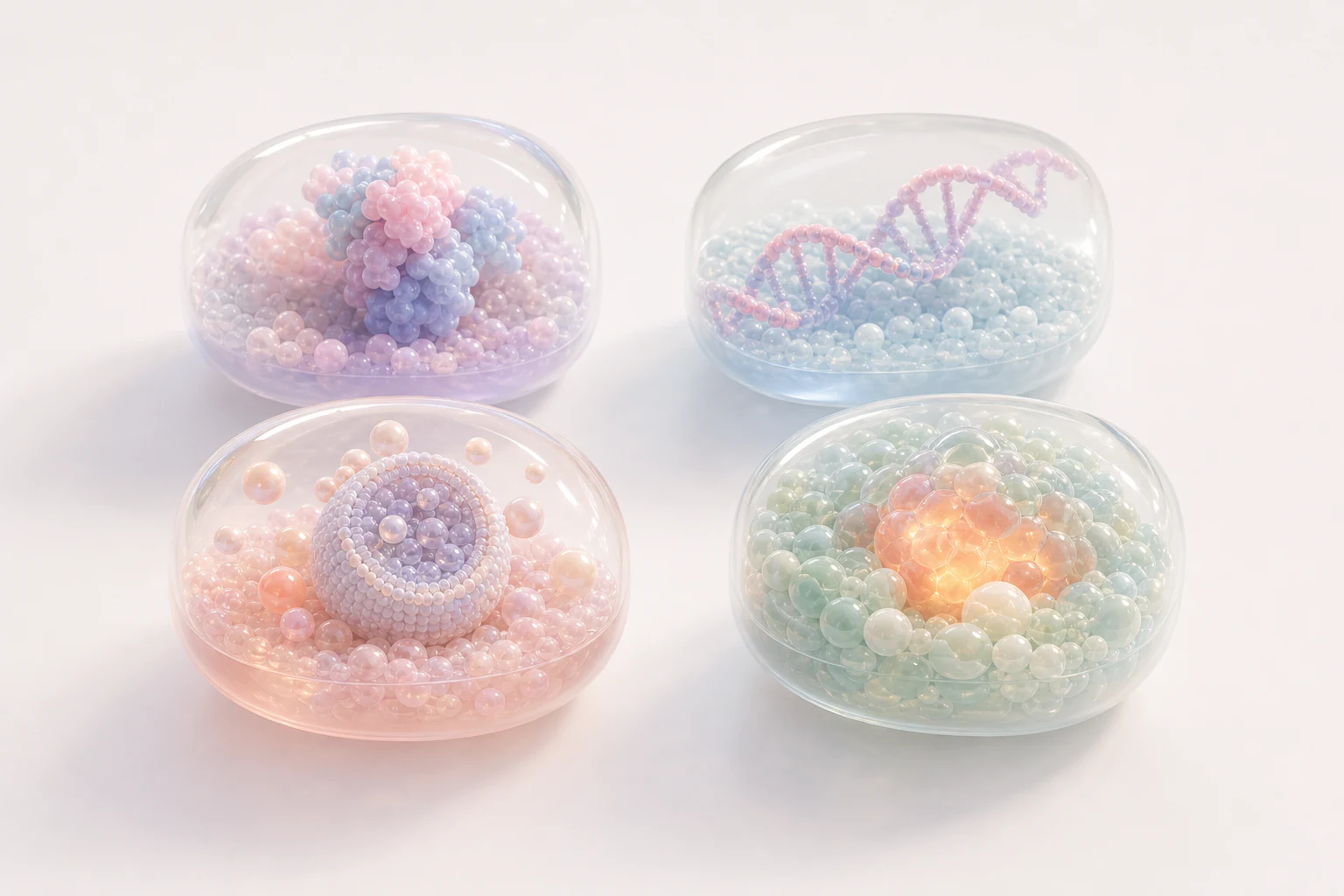
The best biotech explainer video production creates more than one finished video. It creates a reusable asset system. Proteins, cells, particles, tissues, nucleic acids, assay environments and platform modules can be built once with consistent lighting, materials and scale. Those assets can then support a main explainer, shorter loops, static figures and future campaign updates.
This matters because biotech stories change. A company may add a new indication, shift a lead program, sign a partner or release a new dataset. If every new visual is produced from scratch, the brand starts to fragment. If the 3D system is planned carefully, new scenes can feel like part of the same scientific world.
Reusable systems are also valuable for internal review. Scientific teams can approve the representation of a target, tissue layer or delivery particle once. Later outputs can adapt that approved language without reopening every visual choice. That saves time while preserving credibility.
- Create shared 3D modules for platform and mechanism scenes.
- Keep material rules consistent across videos and figures.
- Design source scenes for future still, loop and deck exports.
Plan Production for Review and Distribution
Production planning should cover scientific review, executive review and distribution before the first render. Scientific reviewers need to check biology, scale and terminology. Commercial reviewers need to check message hierarchy. Web or marketing teams need deliverables that load quickly and crop cleanly across channels.
A practical deliverable set often includes a master explainer, short website loops, silent conference versions, thumbnail stills, poster frames and high-resolution section renders. Voiceover may be useful for a full video, but many buyer touchpoints require visuals that work without sound. Captions and scene pacing should account for that reality.
The team should also decide where the video will live. A homepage hero needs a different opening than a private investor link. A conference loop needs slower readable motion. A sales follow up video needs a concise path from problem to next conversation. Distribution changes the edit, not just the file export.
- Define review stages before animation begins.
- Export sound-off versions for websites and events.
- Check desktop, mobile and presentation crops before launch.
FAQ About Biotech Explainer Video Production
How long should a biotech explainer video be?
Many overview videos work best at one to two minutes. That is enough time to set context, show the mechanism and point toward evidence without becoming a full technical seminar.
What should the first scene show?
The first scene should show the problem or biological context that makes the platform relevant. Viewers need a reason to care before they see molecular detail.
Do biotech explainers need narration?
Narration can help when the story is complex, but the visual sequence should still make sense without sound. Websites, conferences and social placements often autoplay silently.
Can one explainer support a pitch deck?
Yes. A well planned production can create video sequences and still renders for deck use. This connects naturally with biotech pitch deck animation services, where the same visual system can support investor storytelling.
- Keep the first video focused on the highest value claim.
- Use narration to support the sequence rather than rescue it.
- Plan still renders alongside the animation deliverables.
Ready to Plan a Biotech Explainer Video
Biotech explainer video production is most valuable when it turns complex platform science into a visual story that helps qualified viewers make a decision. The video should explain the biological claim, support the evidence and create a clear path to the next commercial conversation.
Animiotics helps biotech, life science and research teams build explainers, mechanism animations, launch visuals and reusable scientific render systems. The process can support a website launch, BD campaign, investor deck, conference presence or technical sales motion.
- Use this workflow when your science needs sequence and context.
- Bring platform claims, target audiences and review constraints into the first storyboard.
- Build the explainer as part of a reusable scientific asset system.