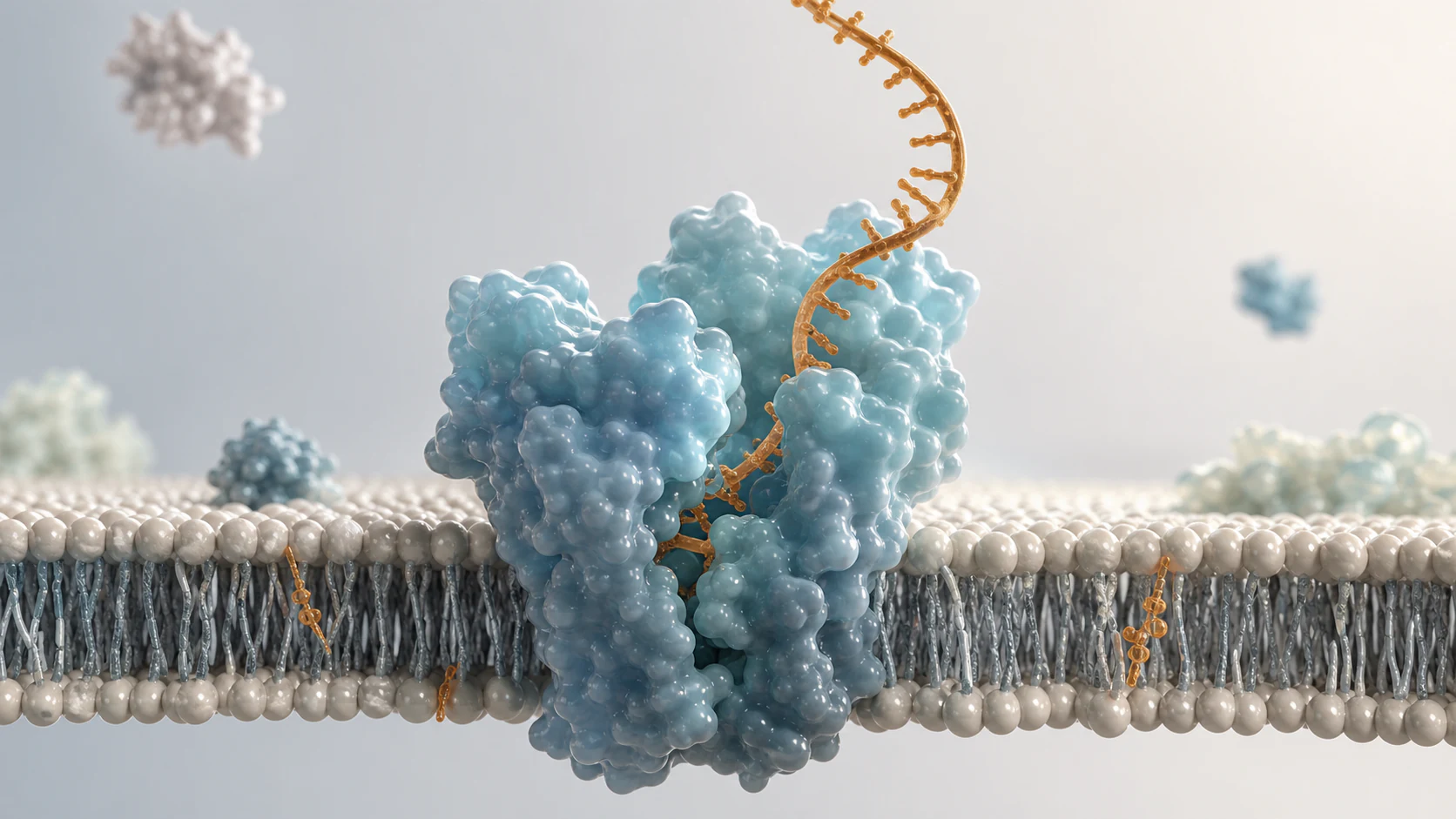
Why 3D Graphical Abstract Services Matter
3D graphical abstract services turn complex biotech science into a visual summary that a buyer, reviewer, investor or collaborator can understand quickly. A strong abstract does more than decorate a paper or website page. It shows the biological subject, the mechanism, the evidence logic and the value of the work in one controlled composition.
For biotech, pharma and research teams, a graphical abstract often becomes the first visual entry point into the science. It may sit above a publication, open a pitch deck, anchor a platform page or support a launch campaign. If the visual is generic, crowded or hard to parse, the audience has to work too hard before they understand why the science matters.
A premium 3D graphical abstract can make mechanisms, structures, cells, tissues and assay context feel tangible. The goal is not to show every detail. The goal is to select the right hero subject, arrange the supporting forms with discipline and make the visual story credible enough for scientific audiences while clear enough for commercial ones.
The Buyer Problem: Abstracts Become Collages
Many scientific graphical abstracts fail because they try to include every experiment, pathway, organ, molecule and result in one frame. The final image becomes a collage rather than a story. It may look busy and scientific, but the viewer cannot tell what to focus on first. That is a problem when the same image needs to work for a journal reader, a partner, a conference visitor or an investor.
A buyer-ready graphical abstract starts with hierarchy. One subject should lead the composition: a protein interaction, delivery particle, cell membrane, tissue niche, assay readout or translational mechanism. Supporting elements should explain context and action, not compete for attention. This is where 3D scientific rendering can help because lighting, depth, scale and materials create natural visual order.
The best abstracts are commercially useful because they reduce explanation time. They help the audience move from what they are seeing to why it matters. Instead of asking what the image means, the viewer can ask better questions about mechanism, evidence, program fit or next-step value.
- Choose one hero subject before adding supporting biology.
- Use depth and lighting to create hierarchy instead of relying on labels.
- Show a mechanism or evidence relationship, not a catalog of assets.
- Design for scientific credibility and fast buyer comprehension.
What A 3D Graphical Abstract Should Include
A useful 3D graphical abstract usually needs four parts. The first is the biological setting: molecule, cell, tissue, platform or assay environment. The second is the action: binding, delivery, editing, uptake, signaling, screening, biomarker detection or response. The third is the evidence cue: structure, signal, sample, readout or model output. The fourth is the value frame: why this mechanism or evidence matters for the platform.
The exact subject depends on the buyer question. A therapeutic platform may need to show how a modality reaches the right compartment. A structural biology story may need to highlight the binding interface. A spatial biology story may need to show tissue context and cell niches. A discovery platform may need to show how assays and models connect to decisions.
Animiotics treats the graphical abstract as a reusable visual asset, not a one-off figure. The same visual language can extend into pitch decks, website sections, scientific animation and launch materials. That matters because biotech teams need consistency across publications, investor conversations and commercial storytelling.
| Abstract goal | Best 3D subject | Commercial job |
|---|---|---|
| Explain mechanism | Protein, membrane, RNA, delivery particle or cell scene | Make the core biological action visible fast. |
| Summarize evidence | Assay environment, tissue signal or structural readout | Connect data to a clear scientific claim. |
| Support a platform page | One hero scene with repeatable visual motifs | Make the company feel specific and credible. |
| Launch a campaign | Wide render with strong crops for web and social | Create memorable assets without losing scientific seriousness. |
Publication Graphical Abstracts Versus Buyer Ready Abstracts
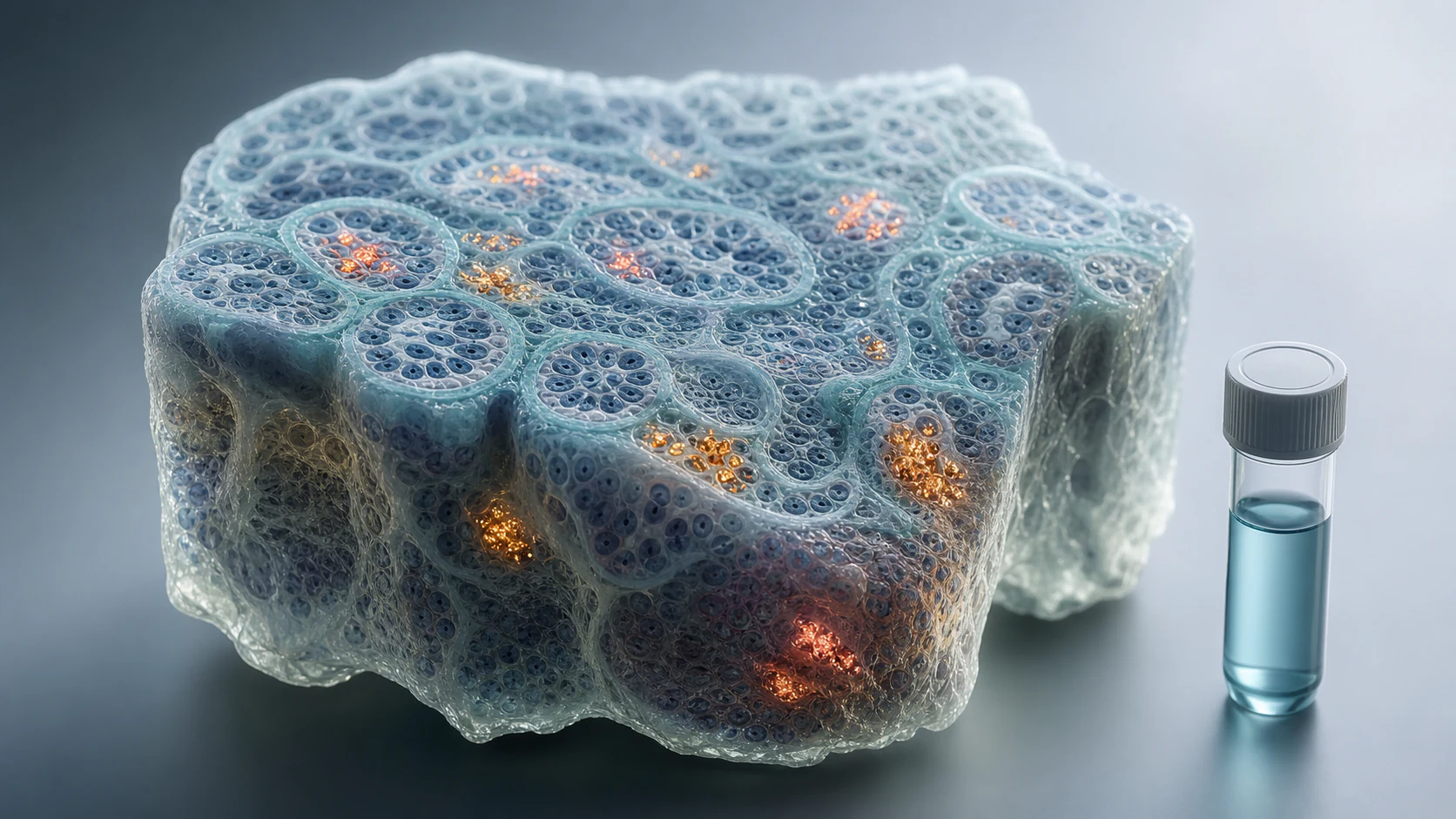
Publication graphical abstracts and buyer-ready abstracts overlap, but they are not identical. A publication abstract must help readers understand the paper quickly and fit journal requirements. A buyer-ready abstract must also work in commercial contexts: decks, websites, partner diligence, conference materials and social posts. That means the image needs more than compliance. It needs strategic clarity.
For journals, the abstract may need to foreground the experimental result and avoid speculative interpretation. For a platform website, the same science may need to show a broader mechanism or capability. For a partner deck, the image may need to clarify why the evidence supports differentiation. The underlying biology can remain consistent while the visual emphasis changes by audience.
This is why teams should define the use case before production. If the abstract will only appear in a manuscript, optimize for journal clarity and figure integrity. If it will support fundraising or BD, design it as a polished asset system with alternate crops and a visual style that can scale.
- Keep publication versions conservative and evidence-led.
- Use commercial versions to clarify platform value without overstating results.
- Build alternate crops for website, slide and social formats.
- Avoid fake labels, charts, dashboards, watermarks and decorative UI.
Mechanism Graphical Abstracts For Biotech Platforms
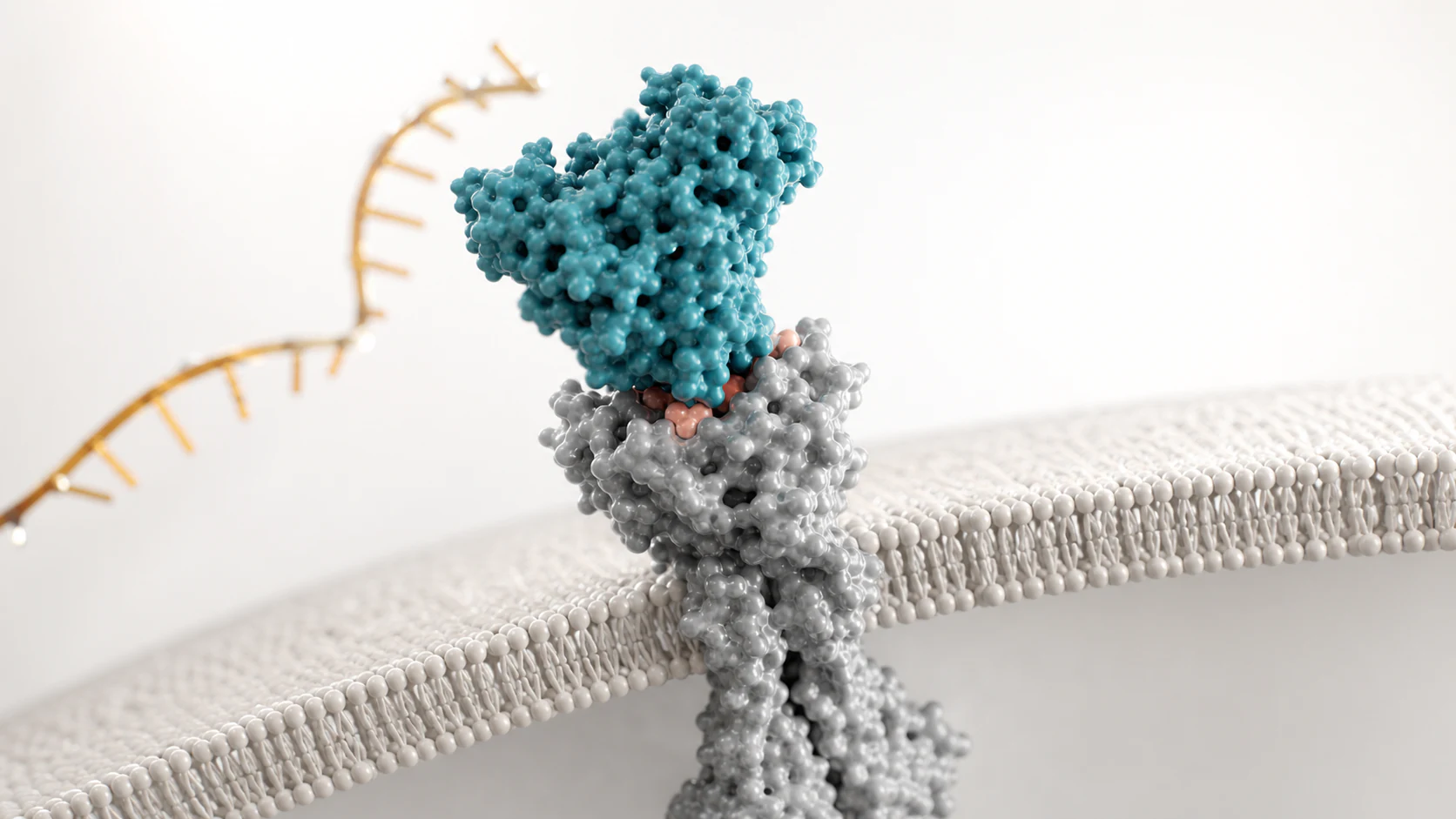
Mechanism graphical abstracts are valuable when the audience needs to understand how a product, platform or assay works before digging into the details. A good mechanism abstract can show target engagement, delivery, uptake, binding, editing, signaling, degradation or immune interaction in a single coherent scene.
The image should focus on the step that creates value. If a delivery platform differentiates through endosomal escape, the abstract should make compartment crossing legible. If a protein design story depends on interface shape, the abstract should highlight the binding surface. If an RNA platform depends on sequence-specific action, the abstract should make strand identity and cellular context clear without overloading the frame.
Related Animiotics resources such as https://animiotics.com/blog/scientific-animation-services-for-biotech-how-to-turn-mechanisms-models-and-data-into-buyer-ready-visuals/ and https://animiotics.com/blog/molecular-dynamics-visualization-services-how-to-explain-protein-motion-binding-pathways-and-simulation-evidence-clearly/ show how still visual summaries can connect to broader animation and mechanism storytelling workflows.
Visual Direction For Premium Scientific Abstracts
Premium scientific abstracts usually work best when they avoid the look of generic infographic art. The scene should feel like a crafted 3D scientific render with physically plausible materials, polished studio lighting and readable silhouettes. A neutral or light minimal background keeps attention on the biology. Subtle depth of field can guide the eye without hiding important details.
A restrained biotech palette also helps. Muted teal blue, pearl white, silver gray, warm amber and sparse coral accents can separate molecules, membranes and signals while keeping the image mature. This is especially important for biotech buyers. Toy-like capsules, pastel blobs and glass-bead clusters may look cheerful, but they rarely create confidence in a technical platform.
The strongest abstracts use only a few supporting scientific forms. A protein ribbon, RNA strand, membrane surface, microscopy-inspired tissue volume or lab-grade material cue can provide context. Too many elements make the image harder to remember and harder to crop for multiple channels.
- Use one clear biomolecular, cellular, tissue or platform hero subject.
- Keep supporting forms sparse and purposeful.
- Use polished lighting and plausible materials instead of decorative effects.
- Make the composition wide enough for modern web and social crops.
How To Scope A 3D Graphical Abstract Project
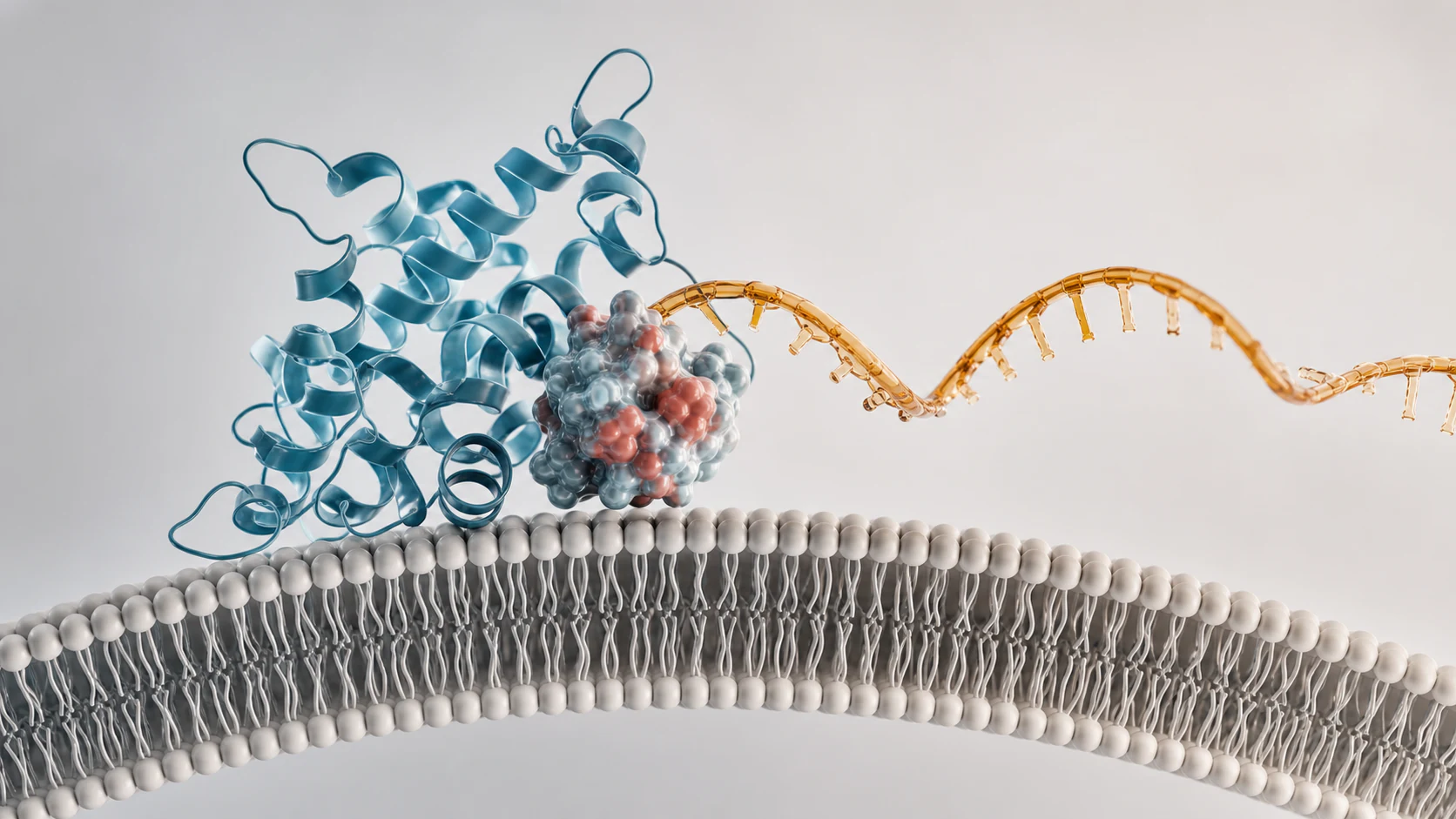
A 3D graphical abstract project should start with the message and the asset plan. The team should identify the primary audience, the scientific claim, the required formats and the places where the image will be used. A manuscript may need a conservative square or horizontal figure. A website may need a wide hero crop. A pitch deck may need a slide version with room for copy. A launch campaign may need several crops from the same render.
Next, define the subject hierarchy. The first layer is the hero biology. The second layer is the action or evidence. The third layer is supporting context. The fourth layer is optional branding through color and material, not logos or visible text. This keeps the abstract flexible and prevents it from becoming dependent on labels that may fail in small sizes.
Useful inputs include a manuscript abstract, platform summary, target biology, assay description, structural reference, old figure, desired use cases and examples of visuals the team wants to avoid. A rough sketch is often enough to begin. The production process can then refine composition, scientific fidelity, materials, lighting and crops.
FAQ: 3D Graphical Abstract Services
What are 3D graphical abstract services?
3D graphical abstract services create polished scientific visual summaries that explain a mechanism, platform, assay, structure or evidence story using 3D render techniques. They are used for publications, websites, decks, posters, launch campaigns and scientific animation planning.
How is a 3D graphical abstract different from a figure?
A figure often presents specific data or experimental results. A graphical abstract summarizes the story and helps the audience understand the relationship between subject, action and meaning. Some projects need both a data figure and a separate abstract.
Can Animiotics create journal-safe versions?
Yes. A journal-safe version can be conservative, evidence-led and aligned with manuscript requirements, while a commercial version can use the same core scene for website or deck communication.
What does a team need before starting?
Helpful inputs include the paper or platform summary, target audience, required sizes, key mechanism, any reference structures or data, examples of existing figures and a short list of visual directions to avoid.
Ready To Turn Complex Science Into A Clear Visual Summary
If your mechanism, platform or evidence story is too complex for a single slide, Animiotics can help turn it into a polished 3D graphical abstract. We build publication-ready and buyer-ready visual summaries for biotech, pharma, research and platform teams that need complex science to feel clear, credible and memorable.
Use 3D graphical abstract services when your current figure looks like a collage, your platform page lacks a memorable scientific image or your launch needs a visual system that can carry across web, deck and social channels. See related work at https://animiotics.com/blog/graphical-abstract-maker-how-to-create-clear-publication-ready-visual-summaries-faster/ or start from the Animiotics homepage at Animiotics.
- Create a publication graphical abstract with premium 3D scientific rendering.
- Build a buyer-ready visual summary for web, deck and launch use.
- Translate a mechanism into a clear molecular, cellular or tissue scene.
- Develop reusable crops and style direction for a broader campaign.