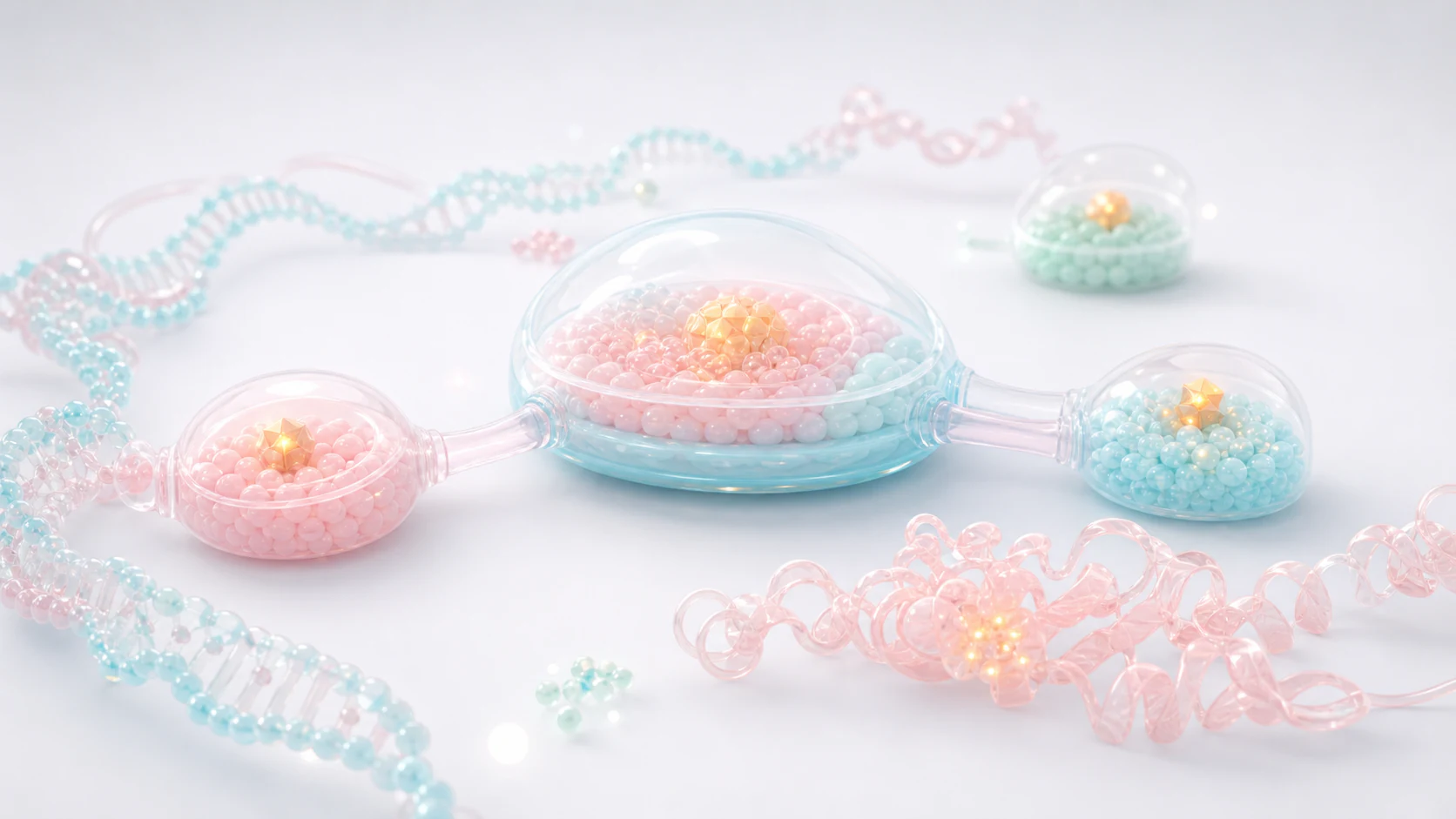
Why Synthetic Biology Animation Services Matter
Synthetic biology animation services matter because engineered biology is rarely understood from a single diagram. A buyer may hear about genetic circuits, chassis cells, inducible control, pathway tuning or programmable outputs, but still need to see how those parts work together as a coherent platform. Animation gives the team a way to explain sequence, context and intent without turning every conversation into a technical lecture.
The communication challenge is that synthetic biology can look either too abstract or too busy. A generic DNA helix does not explain design logic, cellular behavior or product value. A dense pathway map may satisfy an internal scientist but lose an investor, BD reviewer or website visitor. Strong visuals sit between those extremes. They show engineered parts, cellular context and output behavior in a way that feels credible and commercially useful.
Animiotics builds synthetic biology animation services for biotech, platform and research teams that need buyer-ready visuals for websites, investor decks, conference launches, pharma partnering and scientific presentations. The goal is not decorative biology art. The goal is to make engineered systems easier to evaluate, remember and discuss.
- Use synthetic biology visuals when platform logic needs to be understood quickly.
- Show how parts, circuits, cells and outputs connect in one story.
- Keep scientific structure visible while removing avoidable visual clutter.
Turn Genetic Circuits Into a Clear Platform Story
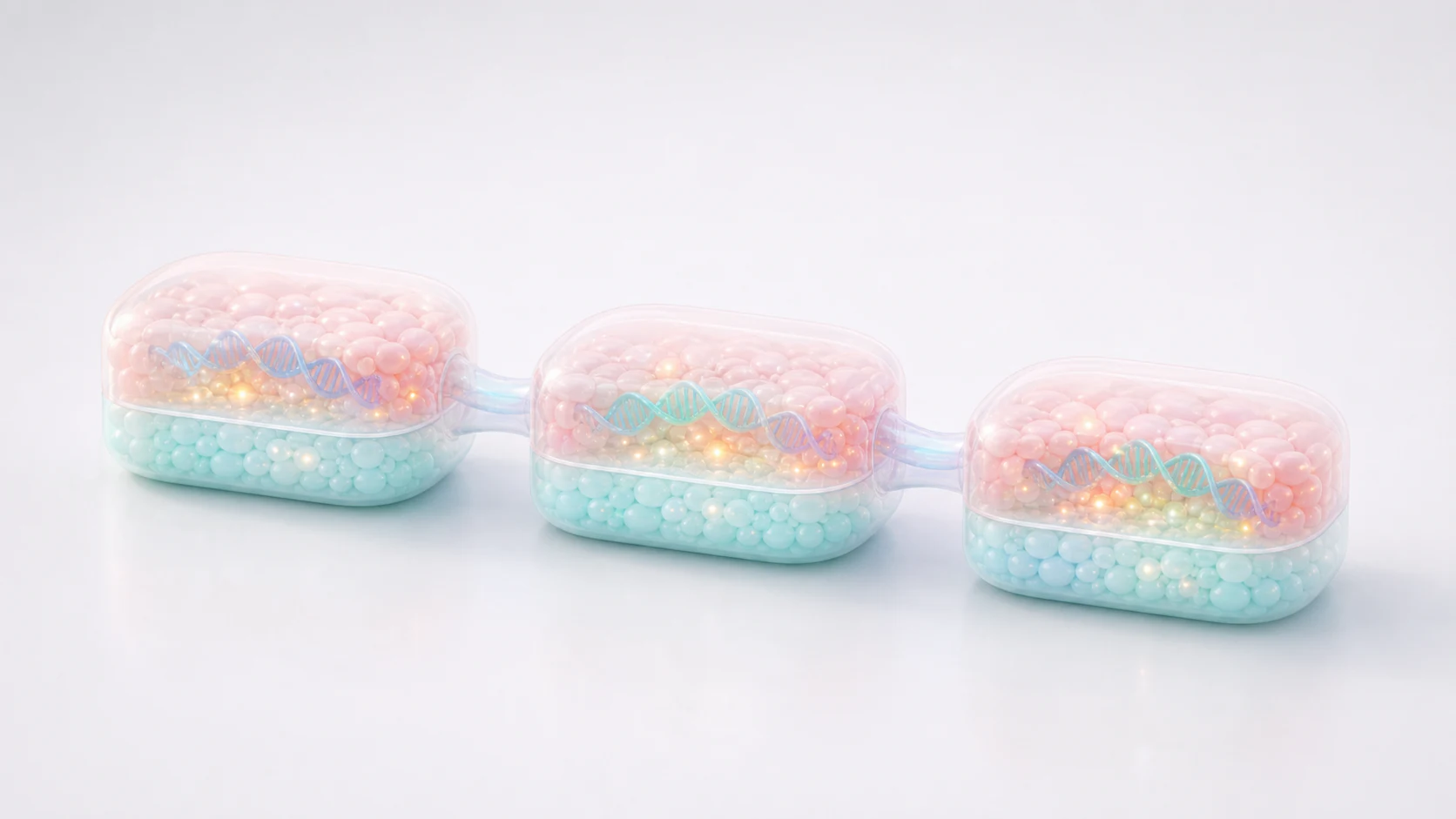
A genetic circuit is often the heart of a synthetic biology story, but it can be hard to explain visually. Promoters, sensors, logic gates, regulators, payloads and feedback behavior all matter, yet showing every component with equal weight can make the story harder to read. A useful animation starts with the commercial claim. Is the platform more precise, more tunable, more scalable, more cell-type aware or better suited to a specific therapeutic or industrial output?
Once the claim is clear, the visual system can separate the circuit into readable moments. One scene can introduce the engineered module. Another can show input detection or control. A third can show the biological output that matters to the buyer. This approach lets technical audiences see the design logic while non-specialist stakeholders understand why the circuit creates value.
This is close to the planning discipline used in biotech platform visualization but with more emphasis on programmable biological behavior. The platform should feel engineered, modular and testable rather than magical.
- Define the platform claim before selecting visual scenes.
- Separate input detection, circuit control and biological output.
- Use modular visual language so future programs can reuse the same system.
Explain Engineered Cells Without Overloading the Viewer
Engineered cells are powerful story objects because they connect design intent to biological context. They can represent immune cells, microbial strains, stem cells, organoid systems or other chassis choices. The risk is that the cell becomes a container for every possible detail. If every receptor, pathway, organelle and data point appears at once, the asset becomes harder to use in a deck or website.
A better approach is to make the engineered cell the stage for one clear action. The animation can show the cell receiving a signal, activating a designed circuit, producing a therapeutic payload, changing a pathway state or interacting with a tissue environment. Supporting figures can carry assay results, safety markers, manufacturing details or dose response. The animation should make the mechanism legible first.
This is especially useful for teams working near cell therapy, gene regulation or living medicine. A buyer does not only need to know that the cell was engineered. They need to understand what the engineering changes, how that change is controlled and why the platform can support more than one program.
- Use the cell as a focused context, not a container for every detail.
- Make the engineered action visible in a short sequence.
- Keep measured data separate from conceptual mechanism scenes.
| Visual Focus | Buyer Question | Useful Treatment |
|---|---|---|
| Circuit design | What has been engineered? | Modular DNA or pathway elements with restrained hierarchy |
| Cellular context | Where does the design act? | Simplified cell scene with only relevant compartments |
| Output behavior | What useful effect is produced? | Controlled signal, payload or pathway transition |
| Platform reuse | Can this support more programs? | Consistent modules shown across several applications |
Connect Pathway Outputs to Evidence and Value
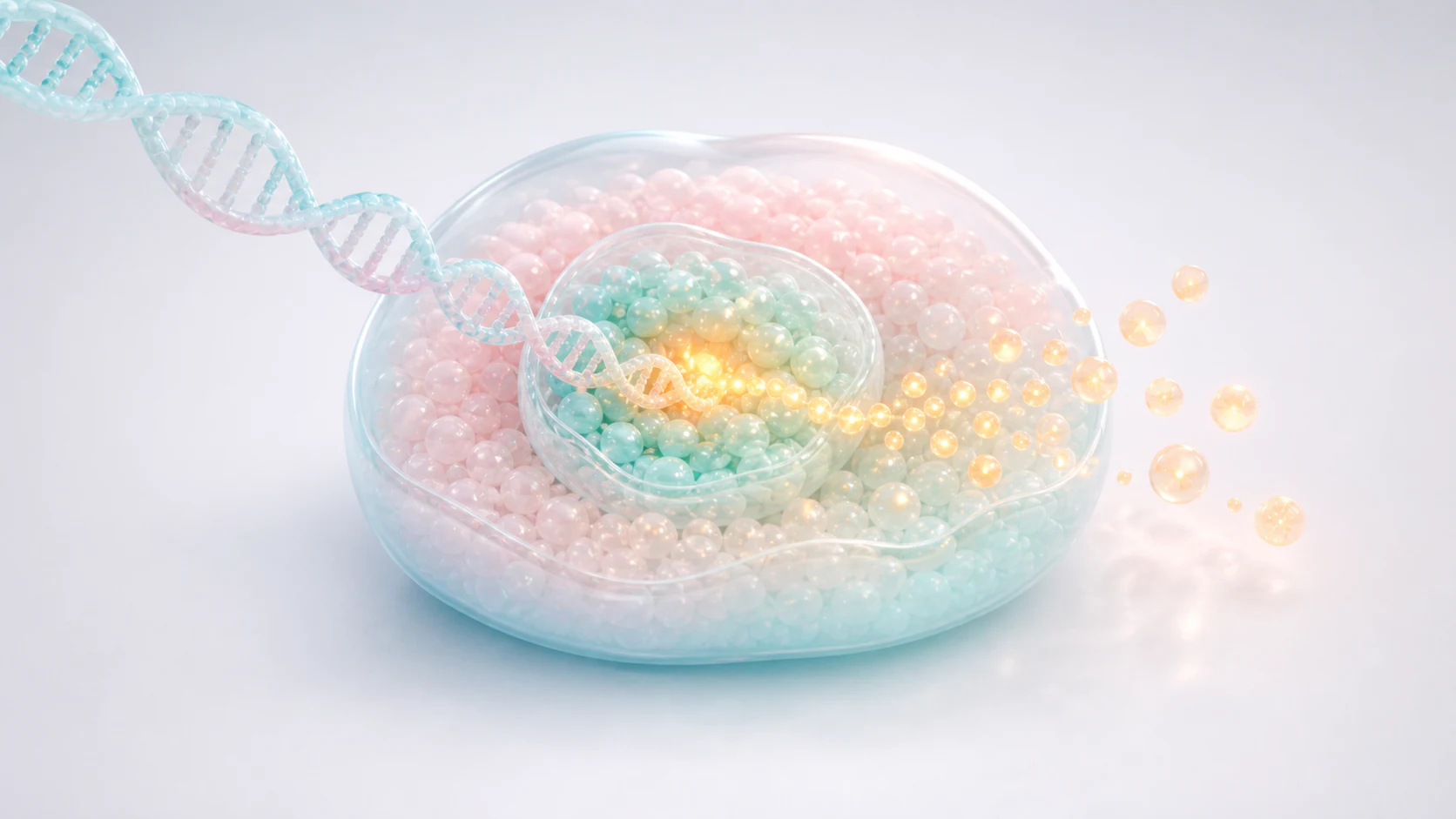
Synthetic biology teams often have strong internal evidence but weak external storytelling. A pathway output might be obvious to the research team because it appears in assay panels, expression readouts or functional tests. Outside the team, that same output can feel disconnected from the platform claim. Animation can bridge the gap by showing how the engineered design leads to the measured biological result.
The key is to avoid pretending that a conceptual render is the data. A useful asset can show the designed pathway activating or suppressing a target process, then let an adjacent figure or slide show the measured evidence. This helps viewers understand what they are seeing: the animation explains mechanism and the data supports performance.
For teams that already use mechanism of action animation services, synthetic biology visuals add an engineering layer. The question is not only what the biology does. It is how a designed system can control, redirect or standardize that biology across use cases.
- Show how designed parts lead to a biological output.
- Use separate data visuals when evidence supports the claim.
- Make the distinction between conceptual mechanism and measured result obvious.
Design Assets for Websites Decks and Partnering
Synthetic biology animation services should produce assets for the places where buyers actually evaluate the company. A website hero needs instant category recognition. An investor deck needs to show why the platform is coherent and defensible. A pharma partnering deck may need to explain design logic, program fit, data maturity and collaboration value without overwhelming a mixed scientific and commercial audience.
One finished animation is rarely enough. A launch package may need a cover render, a short mechanism loop, a modular platform figure, a pathway output scene and several slide-ready crops. Planning these formats early keeps the story consistent across website pages, pitch decks, conference screens and outreach materials.
The strongest commercial visuals also leave room for scientific nuance. They can show what is engineered, what has been validated, what remains exploratory and which evidence belongs to which claim. That discipline helps the company look more credible because it respects the buyer's need to separate promise from proof.
- Plan crops for website, deck, conference and BD use from the start.
- Use consistent visual grammar across platform and program assets.
- Write captions that clarify evidence boundaries and reduce ambiguity.
Build a Reusable Synthetic Biology Visual System
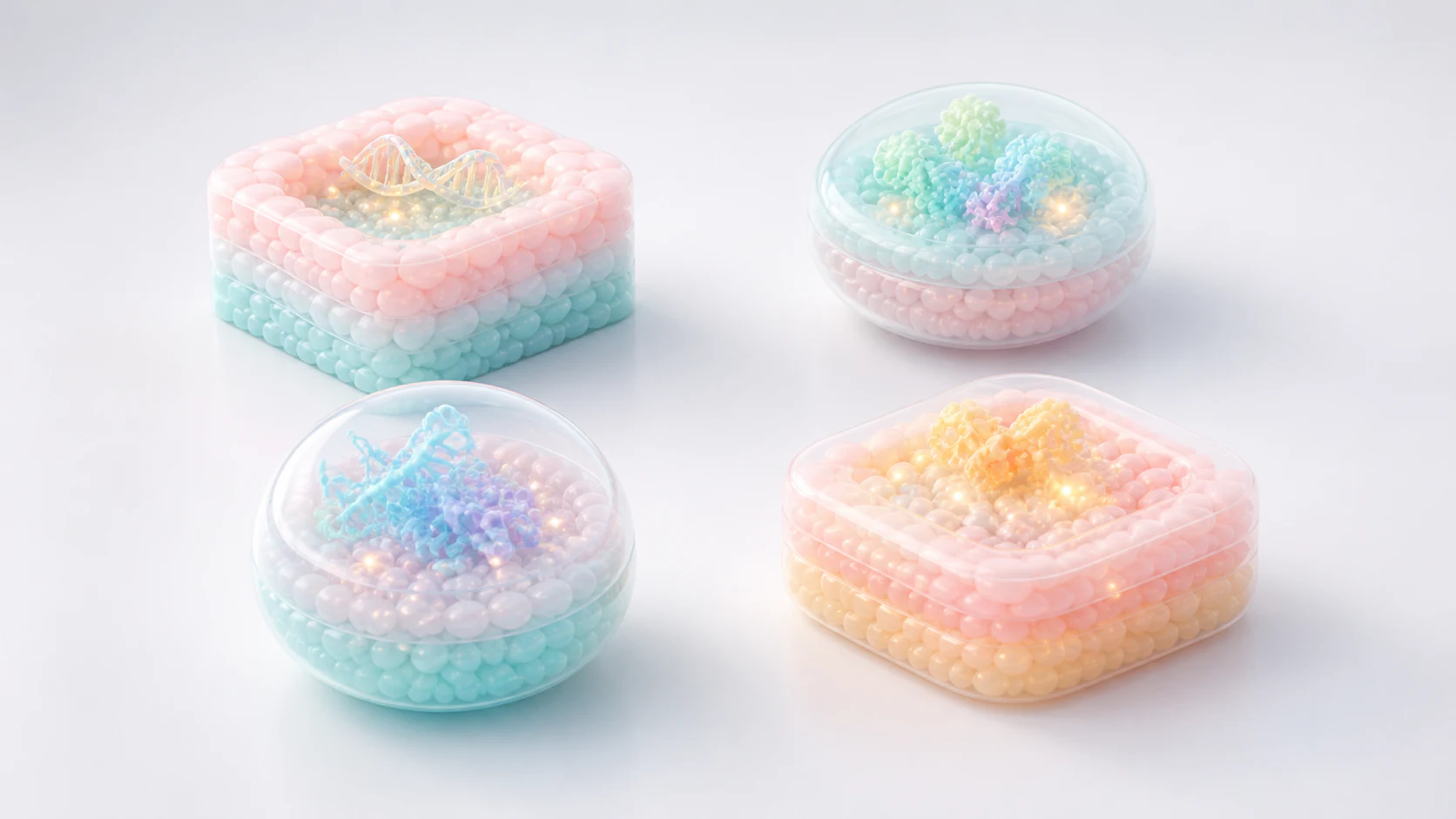
A reusable visual system is often more valuable than a single polished render. Synthetic biology companies may need to explain several circuits, chassis cells, payloads, disease areas, manufacturing contexts and partnership applications over time. If every asset uses a different visual language, the platform can feel fragmented even when the underlying science is connected.
A visual system can define how engineered modules appear, how inputs are shown, how outputs are represented, how cell context is simplified and how evidence is separated from mechanism. It can also define what to avoid: fake dashboards, unreadable pathway webs, unsupported glow effects, decorative DNA spirals or crowded figures that make every claim look equally important.
This reusable system helps platform teams scale communication. The same visual grammar can support therapeutic synthetic biology, engineered microbes, cell engineering, gene regulation, screening platforms or biomanufacturing stories while preserving a recognizable scientific identity.
- Standardize modules, cells, pathway cues and evidence cues.
- Build assets that can adapt to new programs without starting over.
- Review the system with scientific, commercial and regulatory-aware stakeholders before launch.
FAQ About Synthetic Biology Animation Services
What are synthetic biology animation services?
They are scientific visualization services that turn engineered genetic circuits, chassis cells, pathway outputs, platform claims and supporting evidence into clear renders, storyboards, figures and animations.
Who needs synthetic biology animation?
Biotech startups, platform companies, cell engineering teams, gene regulation groups, microbial engineering teams, biomanufacturing companies and research groups use these visuals when engineered biology is central to the story.
Can the visuals include real assay data?
Yes. The strongest projects often combine explanatory 3D renders with expression data, pathway readouts, functional assays, screening outputs or manufacturing evidence. The important point is to show which assets are conceptual and which assets are measured.
How many visuals should a launch package include?
Many teams start with one cover image plus three or more supporting section visuals, then expand into a short mechanism animation, investor deck figures, BD visuals and a reusable platform asset library.
- Use animation when engineered biology needs a fast clear explanation.
- Keep circuits, cells, outputs and evidence visually distinct.
- Create reusable assets if the platform supports several applications.
Ready to Build Synthetic Biology Visuals
Synthetic biology animation services are most useful when they make engineered systems easier to evaluate. The right assets explain what was designed, how it behaves inside a biological context, what output it creates and why the platform can support commercial value.
Animiotics helps biotech, platform and research teams create synthetic biology renders, genetic circuit visuals, engineered cell animations, pathway output scenes, website assets, pitch deck figures and animation-ready storyboards. The work can support fundraising, launch pages, partnering, scientific presentations and conference campaigns.
Talk to Animiotics about synthetic biology animation services
- Bring the platform claim, circuit logic, cell context and evidence goals into the first brief.
- Use a reusable visual system for platform and program-level assets.
- Turn engineered biology into buyer-ready visuals without losing scientific discipline.