
Why Radiopharmaceutical Therapy Animation Services Matter
Radiopharmaceutical therapy animation services matter because targeted nuclear medicine is a difficult story to explain with static pathway slides alone. A program may need to show receptor expression, ligand binding, internalization, isotope decay, tissue exposure, tumor response, organ safety and patient selection in one concise narrative. Each element has scientific weight, but the commercial value is lost when the audience sees only acronyms and dose tables.
For biotech and platform teams, the communication challenge is practical. A BD team may need to show why a ligand reaches tumor cells with selective uptake. A clinical team may need to explain why dosimetry, half-life and clearance affect therapeutic window. A platform company may need a reusable visual system that connects isotope choice, linker chemistry, companion imaging and oncology indication strategy across decks, web pages and conference materials.
A strong radiopharmaceutical therapy animation does not make radiation look theatrical. It builds a clear mental model. The viewer sees the target-positive tumor, the circulating radioligand, the binding event, the payload effect and the surrounding healthy tissue context as separate visual beats. That sequencing helps investors, partners, clinicians and patient education teams understand why a program is differentiated before they review the full data package.
- Use animation when targeting, uptake, clearance or dose timing changes the story.
- Keep ligand, receptor, isotope payload, tumor cell and healthy tissue visually distinct.
- Plan still renders and motion scenes from the same approved 3D asset system.
Start With the Targeting Claim

The first planning question is what the animation must prove. Some radiopharmaceutical programs are built around a receptor with strong tumor expression. Others emphasize a novel ligand, a different isotope, a linker strategy, a companion diagnostic or a better toxicity profile. These are not the same visual problem. A generic glowing particle near a tumor will not explain why a platform deserves attention.
If the claim is selective targeting, the first scene should separate target-positive tumor cells from lower-expression background tissue. If the claim is payload selection, the visual should show how isotope range, decay profile and local effect relate to tumor geometry. If the claim is theranostic workflow, the animation should connect imaging, patient selection and treatment delivery without making the sequence feel like an unrelated scan and therapy montage.
This discipline is similar to the planning behind antibody-drug conjugate mechanism of action animation. In both cases the story depends on a targeting vehicle, a payload and a biological result. Radiopharmaceutical therapy animation services add the extra burden of explaining radiation range, decay timing and organ exposure without turning the asset into a physics lecture.
- Define whether the asset sells a molecule, an isotope strategy, a platform or a clinical rationale.
- Choose one primary targeting claim before adding dosimetry or workflow detail.
- Use a restrained visual language so radioligand binding feels precise rather than decorative.
Translate Uptake and Internalization Into a Clear Sequence
Radioligand uptake can be visually confusing because several events happen at different scales. The ligand moves through circulation, reaches tissue, binds a receptor, may internalize, releases local radiation over time and creates a therapeutic effect that is often measured later. A useful animation separates those time scales. The audience should not have to guess whether the scene is showing delivery, binding, decay or response.
A clean sequence starts with the tumor environment. Show receptor-rich cells as a defined group inside a simple tissue volume. Introduce the radioligand as small, consistent particles with a distinct payload core. Let the ligand approach, dock and concentrate near target-positive cells. Then show the local effect as a controlled field or subtle glow rather than dramatic explosions. The goal is credibility, not spectacle.
This approach gives commercial teams reusable pieces. The same receptor scene can become a website hero, a conference loop, a pitch deck still or a longer mechanism video. The same radioligand asset can support multiple indications if the targeting logic is consistent. When the underlying 3D system is planned well, teams can update the ligand color, isotope core, tumor context or camera path without rebuilding the story from scratch.
- Separate circulation, binding, internalization, local dose and response into clear beats.
- Use particle density to suggest uptake while avoiding quantitative claims that the data does not support.
- Keep radiation effects subtle enough for scientific and clinical audiences.
Show Dosimetry Without Overloading the Viewer
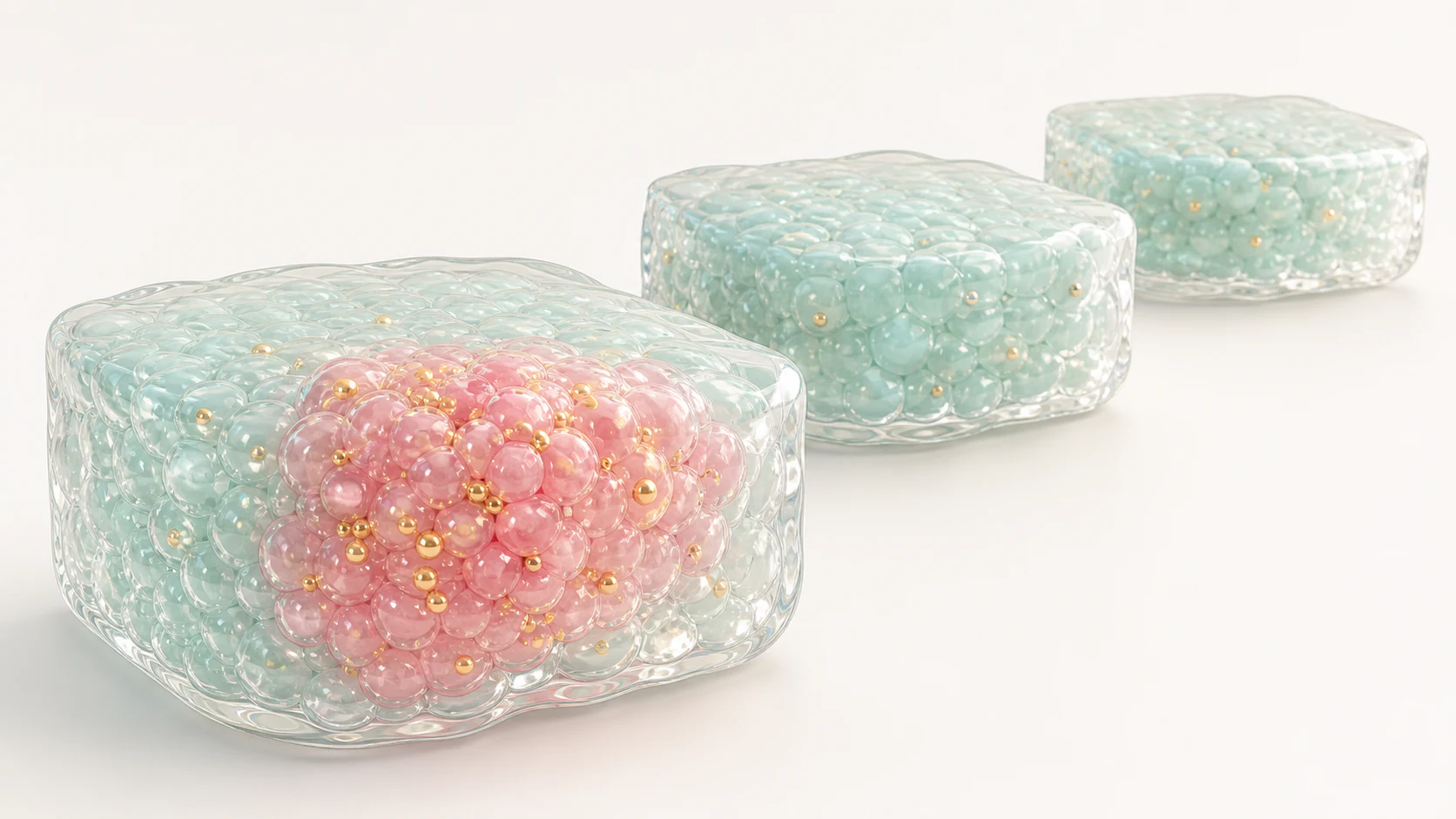
Dosimetry is often the hardest part of a radiopharmaceutical story to communicate visually. The science includes absorbed dose, residence time, clearance, organ exposure, isotope half-life and tumor heterogeneity. A single animation cannot turn every variable into a precise measurement. It can, however, show why those variables matter and where they fit in the decision process.
The most useful visuals treat dosimetry as a spatial and temporal concept. Spatially, the viewer should see why uptake inside the tumor and lower exposure in healthy tissue matter. Temporally, the animation should show that delivery and decay are not one instant. A simple time-based camera move can show ligand concentration, local effect and clearance in a way that supports the data without replacing it.
For investor and partner materials, avoid fake heatmaps unless they are tied to real data. A polished abstraction can still be accurate if the caption and script are clear. For technical decks, a second version can add measured curves, organ constraints or scan-derived overlays. The best radiopharmaceutical therapy animation services create a family of assets, from high-level mechanism scenes to more detailed scientific figures.
- Use spatial contrast to explain tumor uptake versus background exposure.
- Use time-based motion to explain residence and clearance.
- Reserve numeric dose overlays for data-backed technical versions.
| Communication Goal | Visual Approach | Why It Works |
|---|---|---|
| Selective uptake | Target-positive tumor cells gather more radioligand particles than nearby healthy tissue. | The audience understands targeting before seeing data details. |
| Therapeutic window | Tumor region glows subtly while healthy tissue remains calm and lightly populated. | The scene frames benefit and safety in one readable composition. |
| Time-dependent exposure | A short sequence shows concentration, local effect and partial clearance. | The viewer sees why timing matters without reading a full PK slide. |
| Platform extensibility | The same ligand, target and tissue modules are reused across indications. | The company can present a coherent platform instead of isolated assets. |
Build Visual Assets for Platform and Clinical Audiences
A radiopharmaceutical platform usually needs more than one asset. Scientific reviewers may want to see target biology, ligand chemistry and isotope rationale. Investors may want to understand why the platform can expand across tumor types. Clinical audiences may care about patient selection, imaging workflow, organ safety and response monitoring. A single style system helps every asset feel connected while allowing the level of detail to change.
For broad commercial use, start with a simple 3D library: receptor-positive tumor cells, lower-expression background tissue, ligand particles, isotope cores, scan-inspired tissue volumes and clean camera moves. Avoid embedding claims into the image itself. The asset should be able to support different scripts, captions and regulatory review comments without repainting every frame.
The same thinking applies to tumor microenvironment visualization. A visual system works when each biological actor has a stable shape, material and color role. Radiopharmaceutical therapy animation services should make the target, ligand, payload and tissue context recognizable across still figures, short clips and full mechanism videos.
- Create a modular scene library before producing the final animation.
- Use consistent materials for tumor cells, healthy tissue, ligands and isotope cores.
- Design still images and video scenes together so campaigns stay visually coherent.
Storyboard the Mechanism Before Production
A good storyboard prevents radiopharmaceutical visuals from becoming a cloud of glowing particles. Start with the audience and the decision they need to make. A partner evaluating a licensing conversation may need target logic and platform scalability. An investor may need a concise explanation of why the modality fits the indication. A medical audience may need a more careful distinction between imaging, therapy, dose and response.
The storyboard should name each visual beat before production starts. A typical sequence might open with receptor-positive tumor tissue, introduce the radioligand, show selective binding, reveal internalization or local proximity, explain radiation range, show surrounding tissue contrast and close with response or platform reuse. Each beat should have one claim. When a beat tries to explain targeting, dosimetry and commercial strategy at once, it becomes hard to remember.
Review also needs to be built into the process. Subject matter experts should check receptor depiction, isotope language, dose claims, target expression assumptions and organ safety framing before final rendering. Early review is much cheaper than rebuilding animation after a team notices that a visual implies uptake, internalization or cytotoxic effect more strongly than the data supports.
- Write one claim per scene before opening the 3D file.
- Separate mechanism visuals from evidence visuals when the data needs a different level of precision.
- Review implied claims in the image, not only the script.
| Scene | Visual | Motion | Purpose |
|---|---|---|---|
| Tumor context | Pastel tumor cells inside a clean tissue volume | Slow camera reveal | Establish the biological target environment |
| Radioligand arrival | Small gold payload particles approach receptor-positive cells | Gentle directional movement | Show delivery and targeting without clutter |
| Selective binding | More particles gather on tumor cells than background tissue | Particles dock and hold position | Make the targeting claim visually obvious |
| Local effect | Subtle warm field appears near the tumor region | Soft pulse over time | Explain therapeutic action without overstatement |
| Platform reuse | Ligand, isotope and tissue modules separate into a clean asset set | Camera pulls back | Position the company as a platform, not a single animation |
FAQ About Radiopharmaceutical Therapy Animation Services
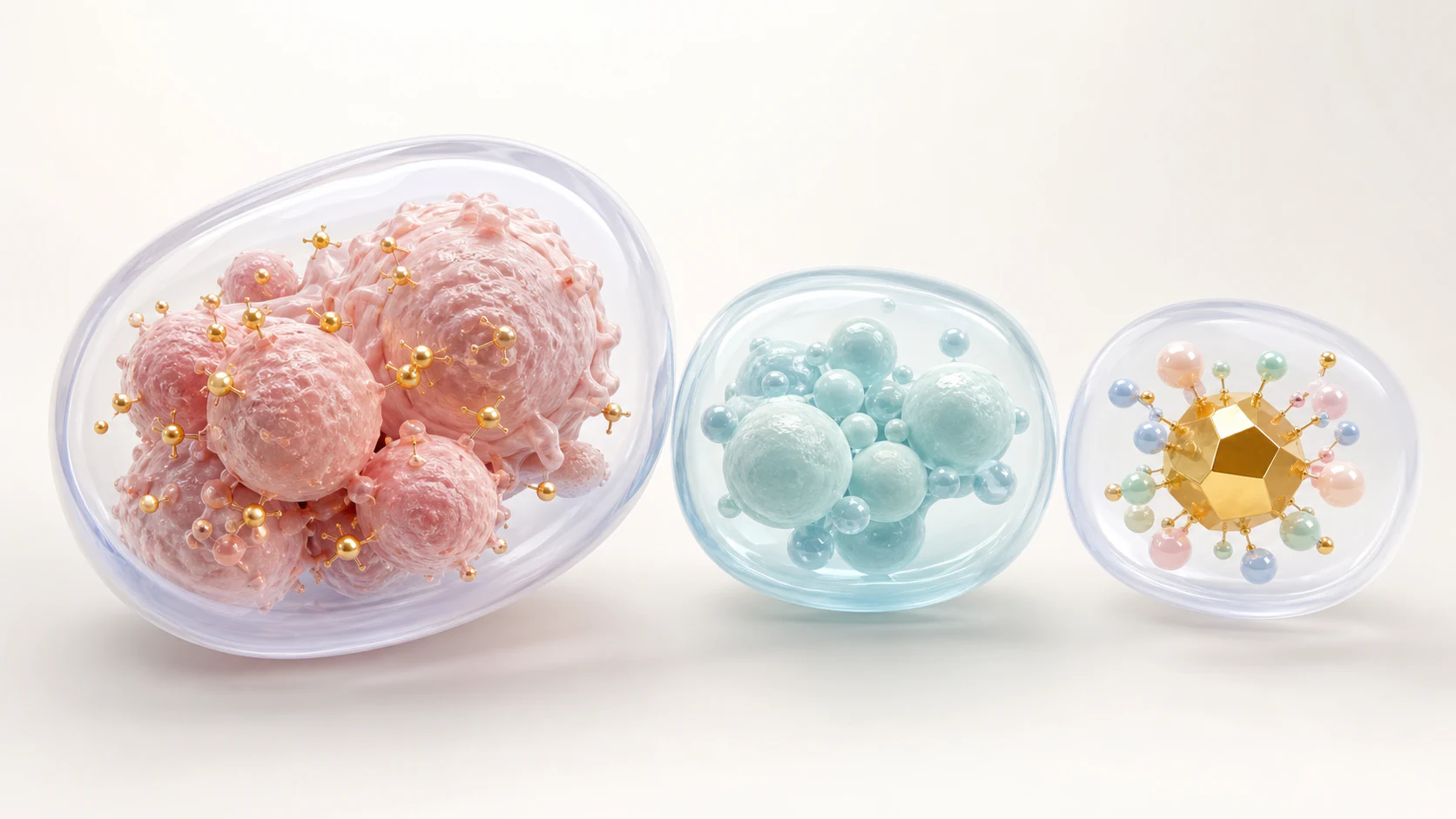
What should a radiopharmaceutical animation show first?
Start with the targeting claim. The viewer needs to understand which tumor cells express the target, how the ligand reaches them and why uptake is selective before the story moves into isotope choice, dosimetry or clinical workflow.
Can an animation show radiation accurately?
It can show radiation conceptually, but it should not imply exact dose distribution unless the scene is built from real measurements. For most commercial assets, a restrained glow or local field is clearer and safer than dramatic beams or explosions.
How long should a radiopharmaceutical mechanism video be?
Most buyer-facing mechanism videos work well at 45 to 90 seconds. A shorter website loop can focus on targeting and uptake. A longer technical video can add companion imaging, patient selection, dose planning and response monitoring.
What assets are useful beyond the final video?
Still renders, slide figures, conference booth loops, social clips, investor deck scenes and modular 3D components are all useful. Planning these deliverables together reduces cost and keeps the platform story consistent.
- Use one polished visual system for high-level and technical versions.
- Keep captions specific about what the image claims and what it does not claim.
- Build reusable assets when the platform may expand across targets or isotopes.
Ready to Plan a Radiopharmaceutical Therapy Animation
Radiopharmaceutical therapy animation services are most valuable when they turn a specialized oncology modality into a story that scientific, clinical, investor and platform audiences can follow quickly. The strongest assets explain targeting first, then uptake, payload logic, dosimetry and platform value in a controlled sequence.
Animiotics can help teams turn receptor biology, ligand strategy, isotope rationale and clinical positioning into clean 3D figures, still renders and animation-ready scenes. The result is a visual system that supports partner decks, conference campaigns, investor updates, web explainers and scientific review without rebuilding the story for every use case.
Talk to Animiotics about radiopharmaceutical therapy visuals
- Use this workflow when your team needs a mechanism video, figure set or platform visual system.
- Bring the target, indication, modality claims and review constraints into the storyboard phase.
- Build the visuals around buyer understanding, not visual spectacle.