Why ADC teams need better mechanism storytelling
An antibody drug conjugate mechanism of action animation is one of the fastest ways to make a dense oncology story understandable. ADC programs combine selective binding linker chemistry intracellular trafficking payload release and tumor cell death in one sequence. That makes them powerful but also difficult to explain in a slide deck poster web page or partner meeting. Static figures often show the parts but miss the chain of causality that audiences need to follow.
A strong ADC MOA animation turns that chain into a visual narrative. Instead of asking viewers to infer what happens after antigen binding you can show target recognition receptor mediated internalization lysosomal processing linker cleavage payload escape and the downstream effect on the cell. For clinical audiences this improves clarity. For business development teams it sharpens differentiation. For investors it lowers the cognitive load required to understand why one platform matters.
The value is not only aesthetic. Good antibody drug conjugate animation helps align internal teams around the same scientific message. Discovery scientists translational teams medical affairs and commercial leaders often describe the same program with slightly different emphasis. Animation forces those choices into a single approved sequence which reduces ambiguity later in launch materials conference assets and oncology MOA video campaigns.
- Animation communicates sequence causality and selectivity better than a static slide
- ADC stories often fail when binding internalization and payload action are shown as disconnected events
- A clear visual narrative helps scientific commercial and investor audiences absorb the same core message
What audiences need to understand in an ADC mechanism visualization
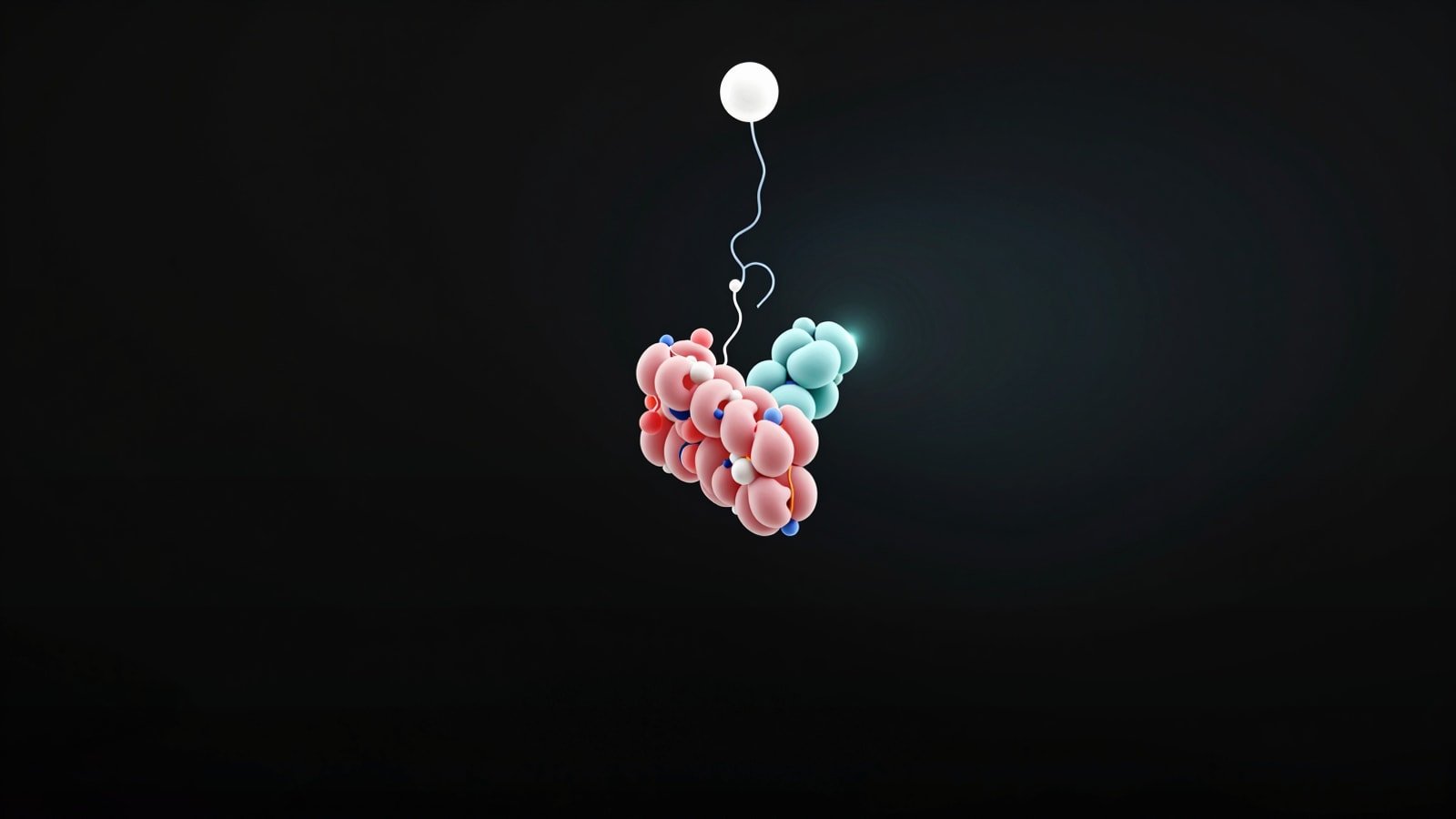
Most viewers do not need every molecular detail. They need the right level of detail presented in the right order. A practical ADC mechanism visualization usually starts with tumor context. That can mean showing heterogeneous cancer cells within a microenvironment then highlighting the target antigen on the intended cell population. Once the audience knows what the ADC is seeking the rest of the mechanism becomes easier to follow.
The next layer is molecular architecture. Show the antibody the linker and the cytotoxic payload as distinct functional components. If the construct includes a cleavable linker or a site specific conjugation strategy make that explicit only if it supports the strategic message. The goal is not to crowd the frame with chemistry. The goal is to help viewers understand why the construct reaches the target and why the payload activates at the intended stage.
After architecture comes progression. Viewers should see binding at the membrane entry into the cell trafficking through endosomal or lysosomal compartments release of the payload then the biological consequence. Depending on the payload class that consequence may be microtubule disruption DNA damage topoisomerase inhibition or another downstream event. This is where an oncology MOA video can either earn trust or lose it. If the sequence feels generic it weakens credibility. If it is tuned to the exact biology it becomes memorable and persuasive.
Teams that already build structural visuals can often reuse that work. For example a receptor view from a protein pipeline can anchor the opening shot before moving into full pathway context. If you want a stronger bridge between structure and story the workflow in PDB to Animation: How to Turn a Structure File Into a Clear 3D Protein Story is a useful starting point.
- Start with disease context before molecular detail
- Separate antibody linker and payload visually so each role is obvious
- Show mechanism as a continuous sequence rather than isolated scenes
How to storyboard an antibody drug conjugate animation that stays accurate
Accuracy starts before design. A storyboard should be built from the claim you need the animation to support. Some teams want to emphasize tumor selectivity. Others need to clarify a novel linker or a bystander effect hypothesis. Some want to explain why a known payload behaves differently on their platform. Each objective changes the visual emphasis. Without that decision the animation becomes a broad overview that says little.
A useful planning framework is to define one primary message one secondary message and one boundary condition. The primary message might be selective delivery to antigen positive tumor cells. The secondary message might be efficient intracellular release. The boundary condition might be that the animation is conceptual and not intended to depict exact quantitative kinetics. This kind of framing protects scientific rigor while keeping the story concise.
From there write the sequence as short scene statements. Example: target cell identified. ADC binds antigen. Complex internalizes. Trafficking reaches lysosome. Linker is cleaved. Payload is released. Payload reaches intracellular target. Cell cycle disruption leads to apoptosis. When written this way gaps become obvious. You can quickly see whether you need a shot that explains target density bystander effect or limited activity in antigen low cells.
If you are also preparing supporting figures or web graphics the animation storyboard should align with those assets. The article Protein Ligand Interaction Visualization: How to Build Clear Figures for Papers and Drug Discovery is useful here because the same rule applies across formats: choose visual details that clarify the mechanism instead of showing everything at once.
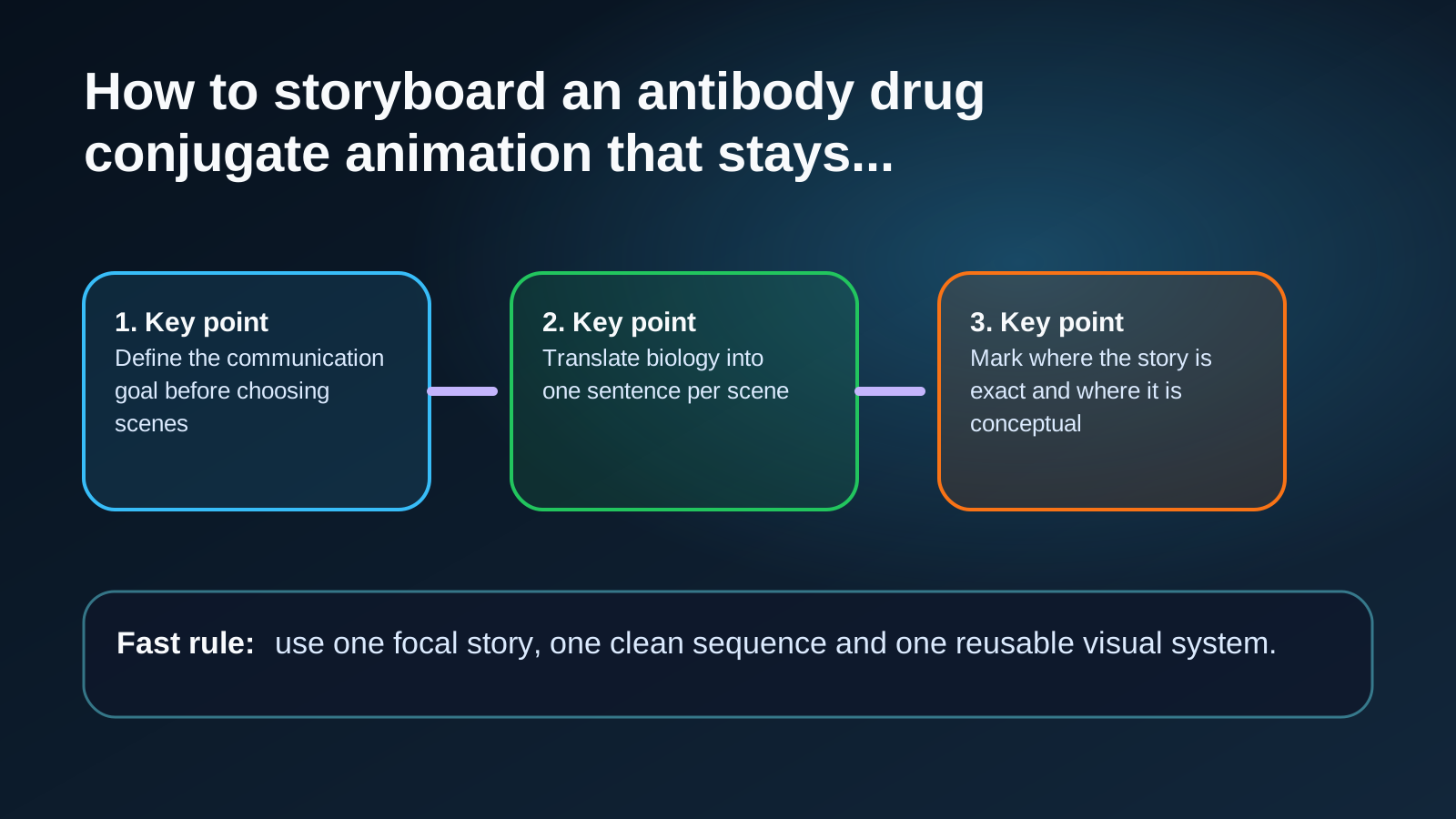
- Define the communication goal before choosing scenes
- Translate biology into one sentence per scene
- Mark where the story is exact and where it is conceptual
Design principles that make ADC scientific illustration easier to follow
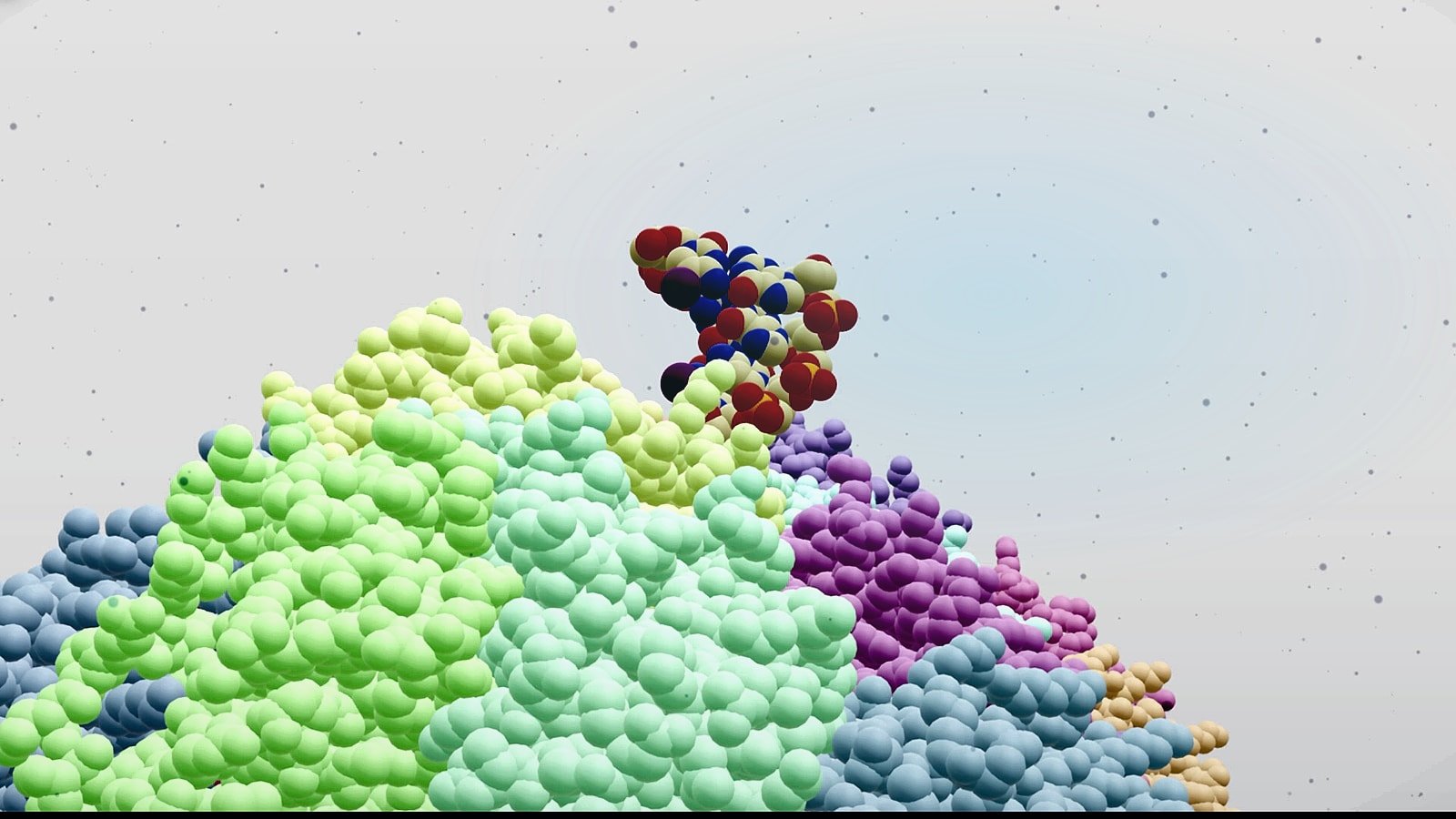
The best ADC scientific illustration work uses restraint. You do not need photorealistic cells in every shot. You need visual hierarchy. Antigen binding should dominate the moment of recognition. Intracellular compartments should become more prominent during trafficking. Payload action should be visually distinct from earlier antibody driven events. This progression helps viewers understand that the therapeutic effect depends on a chain rather than a single interaction.
Color is one of the most effective tools for this. Assign stable colors to the antibody linker payload target antigen and intracellular target. Once the viewer learns those assignments the sequence becomes much easier to parse. Camera movement matters too. Wide shots are useful for biological context while close shots clarify molecular action. Smooth transitions between scales help preserve continuity and reduce the feeling that the animation is jumping between unrelated diagrams.
Labels should be minimal and strategic. Too many labels turn animation into a slide. Too few labels leave non specialist viewers behind. In practice one label per scene or one persistent label for each key component is often enough. Voiceover or captions can carry the rest. For teams building multichannel assets this is important because the same visual sequence may need to work on a conference screen a website landing page or social media cutdown.
If your team is pairing animation with faster static asset production the workflow ideas in AI Scientific Figure Generator: How to Create Publication Ready Figures Faster can help standardize visual language between figures and motion assets. That consistency is often what makes a brand feel scientifically mature rather than improvised.
- Use stable colors for recurring components
- Shift from tissue scale to molecular scale with deliberate transitions
- Keep labels sparse so the mechanism stays readable
Common mistakes in oncology MOA video production
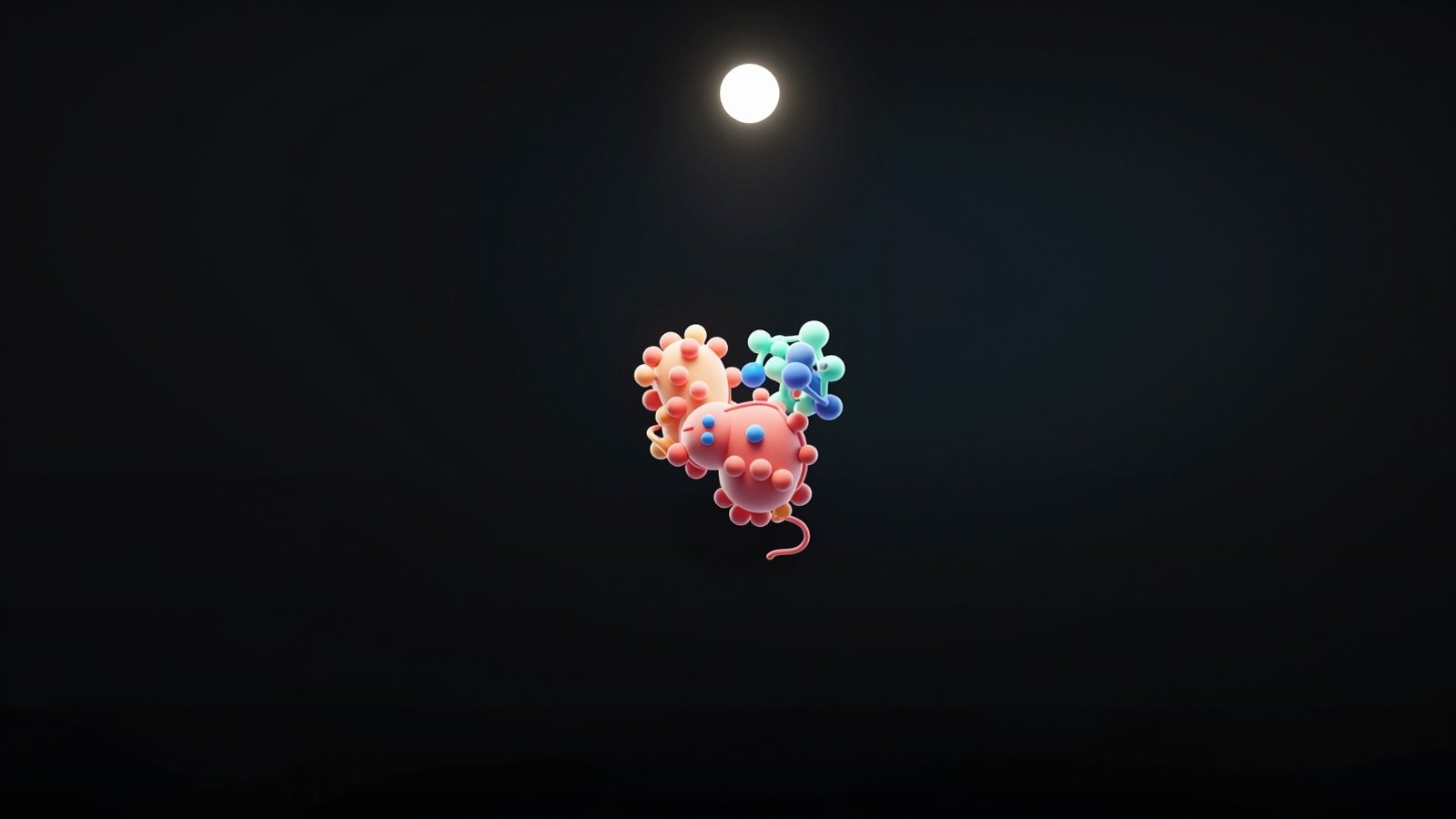
The most common mistake is genericity. Many oncology MOA video assets could describe half the ADC market because they show a floating antibody entering a generic cell then a bright flash that implies efficacy. That may look polished but it does not communicate why your program is distinctive. If your differentiation depends on target biology payload class linker behavior dosing logic or tumor selectivity the animation has to reflect that explicitly.
A second mistake is compressing too much biology into too little time. Teams sometimes try to cover disease burden biomarker logic antibody engineering internalization payload pharmacology clinical relevance and manufacturing quality in one short piece. The result is rushed. It is better to build one core animation around the mechanism then create shorter derivatives for different channels. This keeps the main story coherent and gives marketing teams flexible assets.
A third mistake is ignoring downstream reuse. A high value antibody drug conjugate mechanism of action animation should generate stills loops cropped clips and figure style frames that can support sales decks publications conference booths and web pages. If the production process treats the video as a single isolated deliverable the team loses a large share of the return on effort. The broader content strategy discussed in The Rise of the Video Abstract: Why Your Next Paper Needs a Trailer applies here as well because the strongest science communication assets are modular.
The final mistake is weak review discipline. Every scene should be reviewed by the right subject matter experts. Target biology linker chemistry payload pharmacology and brand messaging may all have different owners. A review matrix saves time because it prevents late stage scientific corrections that force major visual rework.
- Avoid animations that could describe any ADC
- Build for reuse across web decks booths and publications
- Set a review workflow before production starts
A practical production workflow for an ADC MOA animation
A pragmatic workflow begins with a brief that lists audience objective core claims references and constraints. Then move into script and storyboard. Only after those are approved should you invest in detailed style frames or motion production. This sequence sounds obvious but many teams skip ahead to visuals because stakeholders respond strongly to design. The cost is that scientific structure gets decided too late.
During asset development it helps to create a component library. Build the antibody target cell membrane endosomal compartment lysosome payload and intracellular target as reusable elements. This speeds up iteration and makes it easier to create alternate cuts for investor relations medical affairs or conference use. It also gives your team a base for future programs in the same modality.
For leaner teams this process does not need to start with a large agency engagement. The framework in How to Create a Mechanism of Action MOA Animation Without a $20,000 Budget: 2026 Guide shows why scope control matters more than cinematic excess. The goal is clarity and credibility. If those are present the animation can be highly effective without oversized production complexity.
When the animation is part of a larger publication package you can also map scenes into a graphical abstract or poster system. That is especially useful for translational teams preparing congress submissions or journal support materials. A related workflow is outlined in How to Create a 3D Graphical Abstract for Nature and Cell: 2026 Guide.
- Brief first then script then storyboard then motion
- Create reusable biological components for faster iteration
- Design the animation so it can feed other scientific assets
How this content supports biotech marketing sales and scientific communication
A good ADC mechanism visualization does more than explain biology. It shortens onboarding time for new hires supports KOL discussions gives business development teams a shared story and provides marketers with credible content that does not feel oversimplified. That cross functional value is why high performing teams treat mechanism animation as infrastructure rather than decoration.
Commercial teams can use the asset at different levels of granularity. A full length version may work for web or partner presentations. Short loops can support social campaigns booth screens or email nurtures. Stills extracted from the animation can reinforce narrative consistency in decks and one pagers. This kind of modularity is one reason antibody drug conjugate animation performs well in complex therapeutic areas where one format alone rarely meets every communication need.
Scientific teams benefit as well. When a program evolves from preclinical to clinical communication the same visual foundation can be updated instead of rebuilt. New data can change a caption a scene note or a terminal effect while the core story remains stable. That continuity improves brand recognition and scientific confidence over time.
- Supports internal alignment and external storytelling
- Turns one approved narrative into many reusable assets
- Scales from discovery communication to clinical stage messaging
FAQ: Antibody drug conjugate mechanism of action animation
What should an antibody drug conjugate mechanism of action animation include first?
AStart with the biological problem and target context. Viewers need to know what cell type the ADC is seeking before they can understand binding internalization and payload release.
How long should an ADC MOA animation be?
AFor most web and presentation use cases sixty to ninety seconds is a strong range for the core cut. Shorter excerpts can then be exported for campaign use.
How detailed should the science be?
ADetailed enough to support the claim being made but not so detailed that the sequence becomes unreadable. Show the biology that explains differentiation and remove the rest.
Can one animation serve investors researchers and commercial teams?
AYes if the base animation is built modularly. Different voiceovers captions and trims can adapt the same visuals to different audiences.
What makes ADC scientific illustration credible?
AConsistent component design accurate sequence logic clear labeling and expert review at storyboard stage are the main factors.
Is a static figure still useful if you already have motion?
AYes. Static figures and motion work best together. Motion explains progression while stills support rapid scanning documentation and reuse across publications.
- Prioritize sequence clarity over visual density
- Use modular exports for multiple audiences
- Review science early to prevent expensive revisions
CTA: Build your next ADC animation with a clearer process
If your team needs an antibody drug conjugate mechanism of action animation that is scientifically grounded visually clear and reusable across web sales and scientific channels the process matters as much as the final render. Start with the claim define the sequence build a component library and shape the asset for reuse from day one.
Animiotics helps biotech teams turn complex mechanisms into concise visual stories through animation figures and interactive scientific media. If you want a faster path from concept to approved asset you can begin here: Start your project or See how we work.